




Khao Phansa in Thailand: what this holiday is, why it's important, and what tourists need to know
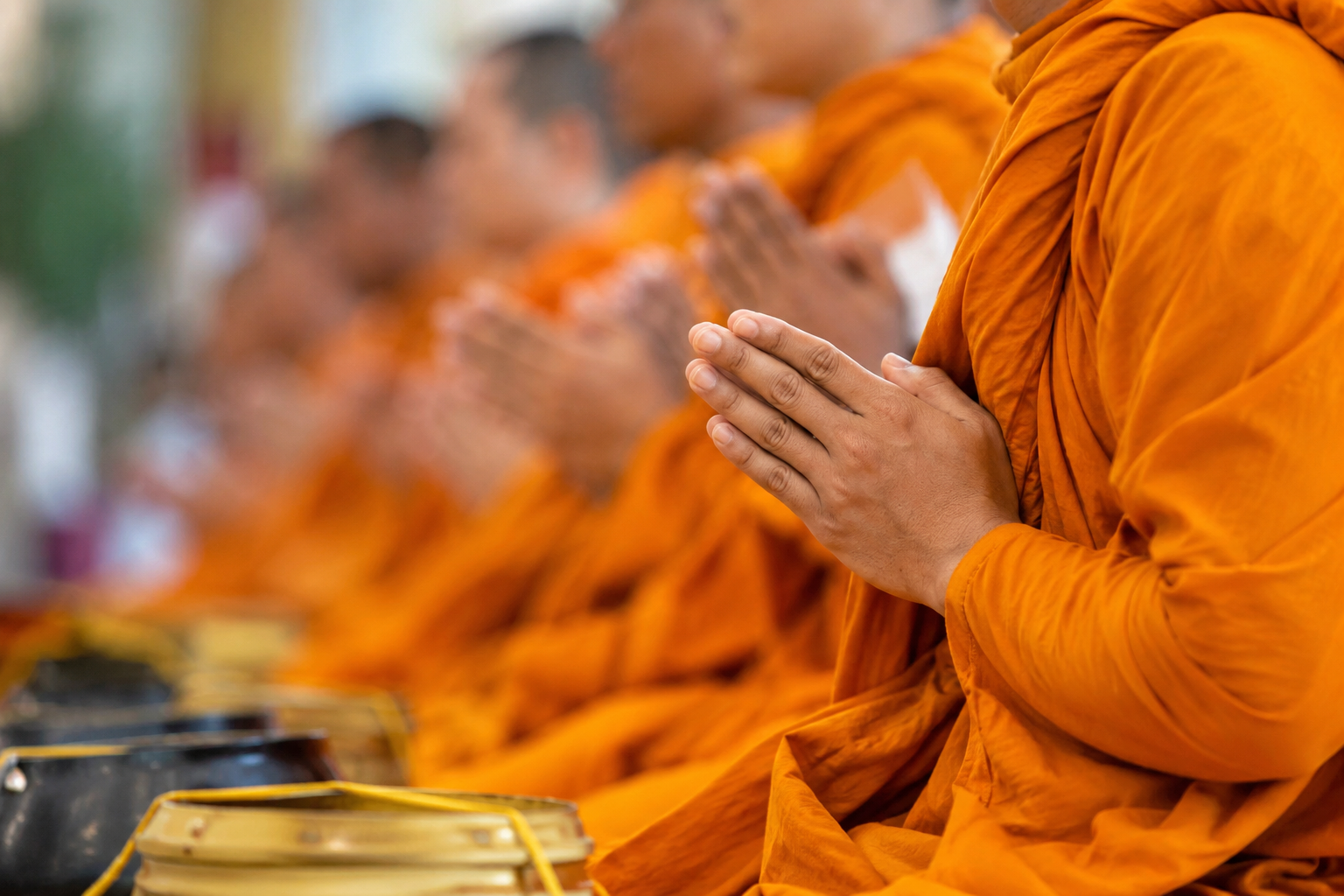
Khao Phansa is one of Thailand's most important religious holidays, marking the beginning of the three-month Buddhist Lent. For millions of Thais, this day holds immense spiritual significance and is considered a time for self-improvement, good deeds, and deepening Buddhist practices.
If Asalha Bucha is dedicated to the Buddha's first sermon, then Khao Phansa opens a special period in the life of Buddhist monks, known as the "rainy season" or Buddhist Lent. This is why these two holidays always follow each other.
Tourists visiting Thailand during this period can witness beautiful religious ceremonies, traditional candlelit processions, and experience one of the most significant aspects of Thai culture.
What Khao Phansa Means
The name "Khao Phansa" translates to "entering the rainy season" or "entering Lent."
The tradition dates back to the time of Buddha himself. More than 2500 years ago, wandering monks constantly traveled throughout India. However, during the monsoon season, such journeys became difficult and could harm agricultural land.
To avoid this, Buddha established a rule that monks should remain in one monastery for three months during the rainy season.
Over time, this practice became an important part of Buddhist tradition and has survived to this day.

When Khao Phansa Is Celebrated
The holiday always falls the day after Asalha Bucha.
In 2026, Khao Phansa will be celebrated on July 30th.
The date changes annually as it is determined by the lunar calendar. The holiday usually falls in July or early August.
What Happens During Buddhist Lent
The Khao Phansa period lasts about three months and concludes with the Ok Phansa festival.
During this time, monks dedicate more time to meditation, studying Buddhist texts, and spiritual practices. Many of them rarely leave the monastery grounds.
For laypeople, this period is also considered a time of spiritual purification. Many Thais abstain from bad habits, alcohol, smoking, or other excesses, and try to visit temples more often and engage in charity.
Some perceive this period as an equivalent to Lent in other world religions.
Candle Offering Ceremony
One of the most famous traditions of Khao Phansa is the offering of large wax candles to temples.
Historically, candles were given to monks to illuminate monasteries during the rainy season when days grew shorter and natural light was insufficient.
Today, in many Thai cities, true works of art are created from wax. Huge carved candles are adorned with figures of Buddha, mythical creatures, and national ornaments.

Particularly large-scale candle festivals take place in Ubon Ratchathani province in the northeast of the country. Every year, thousands of tourists come here to see impressive wax sculptures and festive processions.
How Khao Phansa Is Celebrated in Thailand
From early morning, devotees go to temples with offerings for the monks. These usually include food, essential items, clothing, candles, and donations for the upkeep of the monasteries.
Many temples host sermons, communal prayers, and blessing ceremonies.
In the evening, candlelit processions can be seen, during which devotees circumambulate temple complexes with lit lamps and lotus flowers.
Despite the religious nature of the holiday, the atmosphere is usually very calm and solemn.
Khao Phansa in Phuket
In Phuket, the holiday is celebrated in all major Buddhist temples on the island.
The most famous ceremonies take place at Wat Chalong, which is considered Phuket's main Buddhist temple. Festive events are also held at Wat Khao Rang, Wat Prathong, and Wat Sri Sunthorn temples.
Locals come with their families, make offerings to monks, and participate in religious ceremonies.
For tourists, this is an excellent opportunity to experience authentic Thai culture beyond the beaches and resorts.
Restrictions for Tourists
As on Asalha Bucha Day, restrictions on alcohol sales may be in effect during Khao Phansa.
The ban applies to shops, supermarkets, bars, and many restaurants.
Most tourist attractions continue to operate as usual, but some entertainment venues may close during religious events.
Therefore, travelers are advised to check the operating hours of bars, clubs, and restaurants in advance.
Temporary Monasticism — An Important Thai Tradition
It is during the Khao Phansa period that many Thai men decide to temporarily become monks.
For Thais, this is considered an important life stage and a way to accumulate spiritual merit for themselves and their families.
Some spend several weeks in the monastery, others remain for the entire Lent period.
Even representatives of business, politics, and government structures often temporarily retreat to a monastery during Khao Phansa.
Why Khao Phansa Is Important for Thai Society
Buddhism remains a vital part of Thai culture. Over 90% of the country's population practices Theravada Buddhism, so religious holidays significantly impact daily life.
Khao Phansa reminds Thais of the need for spiritual development, good deeds, and respect for traditions. For many, this period becomes a time for re-evaluating life values and strengthening connections with family and society.
Even in modern Thailand, where tourism and technology are actively developing, the holiday retains its profound meaning and remains one of the most revered events on the Buddhist calendar.
What a Tourist Should See
If your trip to Phuket or other regions of Thailand coincides with Khao Phansa, be sure to visit one of the local temples. Solemn ceremonies, offerings to monks, thousands of candles, and the sincere participation of locals allow for a better understanding of the country's culture than many excursions.
Khao Phansa is an opportunity to see Thailand not only as a popular resort but also as a country with a rich spiritual history, traditions, and deep respect for its Buddhist heritage.
Read also:
Where to swim in Phuket during the rainy season: safe beaches and tips
Best excursions in Phuket in summer 2026 — where to go during the rainy season