









King Rama IX (Bhumibol Adulyadej) — the monarch who transformed Thailand
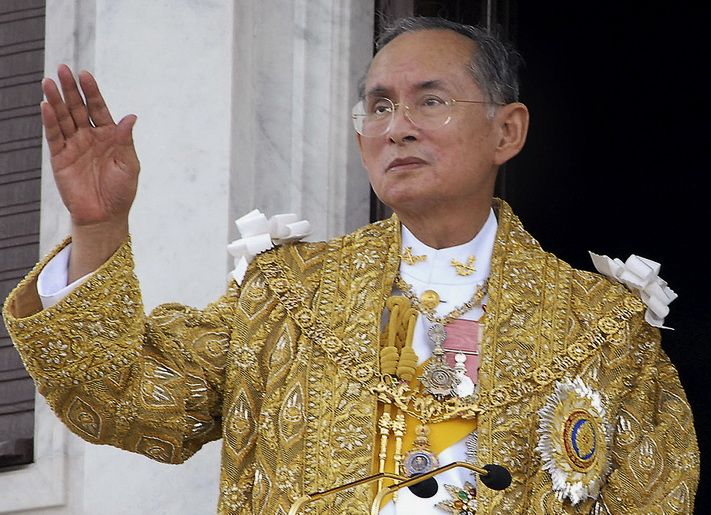
Table of Contents
- Who was King Rama IX?
- Chakri Dynasty and the Future King's Origins
- Childhood between America, Thailand, and Switzerland
- The Mysterious Death of Rama VIII and Unexpected Ascension to the Throne
- The Coronation of Rama IX and the Dawn of a New Era
- Thailand during Rama IX's Reign: Political Crises and the King's Role
- Rama IX on the World Stage: International Politics
- Thailand's Economic Miracle under Rama IX
- Philosophy of Sufficiency Economy
- Thousands of Royal Projects
- The Personality of Rama IX: Musician, Photographer, Engineer, and Inventor
- The Royal Family: Queen Sirikit, Children, and Grandchildren
- Final Years, Illness, and Death
- The Legacy of Rama IX
- Frequently Asked Questions
Thailand cannot be understood without delving into the history of its most revered ruler — King Bhumibol Adulyadej, better known as Rama IX. It was during his reign that the country transformed from a predominantly agrarian state into one of Southeast Asia's largest economies, while preserving its independence, monarchy, and national identity.
Who was King Rama IX?
Rama IX reigned for over 70 years — from June 9, 1946, to October 13, 2016. For decades, he remained the longest-reigning living monarch in the world. For millions of Thais, he was not just a king, but a man who dedicated his entire life to the development of the country. Even years after his death, his portraits adorn government buildings, shops, homes, and cars, and his birthday continues to be celebrated as one of the most important national holidays.
To understand why Rama IX is called the Great and why his name is pronounced with immense respect in Thailand, it is worth learning about his life, family, reforms, and contribution to the nation's development.
Chakri Dynasty and the Future King's Origins
King Bhumibol Adulyadej belonged to the ruling Chakri Dynasty, which has been on the throne of Thailand since 1782. The founder of the dynasty was King Rama I, who moved the capital of the state to Bangkok. Since then, all Thai monarchs officially bear the title of Rama with a sequential number.
The future Rama IX was born on December 5, 1927, not in Thailand, but in Cambridge, Massachusetts (USA). This makes him the only Thai king to have been born on American soil.
His father — Prince Mahidol Adulyadej, son of King Chulalongkorn (Rama V), is considered the founder of modern Thai medicine and healthcare. Despite his royal lineage, he dedicated his life to education and medicine. The Prince studied public health and medicine at Harvard University and the Massachusetts Institute of Technology.

The future king's mother — Srinagarindra, later given the title of Princess Mother, did not come from a royal family. She was born into an ordinary family and, thanks to her abilities, received an education, after which she met Prince Mahidol. She later played a huge role in raising her children and subsequently became one of the most respected women in Thailand.

The family had three children. The eldest was Princess Galyani Vadhana, followed by son Ananda Mahidol, and the youngest was Bhumibol Adulyadej.

No one at the time could have imagined that the youngest child would one day become one of the greatest monarchs in the country's history.
Childhood between America, Thailand, and Switzerland
When Bhumibol was only a few months old, the family returned to Siam (as Thailand was known until 1939). However, a happy childhood was short-lived.

In 1929, when the boy was less than two years old, his father died of kidney disease. The upbringing of the three children fell entirely on their mother's shoulders.
After the political revolution of 1932, absolute monarchy in Siam was abolished and the country became a constitutional monarchy. The political situation remained unstable, so in the mid-1930s, Srinagarindra decided to move with her children to Switzerland.
It was there that almost the entire childhood of the future king passed.

Bhumibol studied in Lausanne, became fluent in French and English, studied humanities and natural sciences, and spent much time on music and photography. His classmates remembered him as a very modest and calm young man who did not seek to stand out among other students.
Later, he entered the University of Lausanne, where he initially studied natural sciences, but after ascending the throne, he changed his major to political science and law to better prepare for future state duties.
Unlike many representatives of royal families worldwide, Bhumibol's youth passed almost without luxury and court etiquette. He drove his own car, was fond of technology, photography, music, and often spent time reading books.

It was European education that largely shaped his future style of rule — pragmatic, calm, and focused on solving the country's practical problems.
The Mysterious Death of Rama VIII and Unexpected Ascension to the Throne
The story of Bhumibol Adulyadej's ascension to the throne is still considered one of the most dramatic in Thai history. The future Rama IX himself never prepared to be king. He grew up in the shadow of his older brother, was educated in Europe, was interested in science, music, and technology, and his life seemed far from state politics.
However, the events of June 1946 forever changed not only his fate but also the future of the entire country.
Who was Rama VIII
After King Rama VII's abdication in 1935, the Thai parliament elected nine-year-old Prince Ananda Mahidol, Bhumibol's elder brother, as the new monarch. He became King Rama VIII.
As the family continued to live in Switzerland, regents effectively governed the state. The young monarch himself only occasionally visited his homeland and spent most of his time studying in Lausanne. Despite his young age, Thais had high hopes for him. After the end of World War II, it was expected that he would finally return to Thailand and personally lead the country.

Tragedy of June 9, 1946
On the morning of June 9, 1946, an event occurred that remains one of the greatest mysteries of modern Thai history.
King Ananda Mahidol was found dead in his bedroom in the Grand Royal Palace in Bangkok. The cause of death was a gunshot wound to the head. His .45 caliber Colt pistol was found nearby.
The news instantly shocked the entire country. The monarch was only twenty years old.
Almost immediately, three main theories emerged regarding what happened:
- The first suggested an accidental discharge while handling the weapon.
- The second pointed to suicide.
- The third indicated murder.
For many years, investigations were conducted, trials were held, and political discussions took place. Ultimately, three courtiers were found guilty and executed in 1955. However, many historians, lawyers, and researchers still believe that the circumstances of Rama VIII's death have not been definitively clarified. No documentary evidence that could conclusively close this chapter of history has ever emerged.
Even today, this topic is considered extremely sensitive in Thailand.
How the Younger Brother Became King
After Ananda's death, the only male heir to the throne was his younger brother — eighteen-year-old Bhumibol Adulyadej (pictured with a camera).

On the same day, Parliament officially proclaimed him the new King of Thailand.
Thus began the reign of a man who would spend more than seventy years on the throne.
Bhumibol himself later admitted that he had never sought power and had not expected such a turn of events. In an instant, a university student became the head of a state undergoing a most difficult period in its history.
Return to Switzerland
Despite his ascension to the throne, the young king did not immediately remain in Bangkok. After the mourning ceremonies, he returned to Switzerland to complete his education at the University of Lausanne.
His studies were now completely transformed.
While he had previously studied natural sciences, after ascending the throne, he focused on political science, law, public administration, and economics. The young monarch understood that one day he would have to make decisions that would affect the fate of millions of people.

During these years, he studied European models of public administration, economic development, and the functioning of democratic institutions. Later, many of the ideas he observed in Europe were reflected in his own projects for Thailand's development.
Car Accident That Changed His Life
In the autumn of 1948, another tragedy struck. While driving on a road between Lausanne and Geneva, the car Bhumibol was driving collided with a truck.
The King sustained severe injuries. The most serious consequence was damage to his right eye. Despite the efforts of doctors, his vision could not be fully restored.
This is why, in almost all official photographs of the following decades, Rama IX appears wearing glasses. Many Thais were unaware that this was not due to age, but to the consequences of a car accident that occurred in his youth.
Despite a difficult recovery, he continued his studies and preparation for his future reign.
Love That Began in the Hospital
It was after this accident that a meeting occurred that changed his personal life.
During his treatment, the young king was often visited by the family of the Thai ambassador to France. Young Sirikit Kitiyakara accompanied them.
Feelings gradually developed between the young people.
Subsequently, this story would become the beginning of one of the most famous royal unions of the 20th century.

The Young King and Immense Responsibility
When Bhumibol ascended the throne, Thailand was in an extremely difficult position. The country had experienced the 1932 revolution, lost its absolute monarchy, went through a period of military influence on politics, endured the consequences of World War II, and was searching for its place in a rapidly changing world. The young monarch had to prove not only to his subjects but also to the political elites that the institution of monarchy remained an important part of the state. No one at the time could have predicted that this calm, modest young man would become the most respected Thai king in the country's modern history and one of the most renowned monarchs in the world.
The Coronation of Rama IX and the Dawn of a New Era
Although Bhumibol Adulyadej officially became King of Thailand on June 9, 1946, his full ascension to office only took place several years later. The young monarch decided to complete his education in Switzerland and only then fully devote himself to state duties.
This period proved to be very important for both the King himself and the country. Thailand was gradually recovering after World War II, the political system was changing, and the role of the monarchy still needed to be defined under the new circumstances.
Marriage to Sirikit Kitiyakara
After the car accident in Switzerland, the relationship between Bhumibol and Sirikit Kitiyakara developed very quickly.
Sirikit was born on August 12, 1932, to Prince Nakhatra Mangkhala Kitiyakara, who held diplomatic posts abroad. Her mother came from one of the country's oldest aristocratic families.

Thanks to her father's diplomatic work, Sirikit was educated in France, Great Britain, Denmark, and Switzerland, was fluent in several foreign languages, and had an excellent understanding of European culture.
Their engagement was announced in 1949.
The wedding took place on April 28, 1950, in Bangkok. A few days later, Sirikit officially received the title of Queen of Thailand.

Throughout the next sixty-six years, the couple almost always appeared together during state visits, ceremonies, and trips around the country. For many Thais, their family became a symbol of national stability.
Coronation
The official coronation ceremony took place on May 5, 1950, at the Grand Palace in Bangkok.
The Thai coronation differs significantly from European traditions. It is not only a state ceremony but also a complex religious ritual, combining ancient Hindu and Buddhist rites, many of which have existed for centuries.

During the ceremony, the future monarch undergoes purification with sacred water collected from various regions of the country. After this, the main symbols of royal power are presented to him.
Among them, a special place is occupied by the Great Crown of Victory, made of gold and adorned with precious stones. Its weight exceeds seven kilograms, so Thai monarchs usually wear it only for a short time during the official ceremony.
The king also receives a royal sword, scepter, fan, golden slippers, and other historical regalia, each symbolizing specific duties of the monarch.
It was after the ceremony that Bhumibol uttered words that later became one of the symbols of his reign:
"We will reign with righteousness for the benefit and happiness of the Siamese people."
This phrase was later repeatedly quoted in state documents, school textbooks, and the media.
First Years on the Throne
Having received the full extent of royal powers, Bhumibol immediately began to change the traditional image of the Thai monarch. Before him, most kings very rarely left the palace.
Rama IX acted completely differently. He began to travel regularly throughout the country. And not only to major cities, but also to the most remote villages, mountainous northern regions, swampy areas of the central part of the country, and small island communities.
In the 1950s, such trips were a real challenge, as many areas lacked paved roads. Some villages could only be reached on foot, horseback, by boat, or helicopter.
Nevertheless, the King personally visited even the most remote settlements.

Why He Traveled to Villages
Today, such trips might seem commonplace, but for Thailand in the mid-20th century, it was a revolution. For the first time, residents of remote provinces saw their monarch not in photographs, but in person.
Rama IX never limited himself to official ceremonies. He talked with farmers, fishermen, doctors, school teachers, Buddhist monks, and local officials. He listened intently to stories about problems with water, crops, roads, education, and medicine. Almost always, maps, notebooks, and a camera were by his side. The King constantly took notes, photographed the area, and asked specialists a huge number of questions.
That is how thousands of royal rural development projects came into being.
The King with a camera
If you look at photographs from the second half of the 20th century, it's easy to notice one detail: King Rama IX almost always had a camera hanging around his neck.
Photography was not just a hobby. He used it as a working tool. During each trip, the King documented the condition of rivers, forests, fields, roads, canals, and villages. Later, the photographs were studied by engineers, architects, agronomists, and government agencies.

This is how decisions were made regarding the construction of dams, roads, schools, hospitals, and irrigation systems. Over decades of his reign, Rama IX took tens of thousands of photographs, many of which are now stored in state archives.
A Monarch Who Wasn't Afraid to Get His Shoes Dirty
One of the reasons for the incredible love of Thais for Rama IX was his attitude towards ordinary people. During his trips, he often walked through rice fields, climbed to mountain villages, crossed rivers, and spent long hours under the scorching sun alongside local residents.

Photographs showing the King sitting on the ground next to farmers, examining maps right on the hood of a car, or discussing canal construction with engineers in rubber boots became symbols of his reign.
Such behavior sharply contrasted with the image of most world monarchs of that time.

For millions of Thais, he became a person who truly sought to understand how the country lived outside of Bangkok.
Birth of Heirs
Bhumibol Adulyadej and Queen Sirikit had four children.
The first was Princess Ubolratana Rajakanya, born in 1951. A year later, their only son was born, Prince Maha Vajiralongkorn, who would later become the current King of Thailand, Rama X. In 1955, Princess Maha Chakri Sirindhorn was born, who remains one of the most beloved members of the royal family among Thais today thanks to her scientific, educational, and charitable activities. The youngest was Princess Chulabhorn, born in 1957. She was educated in natural sciences and became a renowned scientist, dedicating her life to research in chemistry, medicine, and public health.

Each of the children later took on their own state and public duties, but it was Maha Vajiralongkorn who was officially declared heir to the throne.
Thailand during Rama IX's Reign: Political Crises and the King's Role
When Bhumibol Adulyadej ascended the throne, Thailand was no longer an absolute monarchy. After the 1932 revolution, the country officially became a constitutional monarchy, with executive power held by the government. Formally, the King was supposed to be outside of politics, but in practice, it was during Rama IX's reign that a unique model of Thai statehood emerged, where the monarch did not rule the country directly but remained the main moral authority and symbol of national unity.
During his seventy-year reign, Thailand saw dozens of prime ministers, numerous military coups, mass protests, economic crises, and political conflicts. Despite this, the institution of the monarchy itself maintained a high level of public trust.
Why there were so many coups in Thailand
For foreigners, it often comes as a surprise that modern Thailand is considered one of the countries with the highest number of military coups in the 20th and 21st centuries.
After the abolition of absolute monarchy in 1932, the army gradually became one of the most influential political forces in the state. The military repeatedly came to power, explaining their actions by the need to restore order, fight corruption, or prevent political crisis.
During Rama IX's reign, there were more than ten successful and unsuccessful attempts at coups.
However, it is important to understand one feature of the Thai political system. Despite changes in governments, constitutions, and military regimes, the monarchy itself remained an almost immutable institution around which society united.

That is why most coups did not occur against the King, but while preserving his status as head of state.
Constitutional monarch with immense moral authority
According to the Constitution of Thailand, the King does not lead the government, does not unilaterally enact laws, and does not interfere in the day-to-day administration of the country.
However, the Constitution grants the monarch a special position. The King is the head of state, the supreme patron of Buddhism, the commander-in-chief of the armed forces, and the symbol of national unity.
Under Rama IX, this status gained exceptional significance.
Over decades of traveling the country, meeting with residents, implementing thousands of social projects, and personally participating in provincial development, he earned immense public trust. Many Thais perceived him not so much as a statesman, but as a person genuinely concerned about the fate of every region.

Therefore, in moments of serious crises, it was to the King that people turned as a last resort, capable of reconciling opposing sides.
The Political Crisis of 1973
One of the first serious challenges was the popular uprising in October 1973.
Thousands of students and Bangkok residents took to the streets demanding democratic reforms and the resignation of the military government. Protests quickly escalated into clashes with the army. There were fatalities and hundreds injured in the capital.

The situation threatened to escalate into a full-scale civil confrontation.
It was then that Rama IX intervened.
The King allowed demonstrators to take refuge in the Chitralada Palace grounds and effectively signaled to the military leadership that further use of force was unacceptable.

After this, the then-Prime Minister, Thanom Kittikachorn, left the country.
This episode was one of the first instances where the King's influence helped prevent further bloodshed.
The Tragedy of 1976
However, just three years later, the political situation sharply escalated again.
On October 6, 1976, one of the most tragic events in modern Thai history occurred in Bangkok—the Thammasat University massacre of students. During the suppression of protests, dozens were killed, and hundreds were injured and arrested.

Later, the army carried out another coup.
Historians still actively debate the role of various political forces in these events, but one thing is clear: the country was going through one of the most difficult periods in its modern history.
For Rama IX, this served as a reminder of how fragile social peace can be. In subsequent decades, he increasingly made public appeals, calling for mutual respect, rejection of violence, and the search for compromises.
May 1992 - A Moment That Changed Modern Thailand
The most famous episode of political history during Rama IX's reign was the events of May 1992, known as "Black May."
After another military coup, General Suchinda Kraprayoon became prime minister, despite promising not to claim the position.
This triggered mass protests. Tens of thousands of people took to the streets of Bangkok.

The army opened fire on demonstrators, killing and injuring dozens. The country was again on the verge of a large-scale conflict. It was then that a scene occurred that became one of the most famous photographs in modern Thai history.
Prime Minister Suchinda Kraprayoon and the leader of the protest movement, retired General Chamlong Srimuang, were invited to the palace.
Both men knelt before the King.

Rama IX addressed them calmly, yet very sternly.
He stated that further confrontation would only bring suffering to the country and called for an immediate end to the violence. This meeting was televised nationwide.
Within a few days, the protests ceased, the prime minister resigned, and the political crisis gradually began to resolve. For millions of Thais, this moment solidified the image of Rama IX as a person capable of stopping the country on the brink of civil conflict.
The Economic Crisis of 1997
Another serious challenge was the Asian financial crisis of 1997.
Thailand was the first country in the region to experience the collapse of its national currency, the baht. Mass bankruptcies of companies began. Thousands of people lost their jobs. Many families lost their homes and savings.
Although economic matters were handled by the government, it was during this period that Rama IX particularly actively began to speak about the need for rational consumption, sustainable development, and reducing excessive reliance on external factors.

It was then that his philosophy of "Sufficiency Economy" gained wide recognition, later becoming one of the most important concepts for the development of modern Thailand.
Military coups of the 21st century
Even in Rama IX's later years, the political situation remained difficult.
The military again came to power in 2006 and 2014.

During each crisis, society closely watched the King's reaction.
Due to age and deteriorating health, he made public appearances significantly less often, but the very existence of the monarchy continued to be a factor of political stability.

Even opponents of various political forces almost never questioned the personal authority of Rama IX.
Why his influence was so great
Historians believe that the secret to Bhumibol Adulyadej's influence lay not in formal powers.
Over seven decades, he managed to create a unique image of a monarch who was not associated with any single party, military group, or political movement. He was constantly among the people, personally visiting provinces, taking an interest in the lives of farmers, fishermen, doctors, teachers, and engineers. For millions of the country's inhabitants, he became not so much a statesman as a person genuinely concerned about the fate of each region.
That is why, even in the most difficult moments of Thai history, his word was perceived as a call for peace, not as a political statement. By the time of his seventieth anniversary of rule, Rama IX was not just Thailand's longest-reigning monarch. He had become a symbol of the state, without whom the modern history of the country is almost impossible to imagine.
Rama IX on the world stage: international politics
The name of Bhumibol Adulyadej is known far beyond Thailand. Over seventy years of his reign, he became one of the most recognized monarchs in the world and personally met with almost all major world leaders of the second half of the 20th century. However, his role in international politics was significantly deeper than participating in state visits and diplomatic receptions.
Under Rama IX, Thailand managed to maintain an independent foreign policy, survive the Cold War, avoid involvement in armed conflicts in neighboring countries, and become one of the most stable states in Southeast Asia.
The world after World War II
When Rama IX ascended the throne, the world was just recovering from World War II.
The confrontation between the United States and the Soviet Union, later known as the Cold War, was beginning.
Southeast Asia became one of the main regions of this confrontation. Events that would forever change the map of the world were unfolding nearby.
In Vietnam, a war for independence began, followed by a full-scale war between North and South.
In China, the Communist Revolution was victorious.
In Laos and Cambodia, armed conflicts continued for decades.
Neighboring Myanmar experienced civil wars.
Thailand found itself literally surrounded by unstable states.
It was during this period that the Thai leadership faced the most difficult task: to preserve the country's security and prevent Thailand from becoming another arena for a major international conflict.
Relations with the United States
In the second half of the 20th century, the United States became one of Thailand's most important allies.
This was due not only to economic interests but also to the general US strategy of containing the spread of communism in Asia.
In 1954, Thailand joined SEATO - a military alliance created with the active support of the United States.

During the Vietnam War, American military bases and airfields used by US aviation were located in Thailand.
Despite close cooperation, Rama IX himself tried to maintain the image of a monarch who stood above international political confrontations. He rarely made loud political statements and paid much more attention to the country's internal development.
State visits
During his reign, Rama IX made dozens of official foreign trips.
The first two decades after his coronation were particularly active.

King and Queen Sirikit visited most countries in Europe, North America, and Asia.
They were received by:
- Queen Elizabeth II of Great Britain,
- Emperor Hirohito of Japan,
- US President Dwight D. Eisenhower,
- French President Charles de Gaulle,
- leaders of Germany, Italy, the Netherlands, Belgium, Denmark, Sweden, and many other states.
These visits were extremely important for Thailand.

The country gradually ceased to be perceived as an exotic state in Southeast Asia and became a full participant in world diplomacy.
Particular attention during foreign trips was paid to the development of trade, investments, education, and cultural cooperation.
Relations with Japan
After World War II, Japan very quickly became one of the world's leading economies. For Thailand, Japanese investments became one of the most important factors in industrial development.
In the second half of the 20th century, Japanese companies began actively opening enterprises in Thailand. Automobile factories for Toyota, Honda, Nissan, Mitsubishi, Isuzu, and many other manufacturers appeared.

Gradually, the country became the largest automotive manufacturing center in Southeast Asia. Rama IX paid great attention to developing relations with Japan. Regular meetings between representatives of the Japanese imperial family and the Thai monarchy contributed to strengthening cooperation in several areas – from industry to education.
Today, Japan remains one of the largest foreign investors in Thailand, and the foundations of this relationship were laid precisely during the reign of Rama IX.
Relations with China
Another important direction of foreign policy was the development of relations with the People's Republic of China. After the establishment of diplomatic relations in 1975, cooperation between the countries began to expand rapidly.
Despite the ideological differences of the Cold War period, Thailand gradually became one of China's key partners in the region. The numerous Chinese community living in Thailand also played a large role.

Today, it is believed that a significant part of the country's population has Chinese roots, and Chinese culture has had a huge impact on the development of trade, entrepreneurship, and the urban economy.
Rama IX supported the development of relations with Beijing, viewing China primarily as an important economic partner.


Why Thailand Was Never Colonized
One of the main features of Thailand's history is that it is the only country in Southeast Asia that managed to maintain its independence and avoid colonial rule by European powers. While neighboring states fell under the control of Great Britain, France, the Netherlands, Spain, or Portugal, the Kingdom of Siam managed to preserve its sovereignty thanks to the far-sighted policy of the Chakri dynasty rulers.
The foundations of this independence were laid in the second half of the 19th century during the reign of King Chulalongkorn (Rama V).

The large-scale reforms he carried out in state administration, the army, education, the judicial system, and the economy strengthened the country's position on the international stage. Flexible diplomacy played an equally important role: Siam skillfully balanced between the interests of the British Empire, which controlled Burma and Malaya, and France, which owned Indochina, acting as a kind of buffer state between the two colonial powers.
Although all these events occurred long before Rama IX ascended the throne, it was during his reign that Thailand managed to maintain this foreign policy course in the context of the Cold War. Bhumibol Adulyadej pursued a pragmatic policy aimed at developing relations with various states, avoiding excessive dependence on any single world power center. Despite internal political crises and the complex international situation of the second half of the 20th century, Thailand maintained state stability, continued its independent development, and strengthened its position as one of the key states in Southeast Asia.


Thailand's Economic Miracle under Rama IX
When Bhumibol Adulyadej became king in 1946, Thailand was primarily an agricultural country. The majority of the population lived in villages, the economy depended on rice cultivation, income levels remained low, and infrastructure outside Bangkok was poorly developed. Many regions lacked quality roads, water supply systems, electricity, modern schools, and hospitals.
By the time Rama IX died in 2016, Thailand was already among the largest economies in Southeast Asia, had become one of the world leaders in the export of several industrial goods, and welcomed tens of millions of tourists annually.
Of course, such large-scale changes were the result of the work of many governments, state institutions, entrepreneurs, and millions of the country's residents. However, the king himself played an important role in shaping the long-term development course of the state. He never directly managed the economy, but his ideas, projects, and personal involvement in regional development significantly influenced modern Thailand.
What Thailand Was Like After the War
In the second half of the 1940s, the country's economy remained predominantly agrarian. The main source of income was agriculture, and the main export commodity was rice.
Most farmers used traditional methods of land cultivation. Yields were highly dependent on the rainy season, and droughts and floods regularly led to crop loss. In some provinces, people had to travel dozens of kilometers to reach the nearest hospital or school.

It was during his trips across the country that the young king first saw the real problems of rural areas. He concluded that Thailand's development was impossible without improving the quality of life of ordinary people living away from the capital.
Infrastructure as the Foundation of Development
One of the main changes in the second half of the 20th century was the large-scale development of infrastructure.

With state support, new roads, bridges, power lines, water supply systems, and irrigation facilities were built. Many areas that were previously virtually isolated gained year-round transport links.

The king personally visited construction sites, studied dam, canal, and reservoir projects, and discussed technical solutions with engineers and hydrologists.
Particular attention was paid to those regions that had previously remained the least developed.
In Rama IX's opinion, the economic development of the country should take place not only in Bangkok but also in rural areas.
Revolution in Agriculture
Perhaps agriculture was the sphere to which Rama IX paid the most attention.
He was convinced that the prosperity of the country begins with the prosperity of farmers.
During his travels, the king was not limited to official meetings. He spent hours talking to peasants, finding out why they were losing crops, what knowledge they lacked, why fields were drying up, and what crops were best suited for a particular region.
As a result, hundreds of research projects emerged, dedicated to new rice varieties, combating soil erosion, rational water use, and cultivating alternative agricultural crops.

In many areas, demonstration farms were established where specialists showcased modern agricultural methods.
Special attention was paid to preserving soil fertility and reducing farmers' dependence on weather conditions.


Tourism as an Economic Driver


Healthcare Development
One of the most important directions of Thailand's development during the reign of Rama IX was the improvement of the healthcare system. This work was largely a continuation of his father's legacy — Prince Mahidol Adulyadej, who is respectfully called the "Father of Modern Medicine in Thailand" in the country. Having received medical education abroad, Prince Mahidol made a huge contribution to reforming Thai medical education and training doctors, and his ideas greatly influenced the further development of healthcare in the country.
Continuing this legacy, Rama IX paid special attention to increasing the accessibility of medical care for all residents of the country, regardless of their place of residence. During his reign, new hospitals, medical centers, and rural clinics were built throughout Thailand, the network of primary healthcare institutions expanded, and state programs were aimed at combating infectious diseases, mass vaccination, and improving the quality of medical services in the most remote areas of the kingdom.
Numerous royal projects played a special role, thanks to which residents of rural provinces gained access to qualified medical care, preventive examinations, and modern treatment methods. The development of the healthcare system, along with improved education and infrastructure, became one of the factors in increasing the life expectancy and quality of life for millions of Thais, and also laid a solid foundation for the formation of Thailand's modern medical system, which is now considered one of the best in Southeast Asia.
Economic Growth Without Loss of National Identity
In the second half of the 20th century, many developing countries rapidly modernized but simultaneously faced a loss of traditional culture.
Rama IX repeatedly emphasized that economic development should not come at the expense of destroying historical heritage. That is why in Thailand, modern factories were built simultaneously with the preservation of ancient temples, new technologies were developed while traditional crafts were supported, industrial zones were created while national parks were expanded.
This approach allowed the country to maintain its cultural identity even in the context of globalization.
What the King Himself Said About the Economy
Unlike many politicians, Rama IX rarely spoke about high GDP growth rates or international rankings. Much more often, he spoke about something else. In his opinion, the main goal of state development should not be maximum wealth, but the sustainability of society. He believed that the economy should help people live with dignity, not create dependence on constant consumption and external factors.
It was from these views that one of the most famous philosophical concepts of modern Thailand gradually emerged — the "Sufficiency Economy Philosophy", which later became part of the national development strategy and gained international recognition.
The Philosophy of the Sufficiency Economy
If you ask the people of Thailand what the main intellectual legacy Rama IX left behind, many will unhesitatingly answer: Sufficiency Economy Philosophy.
For foreigners, this concept often seems unusual. In an era when most states strive for maximum economic growth, increased consumption, and constant production expansion, the Thai king offered a completely different view on the development of society.
It is important to understand that the philosophy of the sufficiency economy does not advocate abandoning business, industry, or modern technology. It does not oppose wealth and entrepreneurship. On the contrary, its main idea is that development should be sustainable, reasonable, and take into account the long-term consequences of decisions made.
Today, this concept is studied by almost all schoolchildren in Thailand, used by government agencies, and considered one of the foundations of the national development strategy.
How This Idea Came About
Rama IX began to formulate the first elements of the philosophy as early as the 1970s during numerous trips to rural areas of the country.
The King saw the same problem in almost all provinces.
After several successful seasons, farmers took out large loans, bought expensive machinery, expanded their farms, and then a single drought or flood would lead them to complete ruin.

This situation repeated itself over and over.
According to Rama IX, the cause was not only natural conditions but also a lack of financial stability. He concluded that development should occur gradually, without excessive debt and dependence on factors that cannot be controlled.
These ideas later formed the basis of the Sufficiency Economy Philosophy.
Three Main Principles
Although the concept itself is quite extensive, it is based on three interconnected principles.
The first is moderation.
This is not about poverty or renouncing well-being. The King spoke of the need to avoid extremes. In his opinion, the pursuit of constant consumption and excessive growth can make a person, a company, or even an entire state vulnerable to crises.
The second principle is reasonableness.
Any decision should be made after analyzing the possible consequences. This applies to family budgets, the construction of large enterprises, and national economic policy.
The third principle is resilience and readiness for risks.
The economy must be able to withstand crises, natural disasters, changes in global markets, and political instability.
This is why Rama IX constantly emphasized the importance of creating reserves, diversifying income, and wisely managing resources.
The Foundation of the Philosophy — Knowledge and Morality
The King himself repeatedly noted that the three principles listed are not enough.
They work only when a person has knowledge and is guided by moral principles.
Therefore, the Sufficiency Economy philosophy is closely linked to education, responsibility, honesty, and respect for others.
According to Rama IX, no economic model can ensure long-term well-being if decisions are made solely for short-term gain.
Why the Philosophy Became Particularly Well-Known After the 1997 Crisis
Before the Asian financial crisis of 1997, many perceived Rama IX's ideas more as philosophical reflections.
However, the events of the late 1990s forced a different perspective.
In July 1997, Thailand found itself at the epicenter of the largest financial crisis in modern Asian history. After years of rapid growth, the economy faced a sharp depreciation of the national currency, mass bankruptcies of companies, and rising unemployment. Many businesses actively borrowed in foreign currency, anticipating continued economic growth. When the situation changed, a significant portion of businesses were unprepared for the new conditions.
Against this backdrop, Rama IX's words about the need for moderation, caution, and financial stability took on a whole new meaning.
After the crisis, the Sufficiency Economy philosophy became one of the key ideas for the country's long-term development.
Application in Agriculture
Rama IX's ideas were most clearly manifested in agriculture.
The King did not believe it was right for a farmer to be completely dependent on a single crop.

If a family's entire income relies solely on rice cultivation, a drought, flood, or a drop in global prices can leave people without a livelihood.
Therefore, many royal projects recommended combining the cultivation of various crops, fish farming, horticulture, and livestock breeding. This approach allowed families to have multiple sources of income and to cope more easily with unfavorable years.
This model is still used in many areas of Thailand today.
Sufficiency Economy and Business
It is mistaken to think that Rama IX's philosophy applies exclusively to villages.
Later, its principles began to be applied by large companies as well. This involved more responsible financial management, avoiding excessive risks, long-term planning, and corporate social responsibility.
In many Thai corporations, the ideas of Sufficiency Economy are used as part of their corporate culture.
International Recognition
Over time, the concept attracted attention far beyond Thailand.
The United Nations and several international organizations viewed Rama IX's philosophy as an example of sustainable development, combining economic growth, environmental protection, and social responsibility.
The idea of finding a balance between economic development and the preservation of natural resources was particularly highly praised.

For a country where a significant portion of its territory relies on agriculture and tourism, this approach proved especially relevant.
Why This Philosophy Remains Relevant Today
After the death of Rama IX, the Sufficiency Economy philosophy did not disappear.
On the contrary, it was incorporated into Thailand's national development strategies and continues to be used in the development of long-term programs. Its principles are reflected in projects for rural development, environmental protection, support for small businesses, rational use of natural resources, and sustainable urban development.
Today in Thailand, it is difficult to find a schoolchild who has not heard of the Sufficiency Economy philosophy. It is studied in educational institutions, discussed in universities, and remains an important part of public life.
Thousands of Royal Projects: How Rama IX Changed Thailand
If there is a reason why Rama IX is loved in Thailand not only as a monarch but also as a person, it lies in his daily work. During his reign, Bhumibol Adulyadej initiated more than four thousand Royal Development Projects, covering almost all provinces of the country.
It is important to understand that most of these projects were not massive government constructions costing billions of dollars. Many started with a small village, a drying stream, a damaged road, or a farm experiencing crop problems.
The King did not limit himself to signing documents. He personally visited project sites, spoke with local residents, studied maps of the area, took photographs, drew diagrams, and discussed engineering solutions with specialists. This is why Thais often call him "the king who never stopped working".

The Engineer King
Although Bhumibol Adulyadej did not have an engineering degree, specialists noted his deep knowledge in hydrology, agriculture, cartography, and natural resource management.
During his trips across the country, he was almost always seen with large maps, binoculars, a camera, pencils, and measuring instruments.

He meticulously studied the terrain, river flows, forest conditions, and soil characteristics.
In many cases, solutions for future projects emerged directly during his trips. Engineers recalled that the King often sketched canals, dams, and reservoirs himself, after which specialists would turn his ideas into full-fledged engineering projects.
Water as the Country's Main Resource
Perhaps no other area received as much attention from Rama IX as water resource management. He was convinced that water was the foundation of Thailand's well-being, as its availability directly influenced agriculture, which for decades remained the primary source of income for millions of the country's inhabitants.
The climate of Thailand is unique in that the country faces two opposing natural challenges annually. During the rainy season, many provinces suffer from widespread flooding that destroys homes, roads, and agricultural lands, while during the dry season, some regions experience severe water shortages. Rama IX believed that these problems could not be addressed separately, so he advocated for the creation of a unified water resource management system capable of simultaneously protecting the country from floods and providing the population with water during the dry season.
At the King's initiative, thousands of hydraulic structures of various scales were built across the country: dams, reservoirs, tanks, canals, pumping stations, and rainwater harvesting systems. Some projects provided water to small villages and individual farms, while others covered entire provinces and allowed for the redistribution of water resources between different regions depending on the season and weather conditions.

Thanks to the creation of modern irrigation infrastructure, many farmers gained the ability to consistently cultivate crops even in dry years, and in some areas, to harvest two or three crops a year instead of one. Many hydraulic structures built as part of royal projects decades ago continue to function successfully today, remaining one of Rama IX's most significant and enduring legacies.

Flood Control
While prolonged droughts posed one of the main threats to Thailand's agriculture, during the monsoon season, the country regularly faced the opposite problem—widespread flooding. The central provinces and Bangkok, located in the low-lying Chao Phraya River Delta, were particularly affected. Heavy rains caused rivers to overflow, inundating residential areas, agricultural lands, and transport infrastructure, inflicting significant damage on the country's economy.

Rama IX was convinced that effective flood protection required a comprehensive approach. At his initiative, canals, drainage systems, sluices, pumping stations, and special reservoirs designed for temporary storage of excess water during the rainy season were built across the country. However, the King repeatedly emphasized that the problem could not be solved solely by building large dams. In his opinion, each river and region has its own natural characteristics, so when developing engineering solutions, it is necessary to consider the terrain, the nature of river flow, seasonal fluctuations in water levels, and climatic conditions.
That is why many hydraulic engineering projects were created individually for specific regions of the country. This approach significantly increased the efficiency of the water resource management system, reduced the impact of seasonal floods, and simultaneously allowed the accumulated water to be used for agricultural needs during the dry season. Thanks to these solutions, many projects developed under Rama IX continue to play an important role in protecting Thailand from floods today.
The "Monkey's Cheek" Project
One of Rama IX's most renowned engineering ideas was the concept of "Kaem Ling", which translates to "Monkey's Cheek".
The name is inspired by observing monkeys. When a monkey finds a lot of food, it stores some of it in its cheeks to eat later.
The King proposed using a similar principle for water management.

During heavy rains, excess water is directed into special reservoirs, natural lowlands, ponds, and canals, where it is temporarily accumulated. After the rainy season ends, this water is gradually used for agriculture and domestic needs.
Today, similar systems are widely used in various regions of Thailand and are considered one of the most effective ways to reduce the risk of flooding.
Development of Mountainous Areas
Rama IX paid special attention to the development of the northern and northwestern mountainous regions of Thailand, which in the mid-20th century remained among the poorest and most inaccessible areas of the country. These regions were home to numerous ethnic communities, including the Hmong, Karen, Lisu, Akha, Lahu, and other highland peoples, many of whom had lived a traditional lifestyle away from major settlements for generations.
Due to the difficult terrain and remoteness from administrative centers, the living standards in these areas significantly lagged behind the rest of the country. Many villages lacked roads, schools, medical facilities, water supply, and electricity, and opportunities for stable income were extremely limited. Residents had to provide for themselves, and access to government services remained minimal.
An additional problem was the widespread cultivation of opium poppies. For many families living in isolation and poverty, this crop remained virtually the only way to earn money for a long time. The King understood perfectly well that the problem could not be solved solely by prohibitory measures.

In his opinion, people needed to be offered a decent alternative that would allow them to abandon illegal poppy cultivation without losing their livelihoods. This approach subsequently formed the basis of large-scale royal development programs for mountainous regions, which became some of the most successful social projects in the history of modern Thailand.
Abandoning Opium Cultivation
Instead of relying solely on force, the King proposed a completely different approach.
He understood that it was impossible to simply prohibit poppy cultivation without offering people an alternative source of income. This led to the creation of large-scale development projects for mountainous regions.

The Doi Tung Royal Project
One of the most famous examples of this approach was the Doi Tung Project in Chiang Rai province.
Here, degraded forests were restored, new jobs were created, and agriculture, handicrafts, and eco-tourism were developed.

Today, Doi Tung is considered one of the most successful sustainable development programs in Asia.
Many specialists from other countries come here to study Thailand's experience.
Soil Also Needs Care
Another topic that Rama IX paid great attention to was the preservation of soil fertility. During his trips, he often noticed that farmers were using land without considering its specific characteristics.
The King initiated numerous studies of soil composition, the development of new methods to combat erosion, and programs for restoring degraded lands.
In some areas, special research centers were established, which continue their work to this day.
Forest - Source of Life
Bhumibol repeatedly stated that water does not start with rivers, but with forests.
Therefore, a significant part of the royal projects was dedicated to preserving natural ecosystems. Large-scale programs for forest restoration, combating illegal logging, and preventing slope erosion were carried out in various regions of the country.
The King emphasized that nature conservation is not only an ecological but also an economic task, as forests provide the water resources necessary for agriculture.

Centers for Studying Royal Projects
To test new technologies, Rama IX created a network of special Royal Development Study Centers.
Their task was to conduct practical research.
Here, new plant varieties, irrigation methods, water purification systems, crop cultivation technologies, and methods for restoring natural resources were tested.
After successful trials, the results were shared with farmers across the country. This approach allowed only truly effective solutions to be implemented.
Why These Projects Still Work
Many government programs end after a change in leadership.
Rama IX's royal projects were an exception. Most of them were built not around a single specific task, but around the long-term development of a territory.

That is why a significant part of the infrastructure he created continues to be used decades later.
For millions of Thais, these projects were not abstract government policy, but real roads, hospitals, schools, canals, sources of clean water, and new opportunities for a decent life.
The Personality of Rama IX: Musician, Photographer, Engineer, and Inventor
For millions of Thais, Bhumibol Adulyadej was not only a king but also a man with an extraordinarily wide range of interests. He was equally fluent in discussing agriculture, hydraulic engineering, photography, music, engineering, navigation, and science. Many foreign journalists who met him noted that a conversation with Rama IX was more like a discussion with a university professor than an official meeting with a monarch.
Even while holding the highest office, he never stopped learning. The King daily read scientific publications, was interested in new technologies, carefully followed the development of global science, and often proposed his own technical solutions. This is why he is considered one of the most educated and versatile monarchs of the 20th century.
Love for Music
One of Rama IX's greatest passions was music.

His interest in it appeared in childhood when the family lived in Switzerland. First, he learned to play the clarinet, then mastered the saxophone, trumpet, piano, and other instruments. Over time, the saxophone became his favorite.

Jazz held a special place in the King's life. He admired the works of Louis Armstrong, Benny Goodman, Sidney Bechet, and other outstanding musicians. Rama IX didn't just listen to music — he deeply studied composition, harmony, and improvisation.
Over time, he began to write his own compositions.
World-Class Composer
During his life, Bhumibol Adulyadej composed almost fifty musical pieces. Most of them belong to jazz, swing, and light instrumental music.
Some compositions became so popular that they are still regularly performed at concerts in Thailand.
Among the most famous works are:
- Candlelight Blues
- Love at Sundown
- Falling Rain
- Near Dawn
- Dream of Love Dream of You
- Alexandra
These works have been performed numerous times by professional orchestras both in Thailand and abroad.
During state receptions, the King sometimes sat down at the saxophone himself and played with jazz musicians.
Meeting Jazz Legends
During official visits to the US, Rama IX met many outstanding musicians of his time.
His meeting with Benny Goodman is particularly well-known.

The American musician highly praised the Thai monarch's playing skill and subsequently included some of Rama IX's works in his repertoire.
For the professional jazz community, this was an unusual event. It was very rare for the works of a sitting head of state to be performed by leading musicians worldwide solely due to their artistic merit.
Photography as a Working Tool

Love for Cinema and Videography
In addition to photography, Rama IX actively engaged in filmmaking. During his travels abroad, he often personally filmed documentary footage with a movie camera. Some of this material was subsequently used in the production of state films and archival chronicles.
Love for Maps
During his trips around the country, Rama IX almost always had large topographic maps with him.
He was perfectly oriented in the terrain and often independently determined the most suitable locations for constructing reservoirs, canals, or dams.
Engineers recalled that sometimes the King's proposals proved more accurate than the preliminary calculations of specialists, as he took into account local features observed during his personal trips.
Sailing
Another serious passion of Rama IX was sailing, which he took up in his youth. Over time, this hobby grew into a true engineering and sporting pursuit. The King not only honed his skills as a yachtsman but also took a deep interest in the design of sailboats, studying aerodynamics, hydrodynamics, and independently participating in the design of small yachts and boats of various classes.
His love for this sport accompanied Bhumibol Adulyadej throughout his life. He regularly went sailing, participated in competitions, and through his example contributed to the popularization of sailing in Thailand. Thanks to the King's support, yacht clubs began to actively develop in the country, regattas were held, and conditions for athlete training were created.

A special place in Rama IX's sporting biography is occupied by 1967, when, together with his daughter, Princess Ubolratana, he participated in the IV Southeast Asian Peninsular Games (SEAP Games) and won a gold medal in the OK Dinghy sailing competition. This victory was a historic event and remains a unique case where a reigning head of state became a champion of international sporting competitions.

For Rama IX himself, sailing was not just a competition or recreation. He saw it as an opportunity to better understand the laws of physics, improve engineering skills, and constantly learn something new. This pursuit of knowledge, characteristic of all areas of his life, largely explains why the King felt equally confident in state negotiations, at the drawing board, and at the helm of a small sailboat.
Amateur Radio
Few people know that Rama IX was an avid amateur radio operator. He received an official amateur radio call sign and regularly went on air, communicating with radio amateurs both domestically and abroad. This hobby allowed him to better understand modern communication tools and technical achievements.
Love for Dogs
Animals held a special place in the King's life.
The most famous was a dog named Tongdaeng, whom Rama IX took under his care after she was found homeless.
Over time, Tongdaeng became a true symbol of devotion.

The King even wrote a book dedicated to his dog. In it, he spoke not so much about the animal as about human qualities — humility, loyalty, gratitude, and respect for others. The book became one of the most famous modern publications related to the Thai monarchy.
The Man Who Always Worked
Almost all palace staff recalled one characteristic of Rama IX. Even during leisure, maps, documents, photographs, engineering drawings, or scientific articles were always nearby.
Meetings often continued long after midnight. During trips to the provinces, the workday began early in the morning and ended only in the evening.
During his seventy years of reign, he made thousands of trips across the country, visiting almost every province of Thailand.
Why Thais Call Him "Father of the Nation"
All these qualities — hard work, inquisitiveness, respect for knowledge, willingness to personally delve into people's problems, and genuine interest in the country's development — gradually formed a special attitude of society towards its King.
For millions of Thais, he ceased to be merely the head of state.

He was perceived as a person who dedicated his entire life to serving the people.
That is why many Thais refer to Rama IX by the unofficial title "Father of the Nation," emphasizing not his legal status but profound respect for his many years of work and contribution to the country's development.
The Royal Family: Queen Sirikit, Children, and Grandchildren
Speaking of Rama IX, it is impossible to ignore his family. For decades, the royal family remained an important part of Thailand's public life. Its members engaged in charity, education, medicine, science, culture, and the development of various regions of the country.
It is important to understand that the Thai monarchy differs from many European royal houses. Family members are not limited to participating in official ceremonies. Each traditionally oversees their own projects, foundations, and state programs.
Queen Sirikit — Rama IX's Loyal Companion
Sirikit Kitiyakara was born on August 12, 1932, in Bangkok.
Her father, Prince Nakhatra Mangala Kitiyakara, was a diplomat and represented Thailand in France, Great Britain, and Denmark. Thanks to her family's work, Sirikit received an excellent education in Europe, was fluent in several foreign languages, and was introduced to the cultures of different countries from childhood.

The future spouses met in Paris when Sirikit's father held a diplomatic post, and Bhumibol was undergoing treatment after a car accident in Switzerland.
Their relationship developed quite rapidly.

After their engagement in 1949, their wedding took place on April 28, 1950.
A week later, during Bhumibol Adulyadej's coronation, Sirikit officially became the Queen of Thailand.

For more than sixty years, she accompanied her husband on almost all his travels within the country and foreign visits.

Queen Sirikit's Charitable Activities
While Rama IX focused on agricultural development, engineering projects, water resource management, and the economy, Queen Sirikit concentrated her efforts on social welfare, preserving cultural heritage, and improving the quality of life for the population. For decades, she actively supported charitable initiatives, programs to aid rural communities, the development of education and healthcare, and projects aimed at supporting women and children.
One of the most important directions of her work was the preservation of traditional Thai crafts. In the mid-20th century, many types of hand weaving, embroidery, plaiting, silk production, and other folk crafts gradually disappeared under the influence of industrialization and mass production. Along with them, local residents lost not only unique skills passed down through generations but also the opportunity to earn a stable income.

To preserve these traditions, in 1976, at the Queen's initiative, the SUPPORT Foundation was established. Its activities were aimed at teaching rural residents traditional crafts, providing artisans with necessary materials, improving product quality, and assisting in their promotion both domestically and internationally. Thanks to the foundation's work, products by Thai artisans gained widespread recognition far beyond the country's borders, and thousands of families were able to turn traditional skills into a stable source of income.
In addition to preserving cultural heritage, Queen Sirikit actively engaged in environmental protection, the development of medical care, support for educational programs, and the implementation of social projects for women, children, and low-income families. Her work became an important complement to the large-scale initiatives of Rama IX, and the Queen herself earned the sincere respect of the Thai people for her many years of work aimed at improving societal well-being.
In recognition of her merits, August 12, Queen Sirikit's birthday, was declared a national holiday in Thailand – Mother's Day. Annually on this day, solemn events, charitable actions, and family celebrations take place throughout the country, and the symbol of the holiday is traditionally blue, associated with the Queen's birthday according to the Thai calendar.

Four Children of the Royal Couple
Rama IX and Sirikit had four children.
Each of them received their own sphere of activity and public duties.
Princess Ubolratana Rajakanya
The first child in the family was Princess Ubolratana, born on April 5, 1951.
She was the first child of a Thai monarch to be born after the full restoration of the royal family's activities.

Ubolratana received her education first in Thailand and then in the United States. She graduated from the Massachusetts Institute of Technology (MIT), where she studied mathematics. Later, she continued her education in public health.
In 1972, the princess married American Peter Ladd Jensen.
According to the prevailing rules, by marrying a foreign citizen without special permission, she renounced her official royal title.
However, years after her divorce, the princess returned to Thailand.
Today, she actively participates in public life, engaging in charitable projects, combating drug addiction, supporting youth, and developing sports. Her project To Be Number One, aimed at preventing drug use among teenagers, is especially well-known.
In 2004, the family experienced a severe tragedy.
During the devastating tsunami in the Indian Ocean, the princess's only son, Bhum Jenson, who was just twenty-one years old, died.

This tragedy deeply shocked the entire country.
King Maha Vajiralongkorn (Rama X)
Rama IX's only son was born on July 28, 1952.
At birth, he was named Maha Vajiralongkorn.
Practically from birth, it was clear that he was destined to become the heir to the throne. In 1972, his father officially granted him the status of Crown Prince. The future Rama X received his education both in Thailand and abroad.
He studied in Great Britain, then graduated from the Royal Military College, Duntroon in Australia. After completing his studies, he underwent training in various branches of the military.

For many years, Vajiralongkorn served in the Royal Thai Army, was qualified as a military pilot, and piloted various types of aircraft and helicopters.
After the death of Bhumibol Adulyadej on October 13, 2016, the Crown Prince requested time for mourning. Only several weeks later did he officially accept the parliament's invitation to ascend the throne.
On December 1, 2016, Maha Vajiralongkorn became the new King of Thailand under the name Rama X.

The official coronation took place much later — in May 2019. Today, he is the reigning head of state.
Princess Maha Chakri Sirindhorn
For most Thais, Princess Sirindhorn is considered one of the most beloved representatives of the modern royal family.
She was born on April 2, 1955.
She received an excellent education at Chulalongkorn University, where she studied history, oriental studies, and social development.

Later, she earned a doctorate. Sirindhorn is fluent in several foreign languages, including English, French, and Chinese. For many years, she has been involved in education, science, librarianship, historical preservation, and rural development.

The princess has repeatedly represented Thailand at international events and enjoys great respect both domestically and abroad. For her modesty, approachable demeanor, and many years of public service, the people of Thailand affectionately call her "The Princess Angel."
Princess Chulabhorn
Rama IX's youngest daughter was Princess Chulabhorn, born on July 4, 1957.
She chose the path of a scientist.

Having received an education in chemistry, Chulabhorn dedicated her life to scientific research. Her work is related to toxicology, ecology, medicine, and public health.
Research centers and scientific institutes were established on the princess's initiative.

Today, she continues to actively participate in the country's scientific life.
Grandchildren of Rama IX
Bhumibol Adulyadej has several grandchildren, but the most well-known are the children of the current King Maha Vajiralongkorn.
The public's greatest attention is traditionally drawn to Prince Dipangkorn Rasmijoti, born in 2005.
Currently, he holds the first place in the line of succession to the Thai throne.

However, the order of succession is regulated by Thai law and the monarch's decisions, so any issues related to future changes in the line of succession are considered exclusively within the framework of existing constitutional and legal norms.
Family as a Symbol of the State
For decades, photographs of Rama IX, Queen Sirikit, and their children could be seen in almost every government institution, school, hospital, and administrative building in the country.
For many Thais, the royal family became an integral part of national identity.
Each family member was involved in their own public projects, which allowed for coverage of various fields — from medicine and science to culture, sports, education, and assistance to residents of remote regions.
It is thanks to this long-standing work that the royal family was perceived not only as a state institution but also as an active participant in Thailand's public life.
Last Years of Life, Illness, and Death of Rama IX
By the early 21st century, Bhumibol Adulyadej had long ceased to be merely the head of state for Thais. For several generations of the country's inhabitants, he was the only king they knew. Many were born after his ascension to the throne, grew up during his reign, and could not imagine Thailand without Rama IX.
By this point, the King had ruled for over half a century. His portraits adorned government institutions, schools, hospitals, shops, and homes throughout the country. Millions of people listened intently to his speeches, and every trip to the provinces became an event of national significance.
However, age gradually began to take its toll.
Health Problems
In his last years, Rama IX's health significantly deteriorated.
Starting in the late 1990s, he appeared in public less and less frequently, and long trips across the country virtually ceased. Particularly serious changes occurred after 2006.

The King was diagnosed with lumbar spinal stenosis, which significantly complicated movement. Later, problems with his cardiovascular system, lungs, and kidneys emerged.
In September 2009, Rama IX was hospitalized at Siriraj Hospital in Bangkok. Initially, it was reported that the cause was symptoms of pneumonia and a high fever. However, it soon became clear that his stay in the hospital would be significantly longer.
In fact, Siriraj Hospital became his permanent residence for the last years of his life.
The Hospital that Became a Symbol of Hope
Thousands of people gathered outside the hospital every day.
They brought flowers, photos of the king, yellow flags, and Buddhist offerings.
Many sat for hours by the entrance, hoping to catch a glimpse of the royal motorcade.

Buddhist monks performed prayers.
Across the country, people visited temples, wishing the king a speedy recovery. People in yellow shirts were particularly common.
This color became one of the symbols of Rama IX. According to Thai tradition, each day of the week corresponds to a specific color.
Bhumibol Adulyadej was born on a Monday, which is associated with the color yellow. That is why millions of Thais began wearing yellow clothing as a sign of respect and support for their king.
Over time, yellow shirts became a distinctive national symbol.
Despite Illness, the King Continued to Work
Even while in the hospital, Rama IX continued to attend to state affairs.
Documents, maps, engineering projects, and reports were regularly delivered to the palace and hospital. Ministers, government representatives, and Royal Bureau staff came for briefings.

Although the number of public engagements significantly decreased, work virtually never stopped. Many staff members recalled that until the last years of his life, the king daily studied documents, took an interest in the implementation of royal projects, and monitored the country's development.
Last Public Appearance
Due to deteriorating health, Rama IX appeared before the people less and less often.
Each of his appearances became a major event. People would gather along the roads in advance, hoping to catch a glimpse of the king's car for at least a few seconds.

His last official appearances were very brief. Nevertheless, even they generated enormous public resonance.
For millions of the country's residents, it was important to be assured that their king continued to fight.
October 13, 2016
On the evening of October 13, 2016, the Royal Bureau officially announced the death of Bhumibol Adulyadej.
The King was 88 years old.
He ruled the country for 70 years, 4 months, and 4 days — longer than any other monarch in Thai history and was one of the longest-reigning monarchs in the world.

The news spread across the country almost instantly.
Many people learned about it at work, in schools, universities, shopping malls, and public transport. According to eyewitnesses, thousands of people could be seen crying in the streets of Bangkok that evening.

Television channels immediately changed their broadcast schedules.
Entertainment programs were canceled.
Music and commercials virtually disappeared from the airwaves.
National Mourning
The government declared a one-year national mourning period.
Wearing black clothing became mandatory for civil servants. Millions of the country's residents voluntarily wore black or white clothing as a sign of grief.

Many stores temporarily stopped selling brightly colored clothes.
Concerts, festivals, and entertainment events were postponed or canceled. Even the design of television programs became black and white. Virtually all of Thailand lived in an atmosphere of deep sorrow for several weeks.
Royal Cremation
Traditionally, the cremation of a Thai monarch is not only a state ceremony but also a pivotal religious event.
For Rama IX, a temporary Royal Crematorium (Phra Merumas) was built on Sanam Luang square, next to the Grand Palace. Construction took almost a year. The structure was a true architectural masterpiece.

It was built in traditional Thai style, using intricate wood carvings, gilding, and numerous symbols from Buddhist and Hindu cosmology.

In Thai tradition, the crematorium symbolizes Mount Meru — a mythical sacred mountain that is the center of the Universe. It is there, according to ancient beliefs, that the soul of a righteous ruler returns.
A Ceremony Watched by the World
The royal cremation took place on October 26, 2017.
It was one of the largest state ceremonies in modern Thai history. Representatives from dozens of countries, foreign royal houses, diplomats, and religious leaders participated.

Millions of the country's residents watched the ceremony on television.
Thousands of people gathered along the streets of Bangkok. In many cities, collective viewings of the live broadcast were organized. For most Thais, this day marked the end of an era.


Succession to the Throne
After the death of Rama IX, the duties of head of state were temporarily performed by the President of the Privy Council, General Prem Tinsulanonda.
On December 1, 2016, Crown Prince Maha Vajiralongkorn officially accepted the invitation of the National Legislative Assembly to assume the throne.
He became the new King of Thailand — Rama X.
This marked the end of the longest reign in the country's modern history and the beginning of a new chapter in the history of the Thai monarchy.
The Legacy of Rama IX: Why He is Still Loved Years Later
Several years have passed since the death of Bhumibol Adulyadej, but the attitude of Thais towards their ninth king has virtually not changed. For millions of the country's residents, Rama IX remains not only an outstanding statesman but also a man who dedicated his entire life to serving the people.
If you travel through Thailand, this becomes almost immediately apparent. Portraits of Rama IX can be seen in government buildings, schools, universities, hospitals, small family shops, cafes, hotels, and even in ordinary village houses. In many places, they stand alongside photographs of the current King Rama X, symbolizing the continuity of the Chakri dynasty.
For Thais, the memory of Bhumibol Adulyadej is not only respect for the past but also part of modern national identity.
Over more than seven decades of his reign, Rama IX witnessed almost all key events in Thailand's modern history.
Under him, the country experienced the Cold War, numerous political crises, economic growth, the 1997 financial crisis, and the rapid development of industry, tourism, and technology.
However, most residents remember him not for his political decisions.
The main reason for his popular love was thousands of trips across the country.
For decades, Thais saw their king regularly visiting the most remote areas, talking to farmers, inquiring about village problems, visiting schools, hospitals, and construction sites.
For many residents of rural provinces, meeting Rama IX was one of the most vivid events of their lives.
Many families still carefully preserve photographs from the days when the king visited their village.
Birthday That Remains a National Holiday
Despite the death of Rama IX, December 5 still remains one of Thailand's most important national holidays.
On this day, three events are celebrated simultaneously:
- King Bhumibol Adulyadej's birthday,
- Father's Day,
- Thailand's National Day.

Throughout the country, solemn ceremonies, charity events, concerts, exhibitions, and events dedicated to the memory of the ninth king are held.
In many cities, buildings are decorated with national flags and yellow banners — the color symbolizing Monday, Rama IX's birthday.
Memory of the King in Bangkok
Traveling through Bangkok, tourists can see many places associated with the life of Rama IX.
One of them is the Grand Royal Palace, where important state ceremonies took place, including the farewell to the monarch after his death.
Nearby is Sanam Luang square, where a magnificent temporary crematorium was built in 2017 for the royal cremation.
Siriraj Hospital, where Bhumibol Adulyadej spent the last years of his life, is also of great interest. It houses a museum dedicated to the history of Thai medicine and the life of Prince Mahidol, the father of Rama IX, as well as exhibits related to the King himself.
Another iconic place is Rama IX Park (Suan Luang Rama IX), Bangkok's largest public park, created in honor of the King's sixtieth birthday. Today, it is one of the most popular places for walks, sports, and recreation for the city's residents.
Memory across the country
The name of Rama IX is borne by bridges, hospitals, university buildings, schools, parks, research centers, and government agencies.
Monuments to the King have been erected in many provinces. In almost every region, one can find facilities built as part of royal projects. Even years after his death, new generations of Thais continue to learn about his life in school.
The history of Rama IX's reign is included in educational programs, and his philosophy of sufficiency economy is studied as part of a modern approach to sustainable development.
What tourists need to know
When traveling through Thailand, foreigners often notice a huge number of portraits of the royal family and are surprised at how carefully locals cherish the memory of Rama IX.
It is important to understand that for most Thais, this is not a formality. Respect for the King and the royal family is part of the country's culture.
That is why it is customary to behave with restraint and respect when visiting temples, government institutions, and memorial sites. This attitude is not only related to Thai law but also to the genuine respect of society for a person whom many consider a symbol of the modern history of the state.
Frequently asked questions about King Rama IX
Why do Thais love Rama IX so much?
The main reason is not just the length of his reign.
For decades, Bhumibol Adulyadej personally visited remote areas of the country, initiated thousands of development projects, and dealt with issues of agriculture, education, medicine, and water resource management. Many Thais associate the improvement of their families' quality of life with the royal projects implemented in their regions.
Why are there so many portraits of Rama IX all over Thailand?
After the death of Bhumibol Adulyadej, his portraits remained in government offices, schools, universities, hospitals, shops, and other public places. For the country's residents, this is an expression of respect for a man who was a symbol of the state for over seventy years.
Why do Thais wear yellow shirts?
In Thai tradition, each day of the week corresponds to a specific color.
Rama IX was born on a Monday, which corresponds to yellow.
Therefore, yellow shirts became a symbol of respect for the ninth King.
During his jubilees, millions of people across the country simultaneously wore yellow clothing.
Why do people stand before a movie begins in Thai cinemas?
Before every movie screening in Thailand, the royal anthem is traditionally played, and images of the reigning monarch are shown.
Spectators stand as a sign of respect.
For tourists, this is not a legal obligation, but it is considered a display of respect for the traditions of the host country.
Why is Rama IX depicted on banknotes?
During his reign, Bhumibol Adulyadej became the most recognizable Thai monarch of the 20th century.
That is why his portraits were featured on Thai banknotes of various denominations for a long time. After Rama X's ascension to the throne, new series of banknotes featuring the reigning King gradually appeared.
Is it allowed to take photos near monuments to Rama IX?
Yes, taking photos near monuments, memorials, and portraits of the King is usually not prohibited. However, one should behave respectfully, avoid inappropriate poses, jokes, or actions that might be perceived as disrespectful.
Where can a tourist learn more about the life of Rama IX?
Those interested in Thai history should visit the Grand Royal Palace, Rama IX Park in Bangkok, the museum at Siriraj Hospital, and some royal development projects open to visitors. Many of them feature photographs, documents, engineering designs, and materials telling about the life and work of Bhumibol Adulyadej.
Why is Rama IX considered one of the greatest monarchs of the 20th century?
Historians attribute this to several factors: his record-breaking length of reign, personal involvement in thousands of development projects, high international authority, significant contributions to agriculture, science, and water resource management, and his ability to maintain public trust during numerous political crises. It was the combination of these qualities that made Rama IX one of the most significant figures in the modern history of Thailand.