








Price list Reviews Blog

PHUKET PLUS TOURS / Amazing hot Phuket LTD

Phone: +66980748780

Post office: Phuket

Address: 35/770 Moo 2 T. Koh Kaew A. Muang 83000 Phuket, Thailand

RU UA EN

How Phuket has changed over the last 100 years: From a tin mining island to a global resort
How Phuket has changed over the last 100 years: From a tin mining island to a global resort

Today, Phuket is associated with beaches, luxurious hotels, yachts, and millions of tourists. However, a hundred years ago, the island looked completely different.

In the first half of the 20th century, Phuket was a relatively small and sparsely populated region in the south of Siam — as Thailand was then called. The local economy was based on tin mining, and most of the population lived not on the coast, but in the central part of the island near the mines and commercial districts.

Many modern tourist areas were then small fishing villages. Where today five-star hotels like Bangtao, Karon, or Patong are located, one could see wooden houses, coconut groves, and local fishermen's boats.

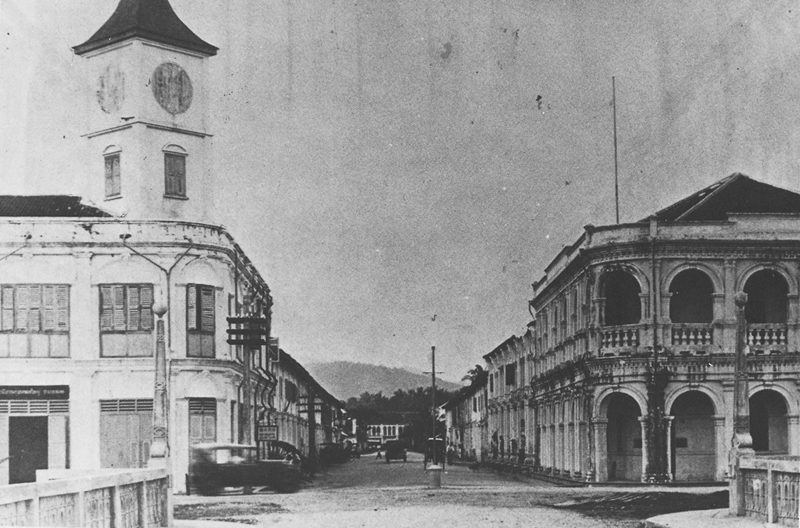
Even the island's capital — modern Phuket Town — looked completely different. Although the city was already an important trading center, most streets remained narrow, and transport consisted mainly of carts, bicycles, and a small number of cars.

Phuket's Sea Gypsies: The Island's Indigenous People

Long before Phuket became a well-known tourist destination, its coast was inhabited by sea nomads, who are now called Sea Gypsies or Chao Leh — "people of the sea." These peoples are considered to be among the oldest inhabitants of the Andaman coast and for many generations led a life closely connected to the sea.

One of the largest groups are the Urak Lawoi, who still reside in Phuket. Their settlements are preserved in the Rawai and Koh Sirey areas. Traditionally, they engaged in fishing, seafood harvesting, and maritime trade, and many families spent a significant part of their lives on boats, moving along the Andaman Sea coast.

sea gypsies still live in Phuket and its surroundings

Despite the rapid development of the island, the Sea Gypsy communities continue to preserve their traditions, language, and cultural heritage. Today, they are an important part of Phuket's history and a reminder of what the island was like long before the advent of tin mines, roads, and tourist resorts.

Tin Fever and Phuket's First Fortunes

The main engine of the island's development throughout most of the 19th and first half of the 20th century was tin mining.

Global industry needed this metal for the production of cans, alloys, electronics, and other goods. Phuket had some of the largest tin deposits in the region, attracting entrepreneurs from China, Malaya, and Europe.

It was thanks to tin that significant investments began to flow into the island. Roads, warehouses, piers, trading companies, and the first industrial enterprises emerged.

By the mid-20th century, Phuket became one of the most important centers for tin mining in Southeast Asia.

tin mines in Phuket

Chinese Immigrants and the Formation of the Modern Population

The tin industry attracted a large number of workers from the southern provinces of China.

Thousands of immigrants arrived on the island in search of work. Many of them stayed here permanently, started families, and engaged in trade, construction, and entrepreneurship.

It was the Chinese communities that had a huge impact on Phuket's development. They formed a significant part of the local business and left a noticeable mark on the island's culture.

Today, many residents of Phuket have Chinese roots, and the annual Vegetarian Festival remains one of the brightest reminders of this historical heritage.

Old Town Architecture: A Legacy of the Tin Mining Era

One of the most vivid reminders of the times when Phuket was one of the largest centers of tin mining in Southeast Asia is the island's historic center — Phuket Old Town. It was thanks to the income from the tin industry in the late 19th and early 20th centuries that dozens of luxurious mansions, trading houses, banks, and administrative buildings appeared here, many of which have survived to this day.

Wealthy mine owners and merchants invested in the construction of buildings inspired by both Chinese and European architecture.

Phuket architecture

Thus, the unique Sino-Portuguese style emerged in Phuket, which is now considered the hallmark of the island's historic center. Narrow streets with colorful facades, arched galleries, courtyards, and decorative stucco work allow one to see what Phuket was like during its economic boom.

Sino-Portuguese architectural style in Phuket Town

Today, Old Town is one of the island's most popular attractions. It is home to museums, ancient Chinese shrines, mansions of tin magnates, cozy cafes, and art galleries. Strolling along Thalang Road, Dibuk Road, and Phang Nga Road, you can literally touch Phuket's history and see how tin mining influenced the formation of the island's modern appearance.

Phuket Town today, clock tower on King's Birthday in 2026

World War II and Phuket

During World War II, Thailand found itself in a difficult position between the interests of major powers.

Although the main hostilities did not affect Phuket as much as some other regions of Asia, the war impacted the island's economy, trade, and maritime communication.

After the war, the country gradually began to recover, and Phuket continued to develop as an important region in southern Thailand.

Phuket Town after World War II

Construction of Sarasin Bridge and the End of Island Isolation

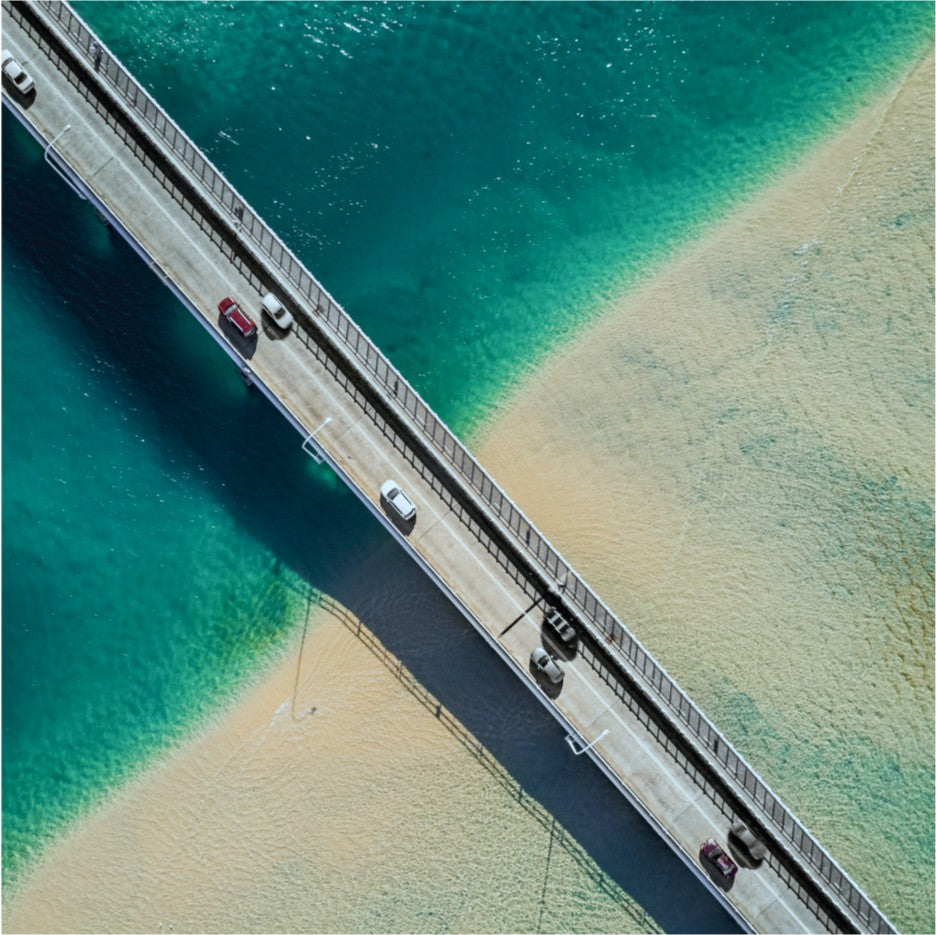
One of the most important events in Phuket's history was the opening of the Sarasin Bridge in 1967.

Before its construction, the only way to get to the island was by sea. Cars and buses were transported by ferry, which significantly limited the development of the economy and tourism.

The appearance of a permanent road connection with the mainland was a real revolution for the island.

Pavilion by Sarasin Bridge during a tour

The transportation of goods became significantly easier, the flow of travelers increased, and investments began to flow in much more actively.

In many ways, the Sarasin Bridge created the conditions for the future tourism boom.

A Tragic Love Story and the Film "Sarasin Bridge"

One of the most famous modern Phuket legends is the love story of Damp and Geo — a young couple who committed suicide in 1973 by jumping from Sarasin Bridge after their families failed to accept their relationship due to social inequality. This tragedy shocked Thailand and received widespread public attention.

Thai film Sarasin Bridge about what

Several years later, the story became the basis for the film "Sarasin Bridge of Love" (Saphan Rak Sarasin), which was released in 1987. The film tells the story of two lovers who faced misunderstanding from those around them and the impossibility of being together. Although the plot was partially fictionalized, the film retained the main idea of the real story and made the tragedy on Sarasin Bridge known far beyond Phuket.

Sarasin Bridge Today: A Historic Landmark of Phuket

Although Sarasin Bridge played a crucial role in Phuket's history, it is no longer used for vehicular traffic today. In 2011, the modern Thepkasattri Bridge was built nearby, taking over the main traffic flow between the island and the mainland of Thailand.

The old bridge was decided to be preserved as a historical object. After reconstruction, it was transformed into a pedestrian zone with observation decks, gazebos, and resting areas. Today, locals and tourists come here to admire the sunsets over Phuket Strait, take photos, and learn about one of the island's most famous historical pages. Sarasin remains not only a monument to the engineering ingenuity of its time but also a place associated with one of Thailand's most famous romantic legends.

First Tourists and the Birth of the Resort Industry

Even in the mid-20th century, Phuket remained a little-known island, whose economy was based on tin mining, fishing, and agriculture. Only a few travelers knew about the existence of the future world resort, and most of the coast consisted of quiet fishing villages and virtually untouched beaches.

Phuket in the early 20th century, history of Phuket island

The situation began to change in the 1960s-1970s, when improved transport links made the island more accessible to foreign visitors. The first tourists from Europe, Australia, and the USA began to arrive in Phuket, attracted by the picturesque beaches, tropical nature, and the opportunity to see Thailand as it was not yet known to mass tourism.

In those years, there were no large hotel complexes and developed tourist infrastructure on the island. Travelers stayed in small family guesthouses, and on the popular beaches of Patong, Karon, and Kata, one could walk for hours without meeting almost anyone. It was then that Phuket gradually began to gain a reputation as one of the most beautiful islands in Southeast Asia, laying the foundation for the future tourism boom that would completely change its appearance in the following decades.

How Patong Transformed from a Village into the Island's Main Resort

Today, Patong is known worldwide as Phuket's main tourist area, with dozens of hotels, shopping centers, restaurants, and entertainment venues. However, as recently as the mid-20th century, it was a small fishing village where locals engaged in fishing, coconut cultivation, and natural resource extraction.

Getting to Patong was not easy: good roads were almost non-existent, and most of the territory remained covered by tropical forests. Electricity, communications, and other conveniences now taken for granted appeared much later. The situation began to change with the growing interest of foreign travelers in Phuket. Thanks to its wide sandy beach, picturesque bay, and convenient location, Patong gradually became one of the first centers of tourism development on the island.

Year after year, more guesthouses, restaurants, and hotels opened here, and infrastructure development attracted new investors and vacationers. By the end of the 20th century, the former fishing village had transformed into Phuket's largest tourist center, and today Patong is rightfully considered one of the most famous beach resorts in Thailand and throughout Southeast Asia.

Patong Beach in 1970, the birth of tourism in Phuket

Phuket International Airport and the Beginning of the Tourist Boom

One of the key events that changed the island's future was the development of Phuket Airport. While getting there used to be long and inconvenient, with the advent of regular air service, the island became accessible not only to Thai residents but also to travelers from all over the world. Gradually, the number of flights increased, and with it, the interest of foreign tourists in the Andaman coast grew.

As the resort's popularity increased, the airport was repeatedly expanded and modernized. New terminals, additional runway capacities, and an increase in international routes allowed Phuket to welcome more and more guests. It was the development of air travel that transformed the island from a relatively remote region of southern Thailand into one of Asia's largest tourist centers, where today one can fly directly from dozens of countries.

Phuket's Economic Transformation: From Mines to Tourism

By the 1980s, Phuket entered a new era in its history. Tin reserves were gradually depleted, many mines closed, and the island's economy became increasingly dependent on tourism. Instead of mines and industrial facilities, hotels, restaurants, shopping centers, and entertainment complexes began to appear along the coast. It was during this period that the Phuket familiar to modern travelers took shape.

Patong beach in 1980, tourism development in Phuket

The growth of the tourism industry attracted significant investment to the island. New roads were built, public infrastructure developed, international schools, modern hospitals, and residential complexes opened. Phuket ceased to be merely a holiday destination and gradually transformed into one of Thailand's most comfortable regions for permanent residence.

By the end of the 20th century, the island was already considered one of the country's fastest-developing regions. Tourism became the main source of income, and Phuket gained international recognition as a destination that combines high-level service, tropical nature, and developed urban infrastructure. It was then that the foundations were laid for the island's further transformation into one of the world's leading resorts.

Promthep Cape in Phuket in the past, tourism development


The 2004 Tsunami: The Day That Changed Phuket Forever

December 26, 2004, became one of the most tragic dates in the history not only of Phuket but of the entire Indian Ocean coast. In the morning, a powerful underwater earthquake off the coast of Indonesian Sumatra triggered giant tsunami waves that struck dozens of countries in the region. Several hours later, the disaster reached the western coast of Phuket, where thousands of tourists and locals were present.

The most severely affected beaches were Patong, Kamala, Karon, and Kata. The waves destroyed buildings, roads, boats, and coastal infrastructure, claiming lives and causing immense damage to the island's tourism industry. For many residents of Phuket, that day remained forever one of the most difficult memories in their lives.

Despite the scale of the tragedy, the island's recovery was remarkably swift. Within a few months, large-scale work began to restore beaches, hotels, and urban infrastructure. Simultaneously, Thai authorities, together with international organizations, established a modern tsunami monitoring and warning system, installed special sirens along the coast, and developed evacuation plans for locals and tourists.

цунами на Пхукете в 2004 году история Пхукета

Today, memorials erected in the affected areas, as well as safety systems, which have become an integral part of the resort island's life, serve as reminders of the 2004 events. The tragedy showed the region's vulnerability to the forces of nature but at the same time demonstrated Phuket's ability to recover and once again become one of the world's most popular tourist destinations.

The Film "The Impossible"

The tragic events of the 2004 tsunami were depicted in world cinema. In 2012, the film "The Impossible" was released, starring Naomi Watts and Ewan McGregor. The movie is based on the true story of a Spanish family caught in Thailand during the disaster. A significant part of the plot focuses on the events that occurred in the resorts of the country's south after the impact of the giant wave.

The film received high critical acclaim for its realistic portrayal of the natural disaster and human emotions. After its release, millions of viewers worldwide learned about the scale of the tragedy that affected Phuket, Khao Lak, and other areas of the Andaman Sea coast. Today, "The Impossible" is considered one of the most famous feature films dedicated to the 2004 tsunami.

фильм невозможное про цунами на Пхукете

Modern Phuket: From Provincial Island to Global Resort

Over the past few decades, Phuket has undergone a transformation that took many cities centuries. Today, it is not just the largest island in Thailand but one of Asia's most famous tourist centers, attracting millions of travelers from all over the world annually. Hundreds of hotels, restaurants, tour companies, shopping centers, and entertainment complexes operate here, and the tourism industry has become the cornerstone of the local economy.

However, modern Phuket has long ceased to be solely a resort. The island's urban infrastructure is actively developing: new residential areas are being built, international schools, modern hospitals, sports complexes, and business centers are operating. Many foreigners now come here not for vacation but for work, business, or permanent residence, transforming Phuket into one of Thailand's most cosmopolitan regions.

How Phuket's Population Changed Over a Hundred Years

Along with economic development, the island itself has also changed. While in the early 20th century, Phuket's population primarily consisted of local Thais, Chinese immigrants, and tin mine workers, today it is home to people of dozens of nationalities. A significant contribution to the island's development has been made by people from China, Malaysia, Europe, Australia, Russia, and other countries who have chosen Phuket as their home.

The growth of the tourism industry has led to a constant influx of new residents. Some come to work in the hospitality and service sectors, others open their own businesses, invest in real estate, or move to the island for its comfortable climate and high quality of life. As a result, Phuket has become a unique place where Asian traditions organically blend with international culture.

What Remains of Old Phuket

Despite rapid development and extensive construction, the island has managed to preserve many historical monuments and cultural traditions. Walking through the streets of the Old Town, one can see the same Sino-Portuguese style buildings that were constructed during the tin boom over a hundred years ago. Chinese shrines, old mansions, traditional markets, and festivals still recall the island's multinational history and the influence of early settlers on its development.

Beyond the tourist areas, fishing villages still exist where life is much calmer than on the popular beaches. In some areas, descendants of sea gypsies continue to live, and old photographs and archival documents allow us to see how dramatically Phuket has changed over the last century.

It is this combination of past and present that makes the island special. Here, modern hotels and shopping centers coexist with historic quarters, and next to bustling resorts, one can find places that retain the atmosphere of old Phuket. Over a hundred years, the island has endured wars, economic booms and busts, natural disasters, and a tourism explosion, yet it has managed to preserve its unique identity and become one of Thailand's most recognizable places.


смотровая площадка карон на три пляжа ката карон ката ной в 2026


TOP tours

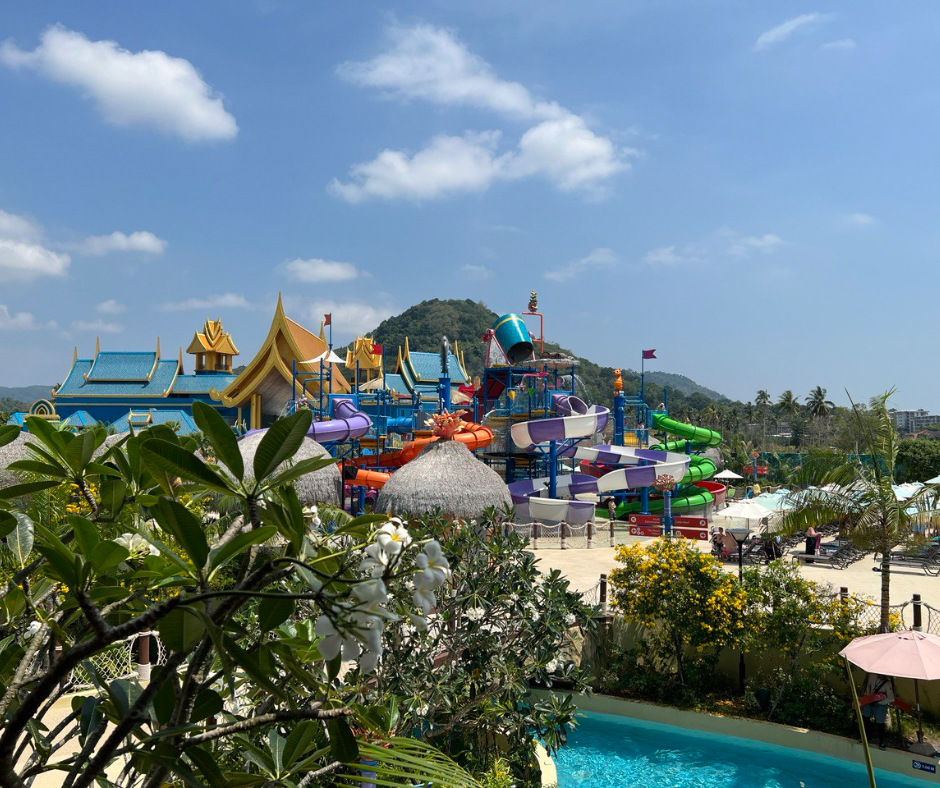
Waterpark "Andamanda"

child

฿ 1,100.00

฿ 1,400.00

adult

฿ 1,600.00

฿ 2,000.00

Прочитать описание Прочитать описание

Khao Lak national park

child

฿ 1,400.00

฿ 1,600.00

adult

฿ 1,600.00

฿ 1,800.00

Прочитать описание Прочитать описание

Zipline Erawan

EP1 program

฿ 2,850.00

฿ 3,300.00

EP2 program

฿ 2,100.00

฿ 2,400.00

EP3 program

฿ 1,700.00

฿ 1,800.00

EPS program

฿ 2,100.00

฿ 2,400.00

Прочитать описание Прочитать описание

Carnival Magic

Adult

฿ 1,850.00

฿ 2,200.00

adult

฿ 1,850.00

฿ 2,200.00

Прочитать описание Прочитать описание

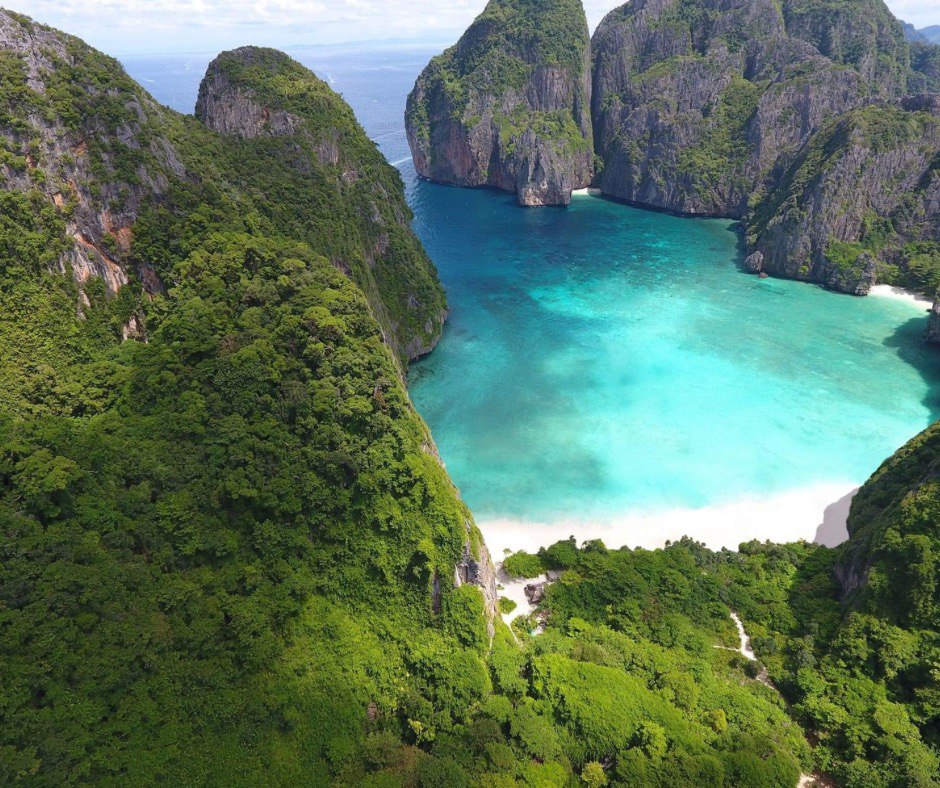
Phi Phi and Bamboo islands

child

฿ 2,000.00

฿ 2,400.00

adult

฿ 2,300.00

฿ 3,000.00

Прочитать описание Прочитать описание

Thai Cooking Lesson

children's

฿ 2,000.00

฿ 2,400.00

adult

฿ 2,500.00

฿ 3,000.00

Прочитать описание Прочитать описание

Krabi Islands PRO - early bird

child

฿ 2,100.00

฿ 2,600.00

adult

฿ 2,600.00

฿ 3,000.00

Прочитать описание Прочитать описание

Phi Phi Bamboo Islands PRO with early departure

children's

฿ 2,100.00

฿ 2,500.00

adult

฿ 2,700.00

฿ 3,000.00

Прочитать описание Прочитать описание

James Bond Island + Islands Without Waves PRO

children's

฿ 2,100.00

฿ 2,500.00

adult

฿ 2,600.00

฿ 3,000.00

Прочитать описание Прочитать описание

Amazing Phangnga + Mai Khao PRO

child

฿ 2,300.00

฿ 2,800.00

adult

฿ 2,600.00

฿ 3,000.00

Прочитать описание Прочитать описание

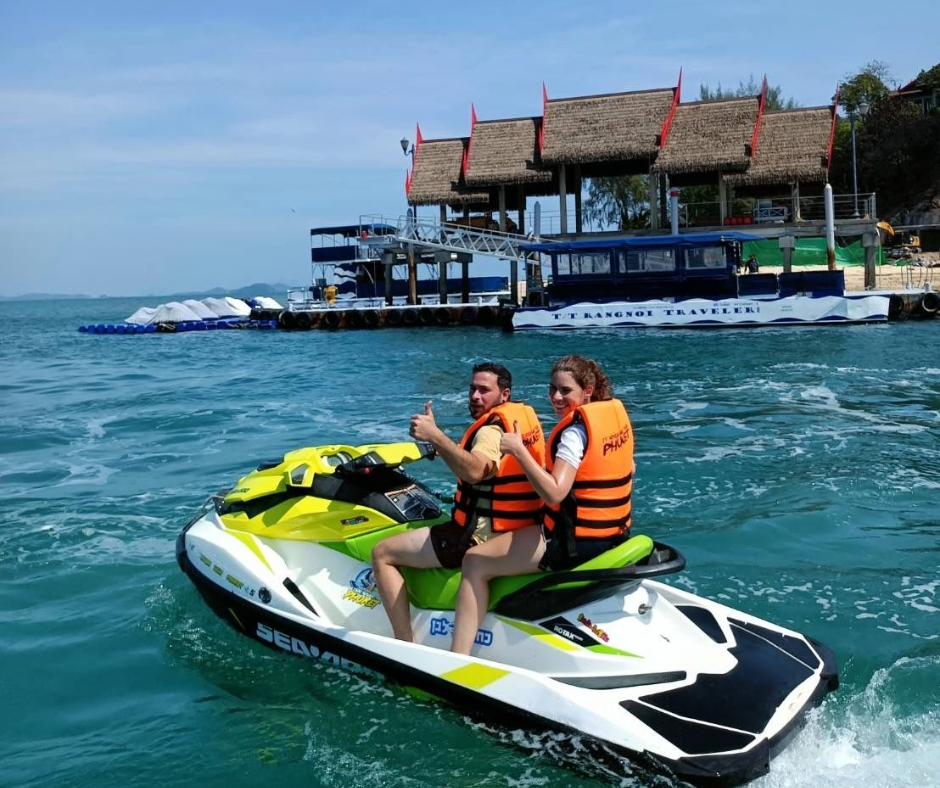
Islands by jet ski + elephants

for a jet ski (Seadoo)

฿ 6,000.00

฿ 8,000.00

per person (if two people on one Seadoo jet ski)

฿ 3,000.00

฿ 8,000.00

Прочитать описание Прочитать описание

Jet Ski Tour

за гидроцикл

฿ 6,500.00

฿ 8,000.00

за человека (если вдвоем на одном гидроцикле)

฿ 3,250.00

฿ 8,000.00

Прочитать описание Прочитать описание

Islands on the yacht HYPE

children's

฿ 8,500.00

adult

฿ 8,500.00

Прочитать описание Прочитать описание