Surin Islands in Thailand: how to get there, when to go, what to see, and why they are considered the best place for snorkeling
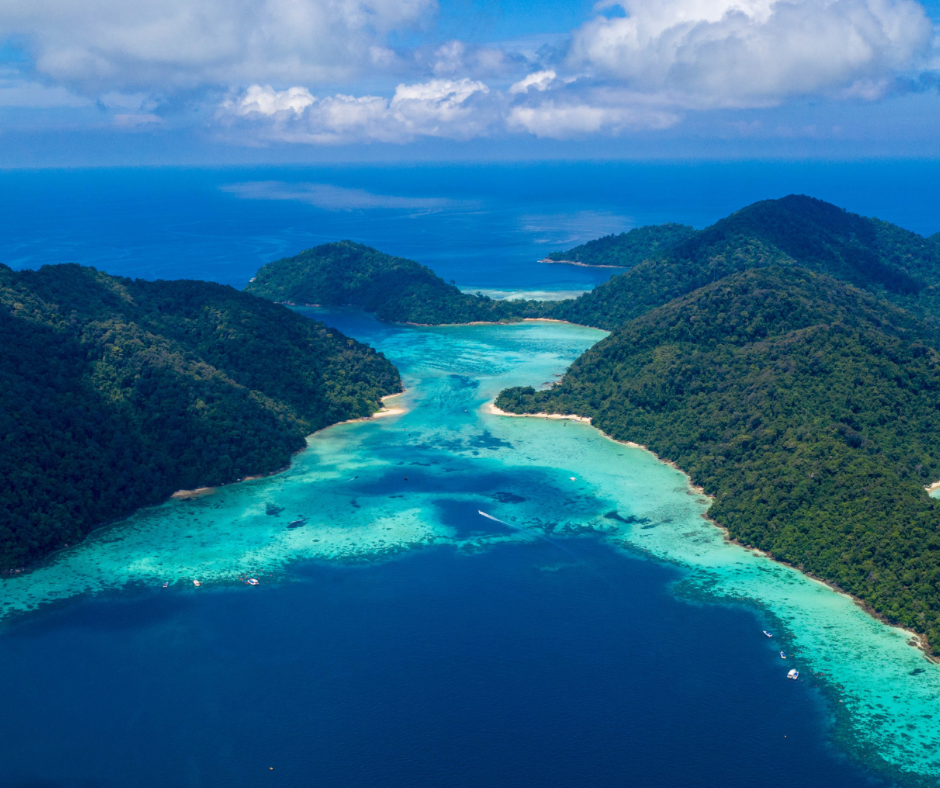
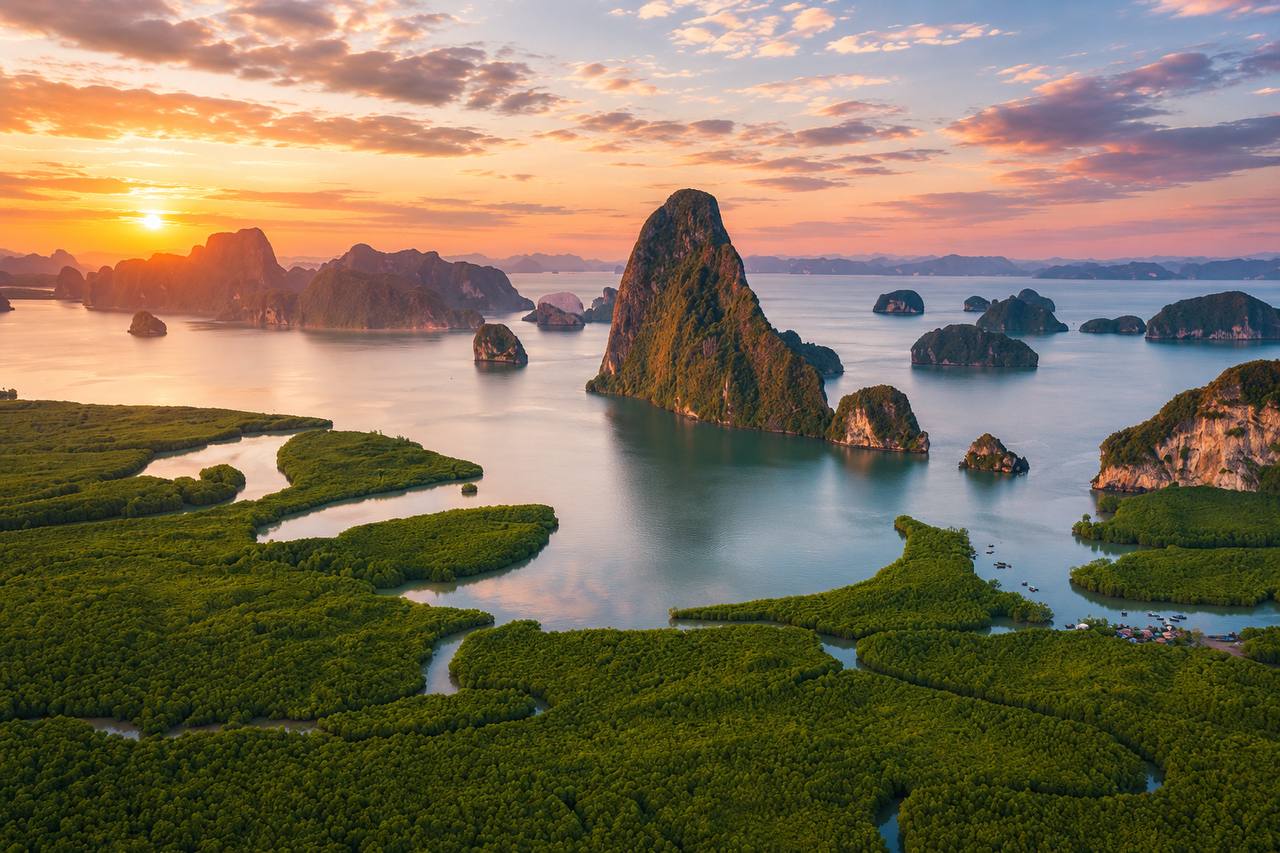
Surin Islands — one of Thailand's most beautiful and least disturbed corners. The archipelago is located in the northern part of the Andaman Sea, near the maritime border with Myanmar, and is part of Mu Ko Surin National Park. Despite its remoteness, many tourists make a special trip here while vacationing in Phuket or Khao Lak to see pristine coral reefs, crystal-clear water, and experience the culture of the sea nomads.
While the Similan Islands are known for their granite boulders and snow-white beaches, the Surin Islands are considered one of Thailand's best places for snorkeling. This is where people come for a rich underwater world, a peaceful atmosphere, and the feeling of being in a true tropical sanctuary.
Where are the Surin Islands located
The archipelago is located approximately 60 kilometers off the coast of Phang Nga Province and significantly north of the Similan Islands. The nearest mainland town is Karuaburi, from where speedboats depart.
The distance to Phuket is quite far, so the trip takes almost a full day. However, it is precisely this remoteness that has allowed the islands to preserve their natural beauty and avoid mass tourism.
Since 1981, the entire archipelago and its surrounding waters have been protected by Mu Ko Surin National Marine Park. The protected area covers more than 140 square kilometers. Strict conservation rules are enforced here, ensuring that the coral reefs, beaches, and tropical forests remain as natural as possible.

What islands make up the archipelago
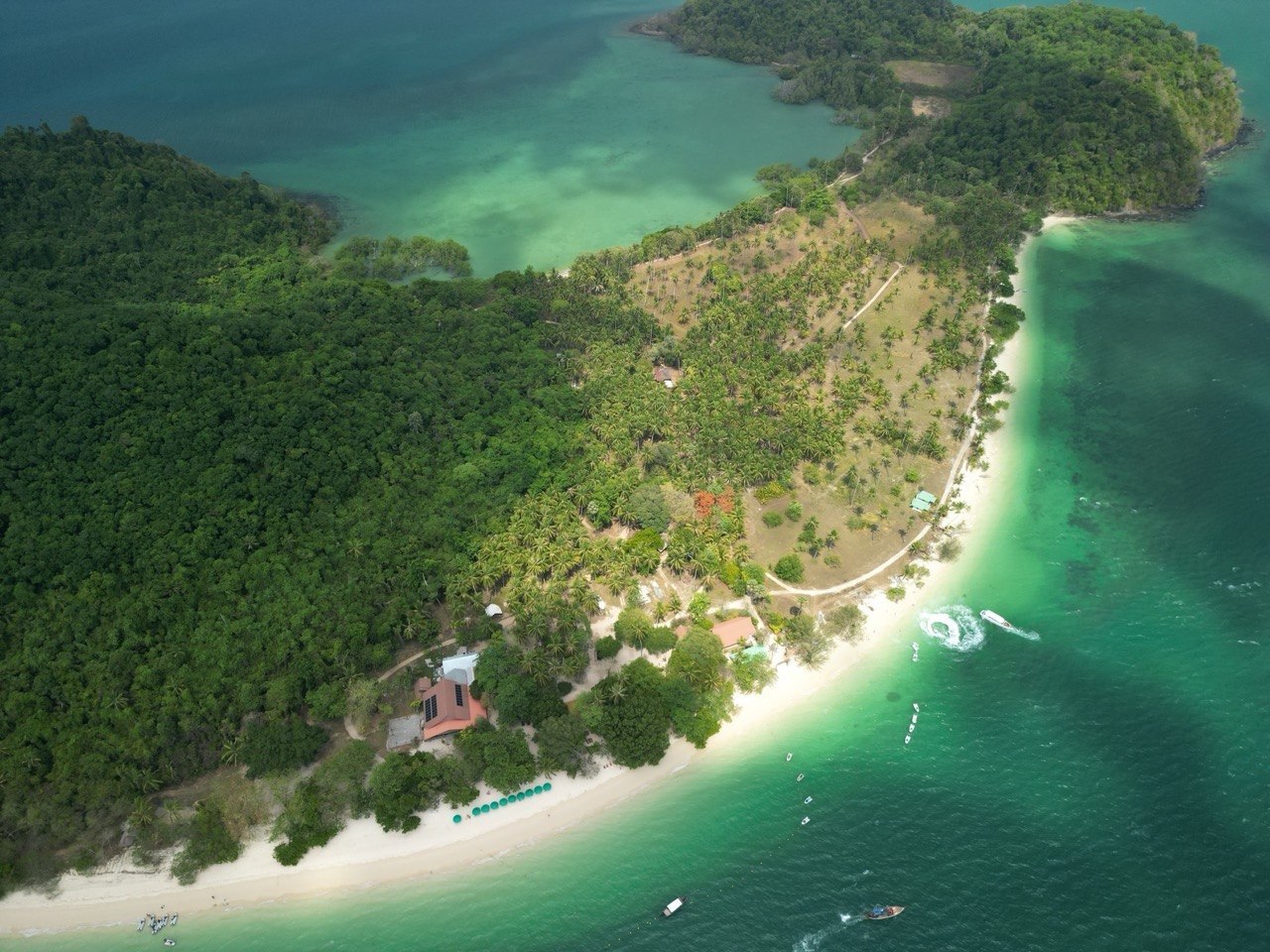
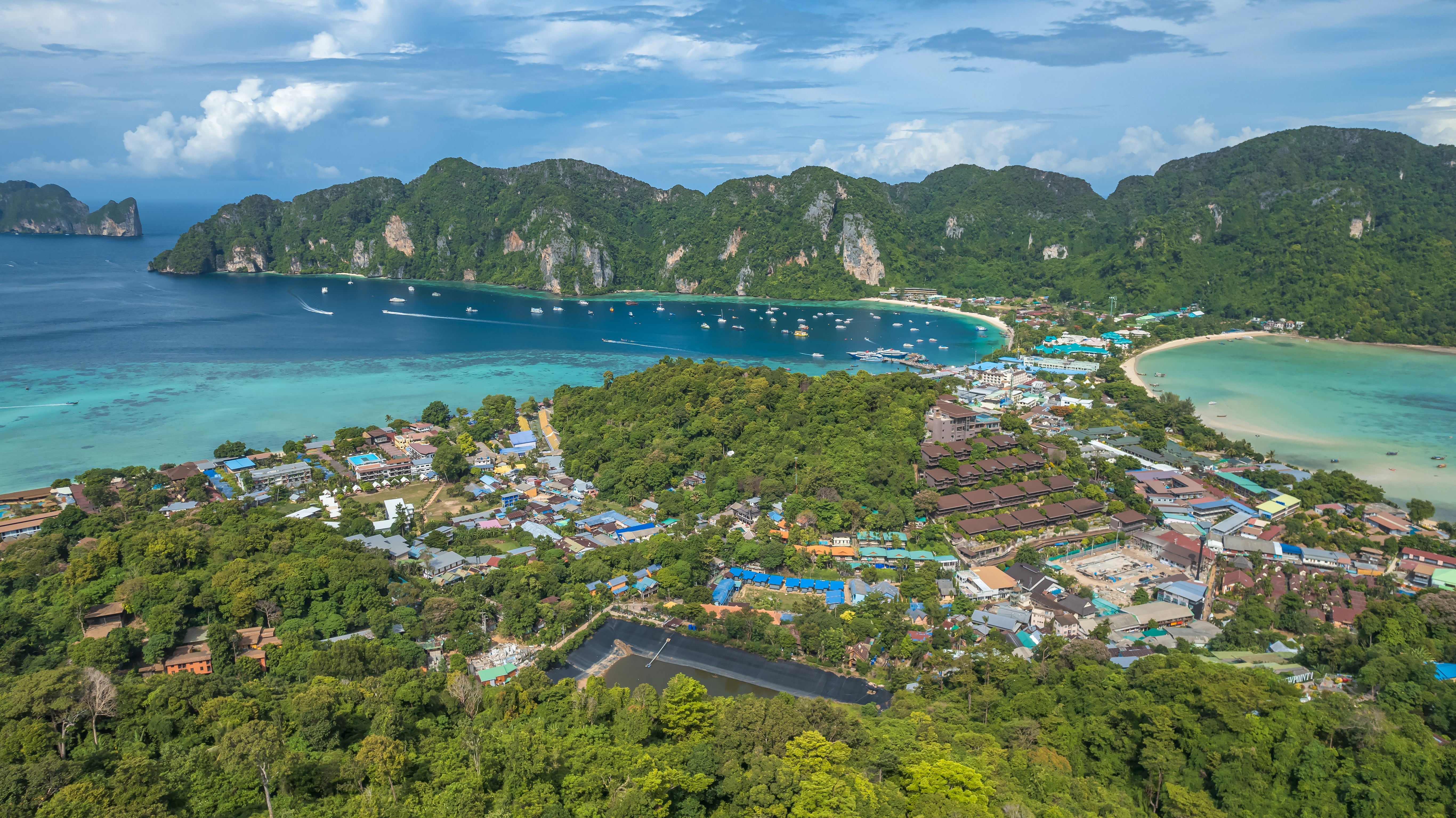
The archipelago includes five islands. The two largest are Ko Surin Nuea (North Surin) and Ko Surin Tai (South Surin). This is where the main beaches, tourist facilities, campsites, and Moken settlement are located.
The other three islands are small rocky outcrops that are rarely used for recreation but beautifully complement the picturesque seascape.
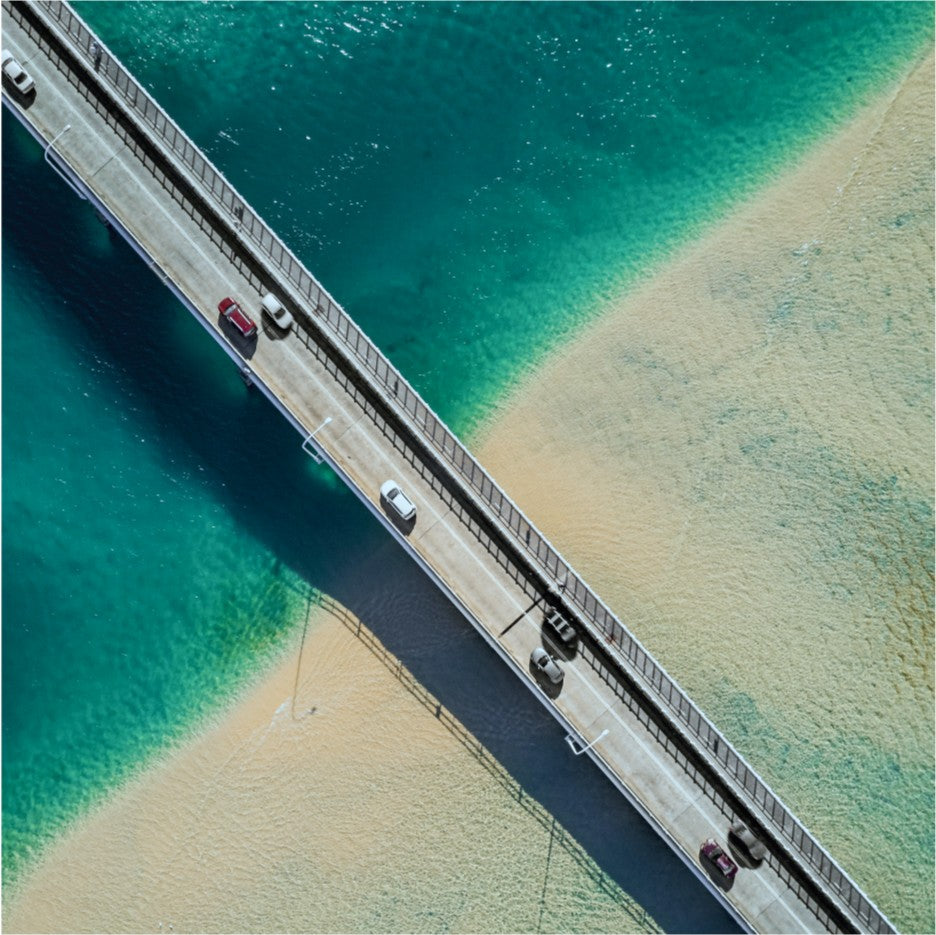
During low tide, a sandbar appears between North and South Surin, allowing visitors to walk part of the way. At high tide, the channel fills completely with water and becomes a popular swimming spot.
The nature of the Surin Islands
The archipelago's greatest asset is its virtually untouched nature.
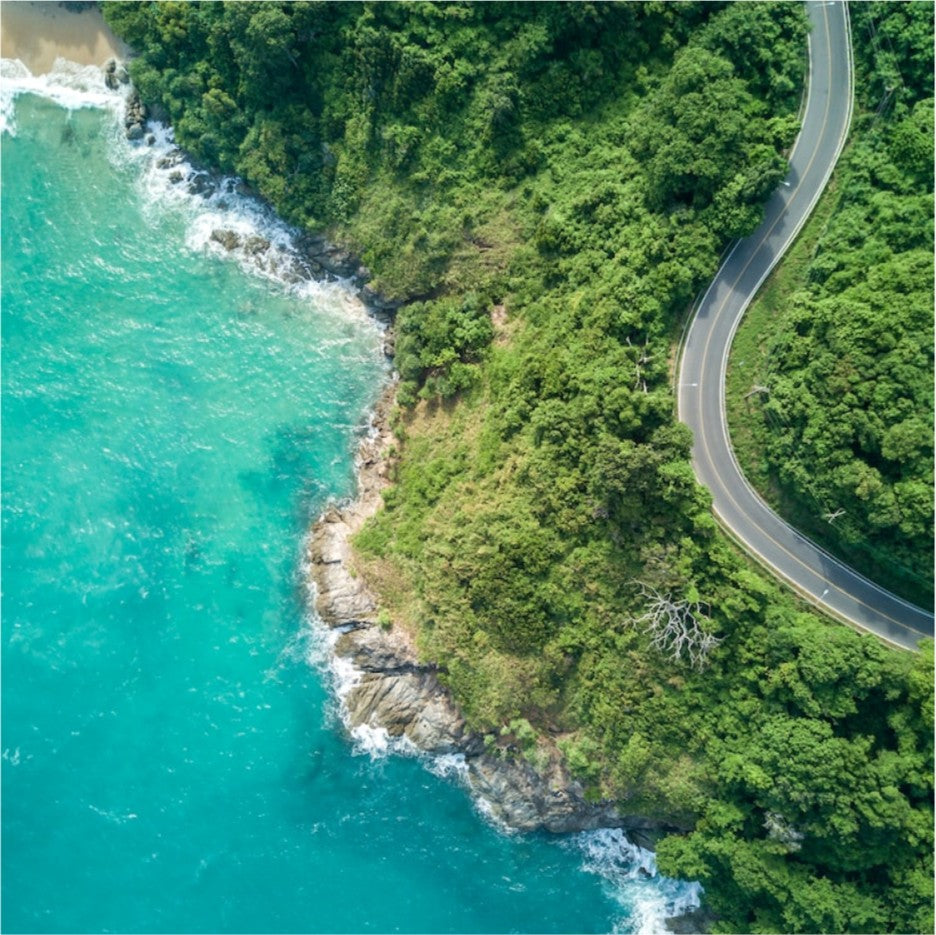
Most of the islands are covered in dense tropical forests that extend right down to the snow-white beaches. In the numerous bays, the water is incredibly clear, and coral reefs begin just a few meters from the shore.
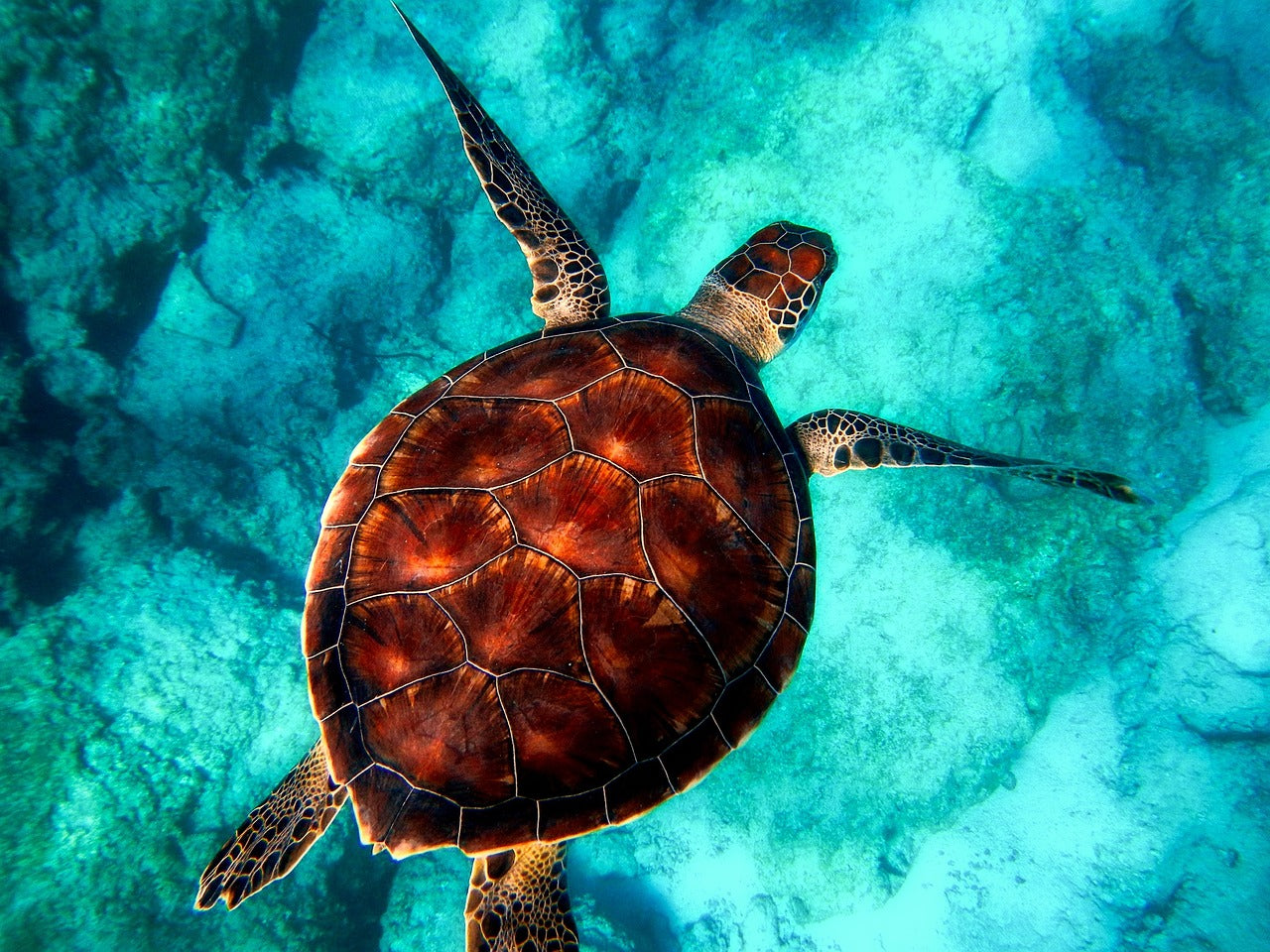
Some of Thailand's best-preserved coral ecosystems are found here. The coastal waters are home to dozens of coral species, colorful reef fish, starfish, giant mollusks, moray eels, octopuses, and sea turtles. Whale sharks are sometimes seen in the open sea, although such encounters are quite rare and cannot be guaranteed.
Thanks to its status as a national park, the construction of large hotels and large-scale commercial activities is prohibited here, allowing the islands to retain the appearance they had many decades ago.
Why Surin is considered one of the best places for snorkeling
Among underwater enthusiasts, the Surin Islands have long been considered one of Thailand's best destinations.
Almost all popular snorkeling spots are located close to shore, so even those who have never snorkeled before can see abundant marine life. Underwater visibility can reach several dozen meters in good weather.
During a tour, visitors usually visit several different reefs, each with varying depths and diverse marine life. This allows them to see completely different underwater landscapes in a single day.
The famous Richelieu Rock is also located near the archipelago—one of the most renowned diving spots not only in Thailand but throughout Southeast Asia. It is approximately 15 kilometers from the islands and is included in specialized diving safari itineraries.

The Moken sea gypsy village
A small settlement of the Moken people—sea nomads often called sea gypsies—is located on Ko Surin Tai.
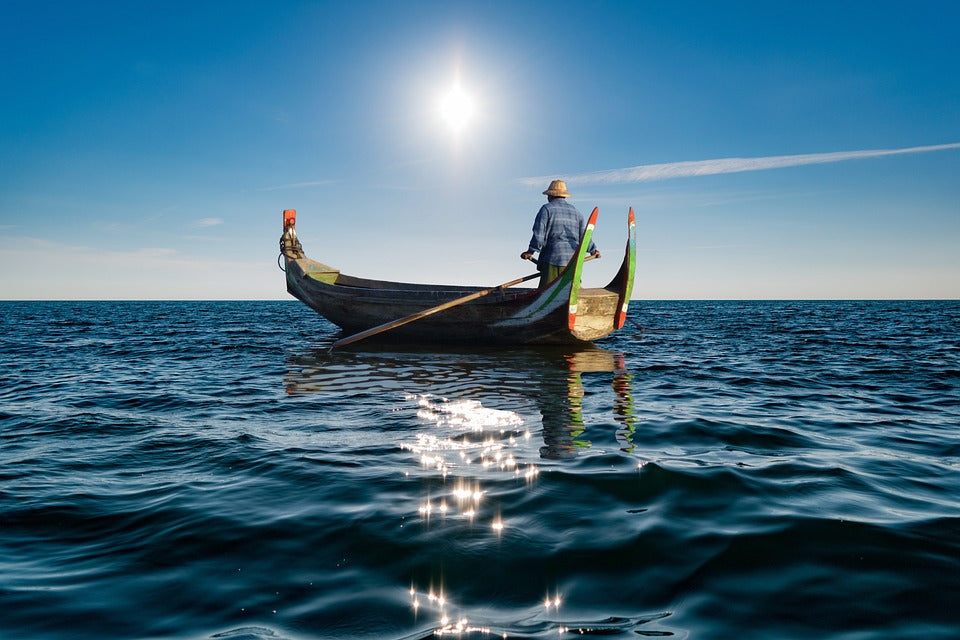
For many generations, the Moken have made their living almost exclusively from the sea. They fished, gathered seafood, and traveled freely between islands in traditional wooden boats.
Today, some residents continue their traditional way of life while also working in the national park and serving tourists. They make handmade souvenirs that can be purchased during tours.

The Moken population remains very small, so the Thai government, together with conservation organizations, pays close attention to preserving their culture and traditional way of life.
Visiting the village offers an opportunity to learn about one of the Andaman Sea's most unique ethnic groups and see how different their daily lives are from modern civilization.

When is the best time to visit the Surin Islands
The archipelago is open to visitors only during the high season.
The national park usually welcomes guests from mid-October to mid-May. During the southwest monsoon, the sea becomes rough, with strong waves and storms, so the park closes every year for visitor safety and marine ecosystem recovery. Depending on weather conditions, the opening and closing dates may vary slightly.
The most pleasant weather is from November to April. During this time, the sea is usually calm, the water is at its clearest, and snorkeling conditions are considered ideal.
How Surin differs from the Similan Islands
Although both archipelagos are located relatively close to each other and are among Thailand's most beautiful national parks, a visit to each feels completely different.
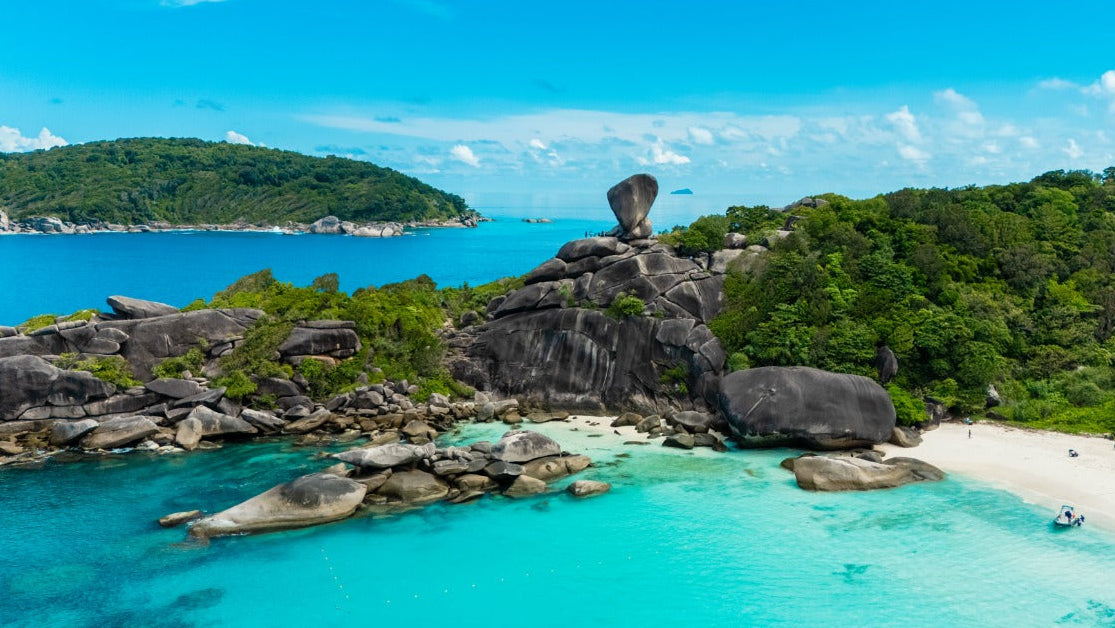
The Similan Islands are primarily known for their granite boulders, viewpoints, and postcard-perfect beaches. Photos of the Similans are more commonly seen in travel brochures.
The Surin Islands make a different impression. There are fewer tourists, a more peaceful atmosphere, and a much more interesting underwater world. Many travelers who visit both archipelagos note that snorkeling at Surin was the highlight of their entire trip.
Can you stay overnight on Surin
Yes. Unlike most of Thailand's boat tours, visitors can spend several days on the Surin Islands.
Various accommodation options are available within the national park. Visitors can stay in tents, air-conditioned tents, or national park bungalows. This allows visitors to see the islands after the day tours have left, enjoy the peace and quiet, watch the sunrise on a virtually empty beach, and spend more time in nature.
Due to limited availability, it is recommended to book accommodation in advance, especially during the high season.

How to get to the Surin Islands
For most tourists, traveling to the Surin Islands independently is impractical. In addition to arranging a transfer to the pier, visitors must arrange national park entry and find a scheduled speedboat.
It is much more convenient to join an organized tour.
From Khao Lak, the drive to the pier takes less than half an hour, making the trip much easier. From Phuket, visitors first travel by road for about two hours to the pier, then take a speedboat for another 1.5 to 2 hours to the archipelago. For this reason, tours are generally not recommended for families with small children or those who do not tolerate long drives or boat trips well.
What tours to the Surin Islands are available
While vacationing in Phuket and Khao Lak, visitors can choose from several options for visiting the archipelago.
The most popular option is a day tour to the Surin Islands, which includes hotel transfers, visits to several snorkeling spots, beach time, and a stop at the Moken village.
Those who want to see the islands without large crowds and spend more time in nature can choose a package that includes accommodation within the national park. Accommodation options for two or three nights in tents, air-conditioned tents, or bungalows are available.
Is it worth visiting the Surin Islands
If you are looking for Thailand's most beautiful islands with a rich underwater world, the Surin Islands are definitely worth visiting. There are no noisy resorts, beach clubs, or large numbers of entertainment options. Instead, visitors can enjoy the clear Andaman Sea, vibrant coral reefs, snow-white beaches, dense tropical forests, and the opportunity to learn about the Moken people's culture.
For snorkeling enthusiasts, this is one of the best places not only in Thailand but throughout the Andaman Sea. The opportunity to stay overnight on the islands makes the trip even more special and allows visitors to see the national park in a completely different way—quiet, peaceful, and virtually empty after the day tours have left.

Read also:
Winter tours in Phuket 2026-2027: where to go in December, January, and February
Useful information for visitors to Phuket