

The Hell and Heaven Temple in Phang Nga: One of Thailand's Most Unusual Attractions
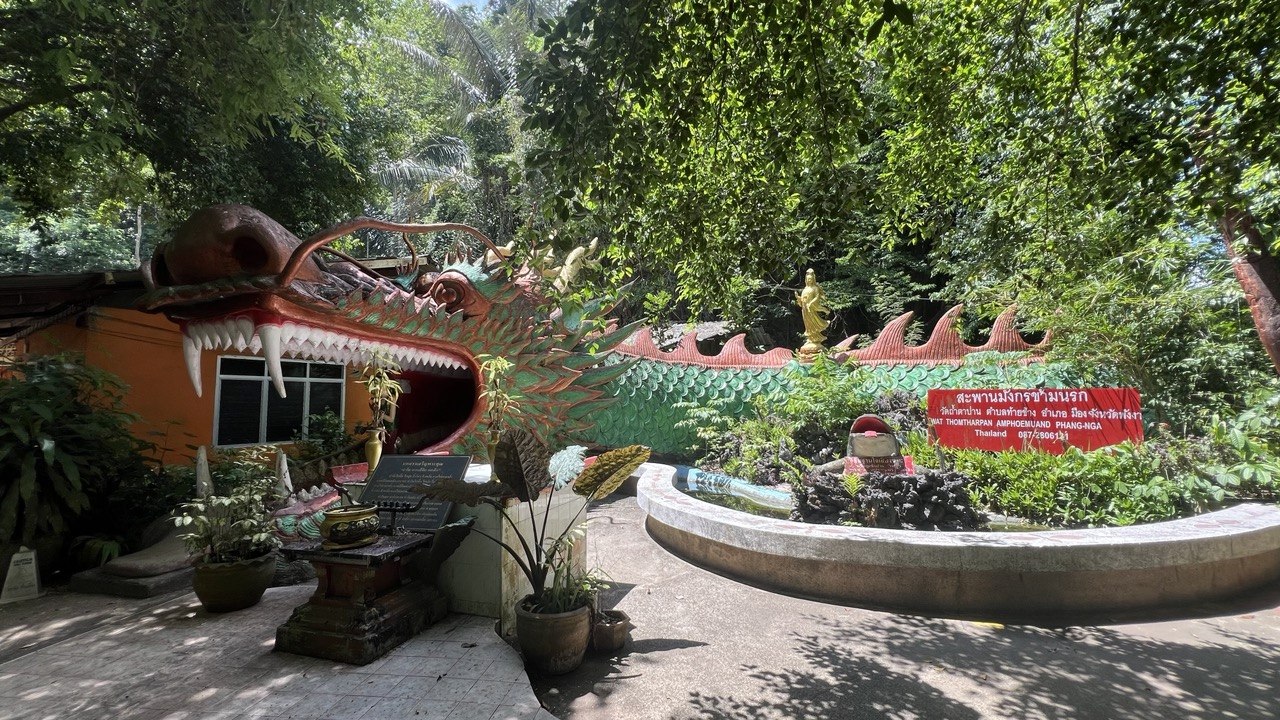
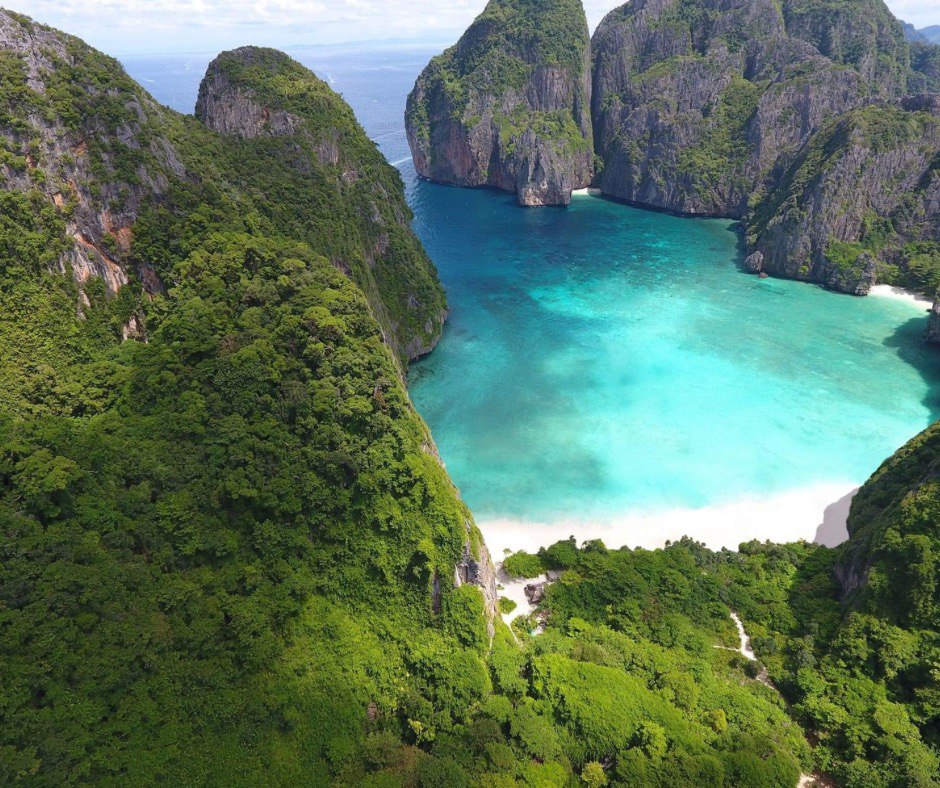
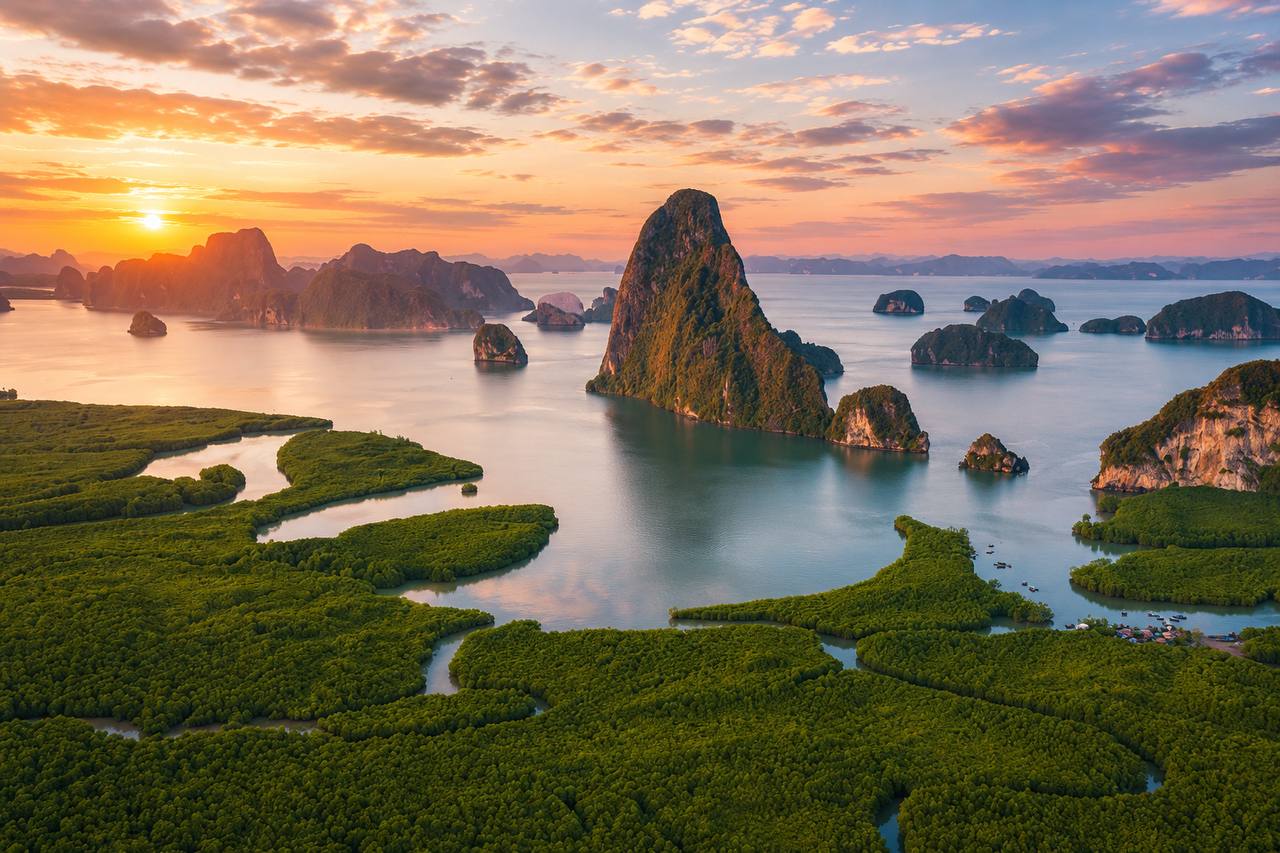
Most tourists come to Phang Nga province for the famous limestone cliffs, James Bond Island, or Samet Nangshe viewpoint. However, there is another place here that is no less impressive – the Hell and Heaven Temple. This is an unusual Buddhist temple complex that visually demonstrates how Thai culture understands the consequences of human actions, what happens to the soul after death, and why Buddhism places such great emphasis on karma.

Visiting the Hell and Heaven Temple is rarely included in excursions from Phuket, but for many travelers, this stop becomes one of the most memorable of the entire day.

History of the Hell and Heaven Temple
The official name of the Hell and Heaven Temple is Wat Tham Ta Pan. It is an active Buddhist temple located in Phang Nga province, near the city of the same name. Originally, a small monastery was located here, founded around a natural limestone cave, which is still part of the temple complex today. Later, monks gradually expanded the territory, creating sculptural compositions dedicated to Buddhist teachings on karma, rebirth, and the consequences of human actions. Over time, it became one of the most unusual attractions in southern Thailand, attracting thousands of tourists and pilgrims annually.
Despite its popularity among travelers, the temple remains an important religious site for locals. All the sculptures and compositions here are created not to scare visitors, but to explain the basic principles of Buddhism in an accessible way. Walking through the temple grounds, guests take a symbolic journey from hell to heaven, which reminds them that a person's actions determine their future destiny. This unusual concept makes this temple not just a tourist attraction, but a place where one can better understand the culture, traditions, and worldview of Thailand.
Where the Hell and Heaven Temple is located
The temple is located in Phang Nga province, about an hour and a half drive from Phuket. Thanks to its convenient location, it is often visited during bus excursions, combined with a trip to the Samet Nangshe viewpoint, a boat ride through Phang Nga Bay, visits to waterfalls, or other attractions on the mainland of Thailand.
Despite its popularity among tourists, the temple remains an active religious complex where locals regularly come for prayers and Buddhist ceremonies.

Why the temple is called the Hell and Heaven Temple
Not everyone knows the official name of the complex, so among tourists, it has received the simple and clear name – the Hell and Heaven Temple.
This name is associated with the unusual temple grounds, where dozens of sculptures depict scenes from Buddhist ideas about the afterlife. Here you can see what trials, according to traditional beliefs, await a person after death, depending on their actions during life.

The complex is conditionally divided into two parts. The first is dedicated to punishments for human sins, and the second symbolizes peace, harmony, and the path to spiritual enlightenment.
What you can see in the Hell Temple
The most unusual part of the complex is dedicated to the Buddhist concept of hell. Here, large sculptural compositions depict mythological creatures, demons, and people undergoing various trials.

At first glance, the exhibition may seem frightening. The sculptures are very realistic and demonstrate the consequences of greed, deception, violence, betrayal, and other ignoble deeds. Each scene is accompanied by explanations and reminds visitors of the importance of moral behavior.

For Thais, this is not an amusement or a way to frighten visitors. Such images serve as a visual reminder of the law of karma and human responsibility for their actions.

That is why locals treat this place with great respect.
Heaven in Buddhist understanding
After the gloomy scenes of hell, visitors enter a completely different atmosphere. Here the territory becomes calm and bright. Sculptures depict celestial worlds, happy people, mythical creatures, and Buddhist deities.
This part of the complex symbolizes spiritual purity, good deeds, and inner harmony. The contrast between the two zones helps to better understand the main idea of the temple – each person shapes their future through their actions.

Buddhist philosophy, understandable to everyone
Even if you have never been interested in Buddhism, a walk through the temple helps to better understand Thai culture.
Buddhism does not view hell and heaven as a final judgment. According to the teachings, after death, the soul passes through various states, and further rebirth is determined by accumulated karma. Therefore, the main idea of the complex is not punishment, but a reminder that all actions have consequences.
That is why Thai parents often bring their children here, and guides tell tourists in detail about the meaning of each composition.
Architecture and atmosphere of the complex
In addition to unusual sculptures, the territory features traditional Buddhist buildings, well-kept gardens, Buddha statues, and places for prayer.
The complex is surrounded by greenery, so the walk here is calm and unhurried. Despite its popularity among travelers, the atmosphere remains peaceful, especially if you visit in the morning.
Many tourists note that it is the combination of the unusual exhibition and an active Buddhist temple that makes this place completely unlike other attractions in Thailand.

Can you take photos?
Photography is allowed on the complex's territory, so the Hell and Heaven Temple often becomes one of the most unusual photo locations during excursions in Phang Nga.
However, it is important to remember that this is first and foremost an active temple. During your visit, it is recommended to show respect for religious objects, avoid making noise, and adhere to the dress code accepted in Thailand when entering temple areas.
Is it worth visiting the Hell and Heaven Temple?
If you have already visited the popular tourist spots in Phuket and want to see something truly unusual, the Hell and Heaven Temple will be an excellent choice. This place combines Buddhist philosophy, unusual art, local traditions, and the opportunity to better understand the worldview of the people of Thailand.
That is why the Hell and Heaven Temple is deservedly considered one of the most unusual and memorable attractions in southern Thailand, attracting thousands of travelers annually who wish to get acquainted with the country's culture and traditions much deeper than is possible during a typical beach vacation.