








Rip currents in Phuket – why they are dangerous and what every tourist should know

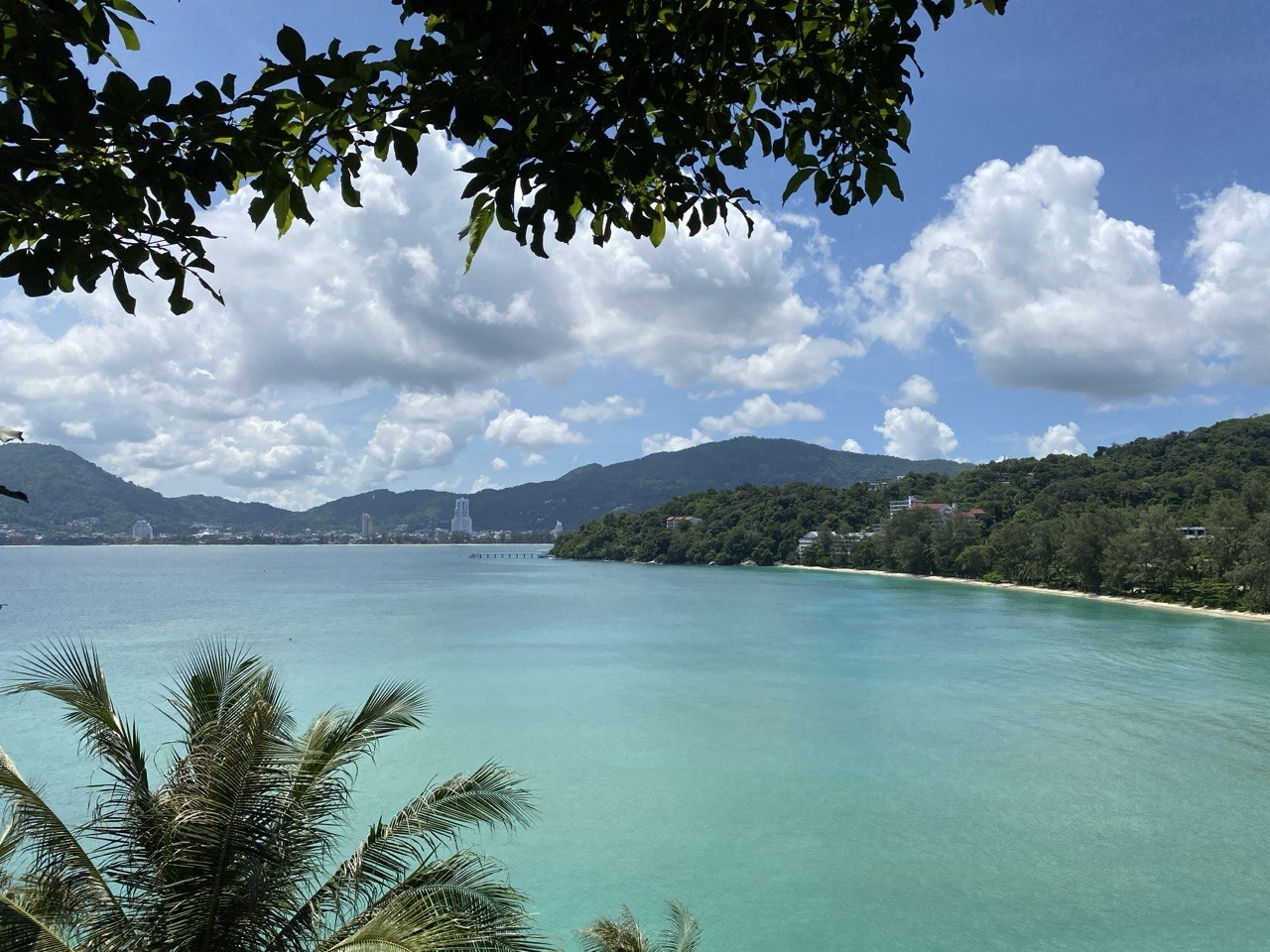
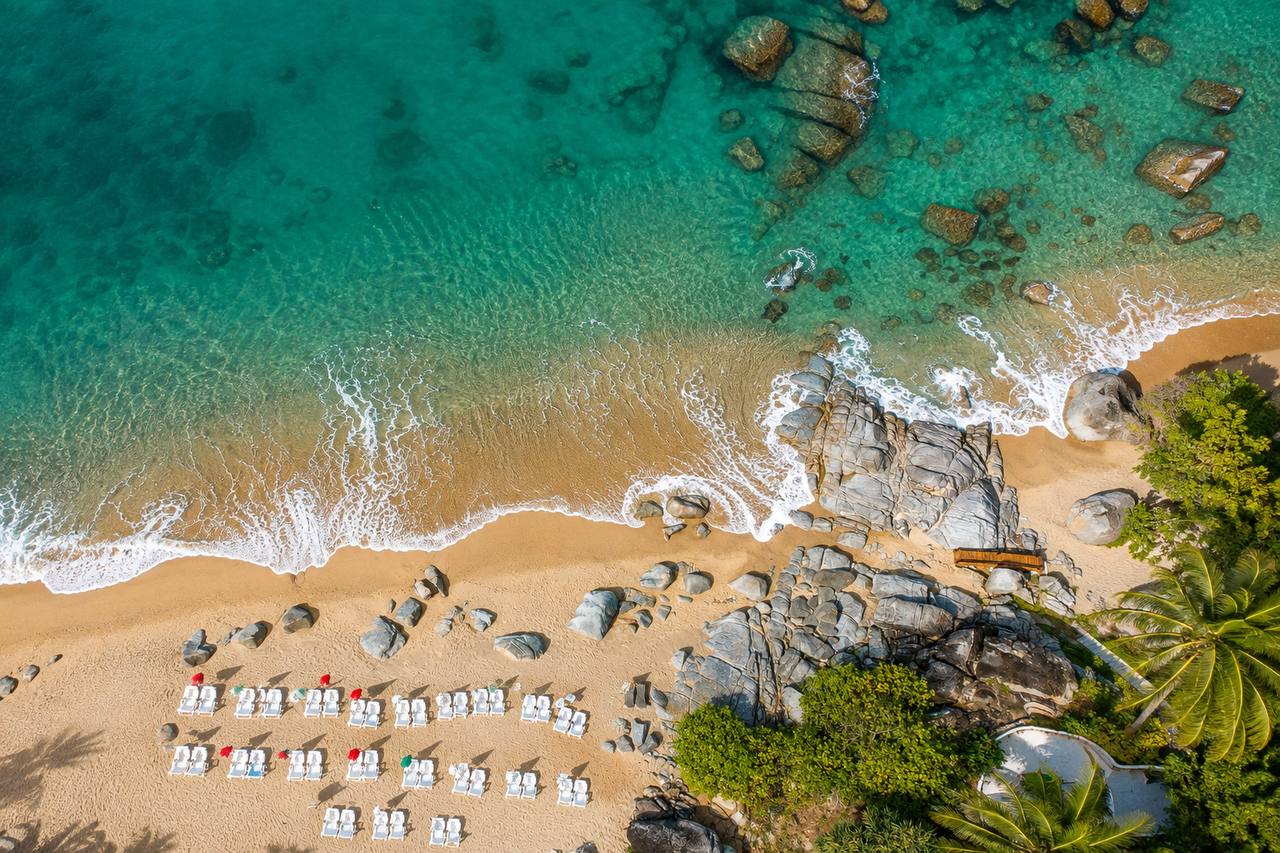
Phuket is famous for its beautiful beaches, warm sea, and long sandy shores. Millions of tourists from all over the world come here every year, many of whom encounter the peculiarities of the Andaman Sea for the first time. One of the main natural dangers in Phuket is rip currents, which are especially active during the rainy season.
It is rip currents that cause most incidents on the island's beaches. The danger lies in the fact that externally the sea may look quite normal and does not always cause tourists to feel anxious. Many holidaymakers do not even suspect that they are in a strong underwater current zone until they begin to lose control of the situation.
Therefore, understanding how rip currents work in Phuket can be not just useful information, but a matter of safety during your vacation.
What is a rip current?
A rip current is a powerful flow of water that moves away from the shore back into the sea. In English, this phenomenon is called a rip current or rip tide.
During waves, water constantly washes onto the beach, and then it needs to return back to the sea. In some places, this flow concentrates in a narrow section and begins to move away from the shore at a rather high speed.
A person caught in such a current may suddenly feel that the sea is literally carrying them further and further away from the beach. It is at this moment that many tourists begin to panic and try to swim directly to the shore against the current, quickly losing strength.
The main danger of rip currents lies not so much in the water itself, but in panic and incorrect actions.
Why rip currents are especially dangerous in Phuket
Phuket's beaches are located on the coast of the Andaman Sea, where monsoons are active in summer. During the rainy season, the sea becomes more restless, waves appear, and with them, underwater currents intensify.
Rip currents become especially dangerous on the western coast of the island. This is where Phuket's most popular beaches are located.
During the high season, in winter, the sea is usually calmer. However, from May to October, the situation changes — waves become stronger, and currents can appear even in seemingly not very bad weather.
Many tourists mistakenly believe that if the waves are small, the sea is safe. In reality, even with moderate water agitation, a rip current can be quite strong.
What rip currents look like
One reason why rip currents are so dangerous is that they are not always visible.
Sometimes, the area with a current looks like a calmer zone between waves. Tourists might think that it's easier and more comfortable to swim there. In reality, it is through such "calm corridors" that the water flows back into the sea.

Other signs of a rip current may include:
- darker water,
- a foam-free section among the waves,
- rapid water movement away from the shore,
- unusual ripples on the sea surface.
However, it is usually very difficult for an ordinary tourist to identify a current on their own.
Why red flags are put up on Phuket beaches
During the rainy season, red flags are often seen on Phuket's beaches. This means swimming is prohibited.
Many tourists underestimate such warnings and enter the sea, guided by other vacationers or their own feelings. However, lifeguards put up flags precisely because of the increased danger of waves and rip currents.

Almost every year in Phuket, accidents occur due to ignoring warnings on the beaches. Problems particularly often arise for tourists who are not good swimmers or overestimate their abilities.
Even if someone is swimming nearby, it doesn't mean the sea is safe.
What to do if caught in a rip current
The main rule is not to panic.
A rip current usually doesn't pull a person underwater. It carries them away from the shore towards the open sea. The main problem arises when a person starts fighting the current directly and quickly gets tired.
If a person gets caught in a rip current, it is important to remain calm and not try to swim directly towards the shore against the flow of water. It is much safer to move parallel to the shore until the current weakens. After that, you can gradually return to the beach.

It is also important to try to attract the attention of lifeguards or people on the shore.
It is panic that causes most water tragedies.
Which Phuket beaches have currents more often
Rip currents can appear on almost all western beaches of the island during the rainy season.
Tourists most often encounter them at Karon, Nai Harn, Surin, Bang Tao Naiton, and Mai Khao. These beaches are known for strong waves in summer.
On other beaches (including Kata), the situation is usually a little calmer, but during a storm, the current can also become dangerous.
On all beaches in summer, it is absolutely necessary to carefully monitor the flags and the condition of the sea.
Why children are especially vulnerable
Rip currents pose an even greater danger to children. Even a small wave can quickly carry a child further from the shore.
That is why during the rainy season, parents should pay special attention to children near the water. In Phuket, it is not uncommon to see a situation where the sea appears calm right at the shore, but after just a few meters, a strong current begins.
Even if a child swims well in a pool, it does not mean that they will be able to cope with waves and currents in the open sea.
When the sea in Phuket becomes safer
The calmest period for a beach holiday in Phuket is considered the high season — approximately from mid-October to mid-May.
During this season, the sea is often calmer, the water is clearer, and the likelihood of strong rip currents is significantly lower.
A summer vacation in Phuket is also possible, but tourists need to be more attentive to the weather, lifeguard warnings, and the condition of the sea.
Should you be afraid of rip currents in Phuket?
Despite all the risks, there's no need to fear a vacation in Phuket. Millions of tourists calmly vacation on the island and swim in the sea every year without any problems.
The main thing is to understand the peculiarities of the local sea and observe basic safety rules. Most dangerous situations occur precisely when people ignore warnings, enter the water during red flags, or overestimate their abilities.
Phuket remains one of Thailand's most beautiful and popular resorts, and knowing the characteristics of the sea helps make your vacation not only pleasant but also safe.
Read also:
Where to swim in Phuket during the rainy season: safe beaches and tips
Best excursions in Phuket in summer 2026 — where to go in the rainy season