














Exotic Thai Fruits: A Complete Tourist Guide
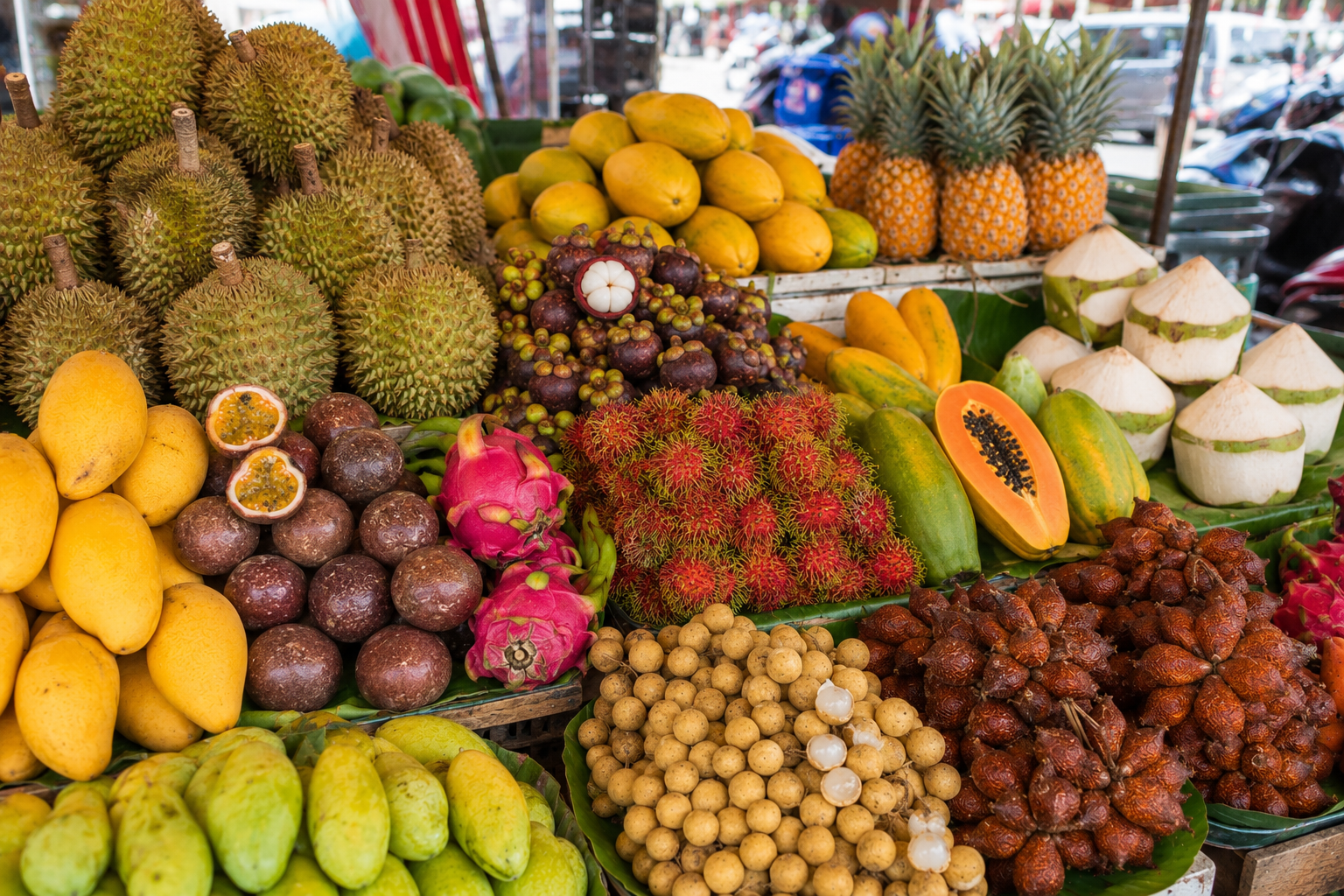
Thailand is rightly considered one of the best destinations for exotic fruit lovers. Here, dozens of types of tropical fruits can be found all year round, many of which are virtually impossible to taste truly fresh in Europe or Russia.
For many tourists, getting acquainted with Thai fruits becomes a special highlight of their vacation program. Some try the famous durian for the first time, some fall in love with the sweet mangosteen, and others discover entirely new fruits.
If you are planning a trip to Phuket or another Thai resort, this guide will help you figure out which fruits to try first.
Mango — Thailand's most popular fruit
Mango has been the main fruit for most tourists visiting Thailand for many years. Local varieties differ significantly from those sold in supermarkets in Europe and CIS countries. Ripe Thai mangoes have a rich aroma, very juicy pulp, and are practically fiber-free.
The most popular varieties are Nam Dok Mai and Mahachanok, known for their bright yellow skin and sweet taste. The mango season lasts almost all year, but the most delicious and affordable fruits appear from March to June.
When choosing a mango, pay attention to its aroma and softness. A ripe fruit will yield slightly when pressed with a finger and have a sweet, fruity smell near the stem. Fruits that are too hard are not yet ripe, while those that are too soft may be overripe.
During your vacation, be sure to try the famous Thai dessert Mango Sticky Rice — a combination of ripe mango, sweet sticky rice, and coconut sauce.

Mangosteen — the queen of Thai fruits
Mangosteen is considered one of the most delicious fruits in Southeast Asia. Under its thick purple rind lies white, juicy segments with a delicate sweet and sour taste. Many compare its aroma to a mixture of strawberry, peach, grape, and citrus.
The main mangosteen season is from May to September. This is when the fruit is sweetest and most affordable.
When buying, choose fruits with firm, deep purple skin. If the skin is too hard and dry, the fruit may be old and shriveled. The green crown should look fresh and vibrant.

Rambutan — a funny-looking fruit
Rambutan is easily recognized by its bright red skin with soft green or yellowish hairs. Despite its unusual appearance, inside hides a sweet and very juicy translucent pulp.
Rambutan tastes like grapes, lychee, and a hint of rosewater. This fruit is wonderfully refreshing in the heat and is especially popular with children.
When choosing, pay attention to the color of the skin. Fresh rambutan should be vibrant, and its hairs should be firm and not dried out. Brown tips usually indicate that the fruit has been stored for a long time after harvesting.

Durian — Thailand's most famous fruit
Durian is known as the "king of fruits." It is famous worldwide for its strong odor, which is so distinctive that it is prohibited in many hotels, shopping malls, and airports.
However, the taste of durian is completely unlike its aroma. Aficionados of this fruit find notes of vanilla cream, caramel, nuts, cream cheese, and almond in it.
Choosing durian on your own can be challenging for beginners, so it's best to buy pre-cut segments from reputable vendors. The pulp should be soft, creamy, and show no signs of drying out.

Pineapple — one of Thailand's symbols
Many tourists admit that they first tasted a truly delicious pineapple in Thailand. Thai varieties are distinguished by their special sweetness, juiciness, and practically no typical acidity.
The small Phuket Pineapples, grown in the south of the country, are particularly popular. They have a rich aroma and very tender flesh.
A ripe pineapple should smell pleasant and have a slightly yielding skin. The leaves at the top should detach easily with a gentle tug.

Papaya — a healthy fruit for digestion
Papaya grows in Thailand all year round and is widely used in both desserts and traditional cuisine. Ripe papaya has a soft, sweet orange pulp and contains a large amount of vitamins and enzymes.
Its taste is often compared to a blend of melon, pumpkin, and mango. Additionally, papaya is considered one of the most beneficial fruits for the digestive system.
When choosing, look for fruits with yellow-orange skin. Completely green papaya is usually not yet ripe.

Longan — dragon's eye
Longan got its unusual name due to its appearance. After peeling, the translucent pulp and dark seed truly resemble an eye.
The fruit has a very sweet taste with honey notes and a light aroma of grape and lychee. In Thailand, it is often sold directly on branches.
Fresh longan should have light brown skin without cracks or blemishes.

Lychee — an aromatic tropical delicacy
Lychee is known in many countries around the world, but it is freshly picked Thai fruit that truly reveals its full flavor. The juicy white flesh has a delicate aroma of rose, grape, and citrus.
It's best to choose fruits with bright red or pink skin, free from damage and dark spots.

Jackfruit — the giant fruit
Jackfruit is considered the largest tree-borne fruit. A single fruit can weigh over 30 kilograms.
Inside are sweet yellow segments with an unusual taste, reminiscent of a blend of mango, pineapple, banana, and melon. In Phuket markets, it's usually sold already peeled, as preparing such a massive fruit on your own is quite challenging.
Fresh segments should have a bright yellow color and a pleasant sweet aroma.

Dragon Fruit — Thailand's most photogenic fruit
Pitahaya, or dragon fruit, attracts attention with its bright pink skin and unusual appearance. Inside is white or red flesh with many small black seeds.
The fruit has a delicate and refreshing taste. It is most often compared to kiwi, pear, and watermelon.
Choose fruits with bright skin, free of dents and damage. A fruit that is too soft may be overripe.

Guava — a favorite fruit of locals
Guava is valued for its high vitamin C content and refreshing taste. In Thailand, it is often eaten slightly underripe, sprinkled with a mixture of salt, sugar, and spices.
Ripe guava has a pleasant aroma and yields slightly to pressure. Fruits that are too firm will be more tart and crunchy.

Coconut — the perfect drink in tropical heat
Fresh young coconut is hardly exotic, but in Thailand, it reveals itself in a whole new way. Inside is cool, sweet coconut water, which perfectly quenches thirst and helps replenish fluids in a hot climate.
After the water is drunk, the tender white flesh can be scooped out with a spoon. When buying, choose young green coconuts with a smooth surface, free of cracks and damage.

Passion Fruit — aromatic fruit with a vibrant taste
Passion fruit is considered one of the most aromatic tropical fruits in Thailand. Underneath its thick purple or yellow skin lies a juicy, jelly-like pulp with numerous edible seeds.
The taste of passion fruit combines sweet and sour notes, reminiscent of a blend of citrus, peach, and pineapple. The fruit is often used to make fresh juices, smoothies, desserts, and cocktails.
Ripe passion fruit usually has slightly wrinkled skin. Don't be put off by this appearance — these are often the sweetest and most aromatic fruits.

Salak — the famous "snake fruit"
Salak earned its second name due to its unusual brown skin, resembling snake scales. Despite its exotic appearance, the fruit is very popular among locals and tourists.
Under the skin are several light segments with a firm, crunchy pulp. The taste of salak is difficult to compare to any single fruit. Some perceive notes of apple and pear, others — pineapple and nuts.
When buying, choose fruits without cracks or damage. A good salak should be firm but not too hard.

Sapodilla — a fruit with a caramel taste
Sapodilla remains relatively unknown among tourists, although many call it one of Thailand's most delicious fruits. Outwardly, it resembles a small brown potato or kiwi.
The flesh of sapodilla is very sweet and has an unusual caramel-honey taste with subtle notes of pear and dates. Due to its high sugar content, the fruit is often a favorite among children.
Ripe sapodilla yields slightly when pressed. Hard fruits are best left to ripen for a few days.
Star Fruit (Carambola) — a star-shaped fruit
Carambola is known for its unusual shape. If cut crosswise, it forms a beautiful star, so the fruit is often used to garnish drinks and desserts.
The taste of carambola is refreshing, sweet-sour, with hints of apple, grape, and citrus. It perfectly quenches thirst and is especially popular on hot days.
For consumption, it is best to choose bright yellow fruits. Green carambola is usually more sour and less aromatic.

Rose Apple — refreshing fruit for hot weather
The rose apple, known as Chomphu in Thailand, is completely unlike familiar apples. The fruits are bell-shaped and can be pink, red, or light green.
The flesh is very juicy and crisp, and its taste is reminiscent of a blend of apple, pear, and watermelon. Due to its high water content, this fruit is wonderfully refreshing in the tropical heat.
Choose firm fruits with smooth, shiny skin, free from damage and dark spots.

Which fruits to try first
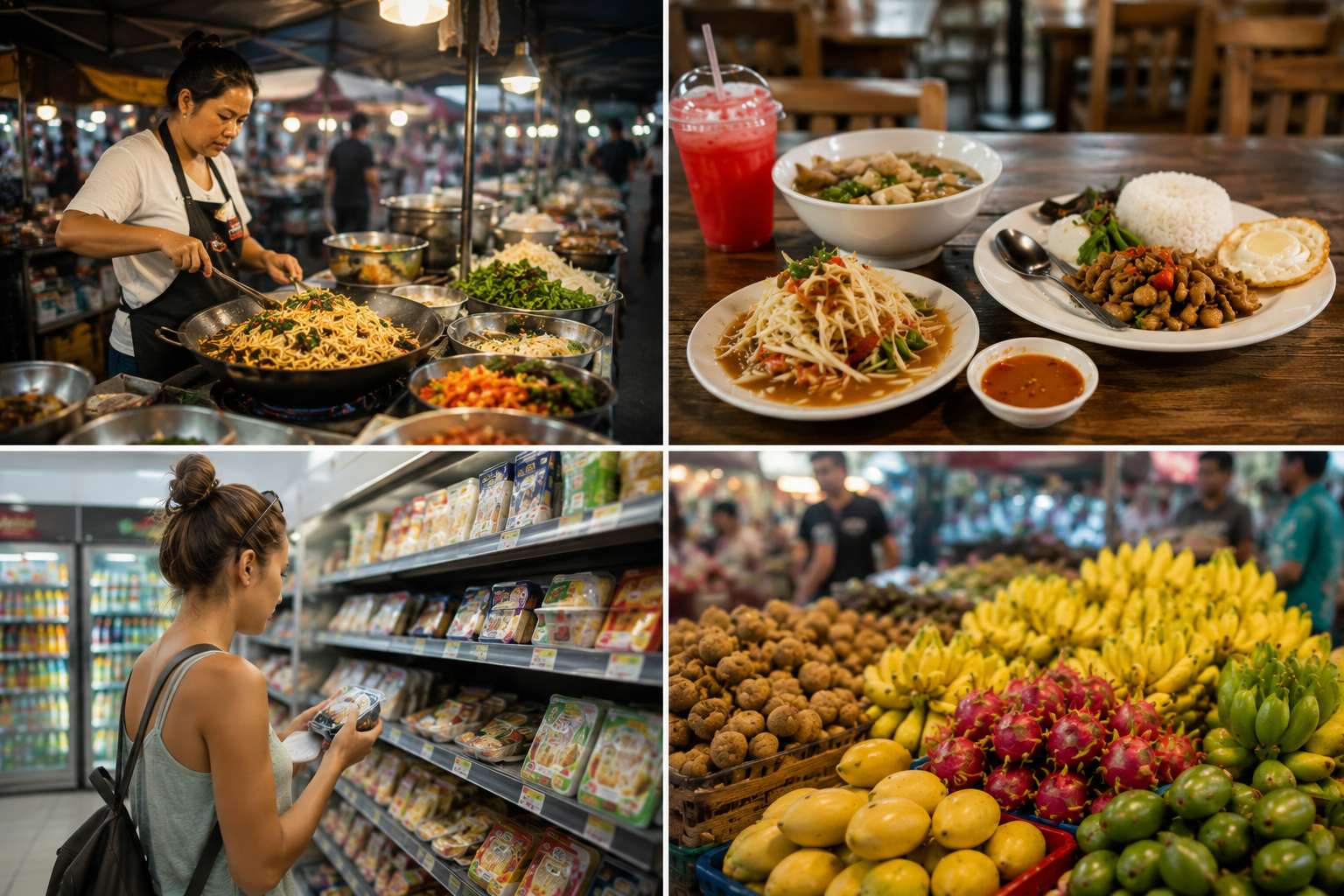
Where to buy fruit in Phuket
Best places to buy fruit:
- local markets;
- night markets;
- fruit stalls along the roads;
- supermarkets.
Prices are usually lower at markets, and the selection is much larger.

In addition, vendors often help you choose the ripest and most delicious fruits.
Fruits are one of the reasons many tourists fall in love with Thailand. Real mango, sweet mangosteen, fragrant rambutan, and the legendary durian can offer completely new gastronomic experiences.
When relaxing in Phuket, be sure to set aside time to get acquainted with the local fruits. Perhaps they will become one of the most vivid memories of your trip to Thailand.
Read also:
Article: "Thailand Fruits by Month: Which Fruits Ripen in Phuket All Year Round"
Article: "Best Excursions in Phuket in Summer 2026 — Where to Go During the Rainy Season"