






Basic laws of Thailand that every tourist should know

Thailand is a wonderful country, welcoming and diverse. The warmth and smiles of the locals can make some tourists feel like anything goes and the laws don't apply. However, the rules and regulations here are significantly different from what many travelers are accustomed to. Failure to comply with even simple rules can lead to trouble: fines, arrest, deportation, or even imprisonment. This article details the most important laws and regulations that directly affect tourists, as well as real-life examples of penalties and tips on how to avoid problems.
The Law on Insulting the Monarch (Article 112) - the Law on Lese-Majeste
Thailand has a strict law against insulting members of the royal family. It covers statements addressed to the King, Queen, heir apparent, or regent. The penalty is 3 to 15 years in prison for a single statement. For multiple publications or posts, the sentences are cumulative. Foreigners can also be subject to the law, even if the statement is made abroad.
This means that even a repost, comment, or joke on social media is grounds for prosecution. In some cases, courts have imposed decades of imprisonment. Therefore, criticism or sarcasm directed at the monarch is strictly discouraged.
In 2021, Thai activist Anchan Prilert was sentenced to 43.5 years in prison for insulting the monarchy. She was punished for publishing audio messages on Facebook and YouTube criticizing the royal family. Her original sentence of 87 years was halved after she pleaded guilty.
A Thai court has issued an arrest warrant for American accountant Paul Chambers on charges of violating this law. He has not yet been charged. But this sets a troubling precedent for those who criticize the Thai monarchy from abroad.

In Thailand, images of the King and members of the royal family are considered sacred and treated with special reverence. This rule applies not only to portraits but also to banknotes, as each one features the monarch. Tourists should remember not to tear, throw, or step on banknotes—such actions can be considered an insult to the King and can lead to serious consequences. However, if a banknote simply gets wrinkled in your jeans pocket, it's no big deal. Simply straighten it out gently and use it safely. The key is to show respect and understand the cultural significance of the symbols of the Thai monarchy.
Drugs - strict measures including the death penalty
Any activity related to the smuggling, storage, or distribution of controlled substances carries extremely severe penalties. Depending on the quantity, type of substance, and nature of the offense, the penalties range from years of imprisonment to, in particularly severe cases, the death penalty or life imprisonment. Even possession of a small amount of a substance for personal use can result in a prison term and a ban on entry.
Tourists are strictly prohibited from agreeing to carry someone else's bags, packages, or suitcases, especially across borders, even if the request seems harmless and comes from a "friend" or "acquaintance." In Thailand, laws regarding the possession and transportation of narcotics are extremely strict, and anyone found in possession of prohibited substances is held responsible, regardless of whether they knew the contents. Punishments can be extremely severe, including life imprisonment or the death penalty.
This theme is vividly portrayed in the acclaimed film "Bangkok Hilton," starring Nicole Kidman. The film tells the story of a young woman who naively agrees to carry a suitcase for a new acquaintance and ends up in a Thai prison. Based on real events, the film brilliantly demonstrates the dire consequences of a seemingly innocuous request.
On June 7, 2025, a Russian DJ (37 years old) was arrested on Koh Phangan for selling drugs to tourists through a Telegram bot.
Charly Garcia (UK, 48) – arrested March 12, 2024, in Chiang Mai for drug trafficking. Charged with possession and intent to supply. Possible sentence: life imprisonment or the death penalty.
In March 2023, Russian citizen Aleksandr Khubbeev, 36, was arrested at Phuket Airport for participating in a drug trafficking ring.
On September 1, 2021, Russian citizen Konstantin Savosin, 47, was arrested on Koh Samui with a large quantity of various drugs.
Following the big news of cannabis legalization in Thailand in 2022, many tourists were under the impression that they could now smoke weed anywhere. In fact, this is not so.
Yes, in June 2022, cannabis was removed from the list of narcotic substances, making its use for medical and industrial purposes legal. However, in 2023, authorities tightened the regulations:
-
Smoking cannabis in public places (on the street, at the beach, in a hotel, or at a bar) is prohibited and is punishable by a fine of up to 25,000 baht or arrest for up to 3 months.
-
Sale and use for "recreational" purposes is officially considered illegal.
-
Only products with a THC content of less than 0.2% may be purchased and used, and only in licensed pharmacies.
-
Exporting, importing, or shipping cannabis across borders is strictly prohibited, and offenders face imprisonment.
The Thai government has already announced it is preparing a new law that will completely ban the non-medical use of cannabis. So tourists should exercise caution: while it's legal to buy CBD oil or drinks, smoking a joint on the beach is not.

Visa overstay and illegal stay
Staying in the country without a valid visa or a "visa on arrival" stamp is also a serious violation. Those who overstay are at risk. The fine is typically around 500 baht for each day of overstay, and a fine cap may be imposed (for example, up to 20,000 baht). Repeated violations or prolonged overstays often result in deportation and a ban on entry for several years.
It's important to check your length of stay, renew your visa promptly, and not hide from immigration authorities—it's better to resolve the situation openly than to risk detention.
In August 2024, Dmitry Babaitsev (Russian and Canadian citizenship) was detained on Koh Phangan for a four-year visa overstay. He was detained and placed in a temporary detention facility. He faces a possible sentence of up to two years in prison for visa violation.
On April 26, 2016, Aleksander Der Drozhak (Ukrainian citizenship) was detained in Chonburi province for exceeding his stay in 337 days.
Dmitry Odintsov (citizenship Russia) - 41 years old, Koh Samui island, exceeded the visa period by 612 days (with an expired visa from April 24, 2022)
Behavior in public places: nudity, naked swimming, alcoholic disorderly conduct, etc.
Thailand has moral and administrative norms regarding tourist behavior. Excessive nudity (for example, toplessness in public places), drinking alcohol outside of designated areas, and aggressive behavior can all result in detention, a fine, or deportation. For example, driving topless is punishable by a fine of up to 5,000 baht.
It is especially important to show respect in non-tourist areas: do not throw noisy parties in residential areas, do not swim naked, and do not wear bathing suits to supermarkets.

In Thailand, public sex is strictly prohibited by the Law of Morality. Violations are classified as "indecent behavior" and can result in serious consequences, including a fine of up to 5,000 baht and/or imprisonment for up to one year. Police typically respond to complaints or obvious violations on tourist beaches and streets.
On August 10, 2025, in Pattaya, an Italian man named Carlo was fined 3,000 baht for indecent behavior on Laem Bali Hai beach.
In September 2025, Russian citizen Georgy Dzugkoev was arrested on charges of indecent behavior with a Thai citizen. Although the case attracted public attention, the fine remains unknown.
On April 8, 2024, British tourist Joseph William Kershaw was arrested in Phuket for exposing himself to tourists on a beach in Krabi. He was fined approximately £110 (approximately 4,700 baht) and ordered to publicly apologize.
Visiting temples and respect for religion
Temples and places of religious worship in Thailand require visitors to adhere to certain rules: covering shoulders and knees, removing shoes upon entry, and refraining from indecent behavior. Disrespecting Buddha images or attempting to remove religious artifacts poses additional risks. Violations can result in administrative penalties and even criminal charges.
Tourists should prepare in advance for their visit to temples: wear appropriate clothing, observe proper behavior, and comply with all requirements.

Responsibility for disrespect for religion
Violation of these rules may result in serious consequences:
-
Administrative fine: usually from 2,000 to 5,000 baht.
-
Criminal liability: insulting religious sites or attempting to remove artifacts can result in imprisonment for up to 3 years.
-
Deportation: Foreigners who commit serious violations may be expelled from the country with a ban on re-entry.
On November 28, 2017, Americans Travis and Joseph Dasilvaoba were arrested at Bangkok airport. They were initially charged with public nudity. They took and posted photos online of themselves with their pants down in front of a temple, their buttocks visible. They paid a 5,000 baht fine and spent a week in jail.
Use of drones
Special regulations apply to operating drones in Thailand. Flying in prohibited areas without registration or permission is punishable by a fine or imprisonment. In some cases, tourists have been detained for operating drones outside of permitted areas, with penalties of up to a year in prison and a large fine.
If you plan to take a drone with you, be sure to check restricted areas, required permits, and local regulations.

Violation of registration rules - fines of up to 100,000 baht and imprisonment for up to 5 years. Flying a drone in a prohibited area (for example, closer than 9 km to an airport or over a national park) or without registering with a radio frequency authority can result in penalties of up to one year in prison and a fine of up to 40,000 baht. If flying a drone results in negative consequences (accidents or injuries), criminal liability is also provided.
On August 7, 2025 (at the height of tensions on the Cambodian border), a 44-year-old Singaporean citizen, known as Goh, was arrested for piloting a drone over Walking Street in Pattaya. The drone was confiscated, and he paid a fine. 7. Nature conservation, animal protection, and the export of cultural property
Nature conservation, animal protection and the export of cultural property
Thailand strictly regulates the export of plants, exotic fruits, animals, and artifacts protected by law. Exporting them without the appropriate permits can result in fines, confiscation, and criminal prosecution.
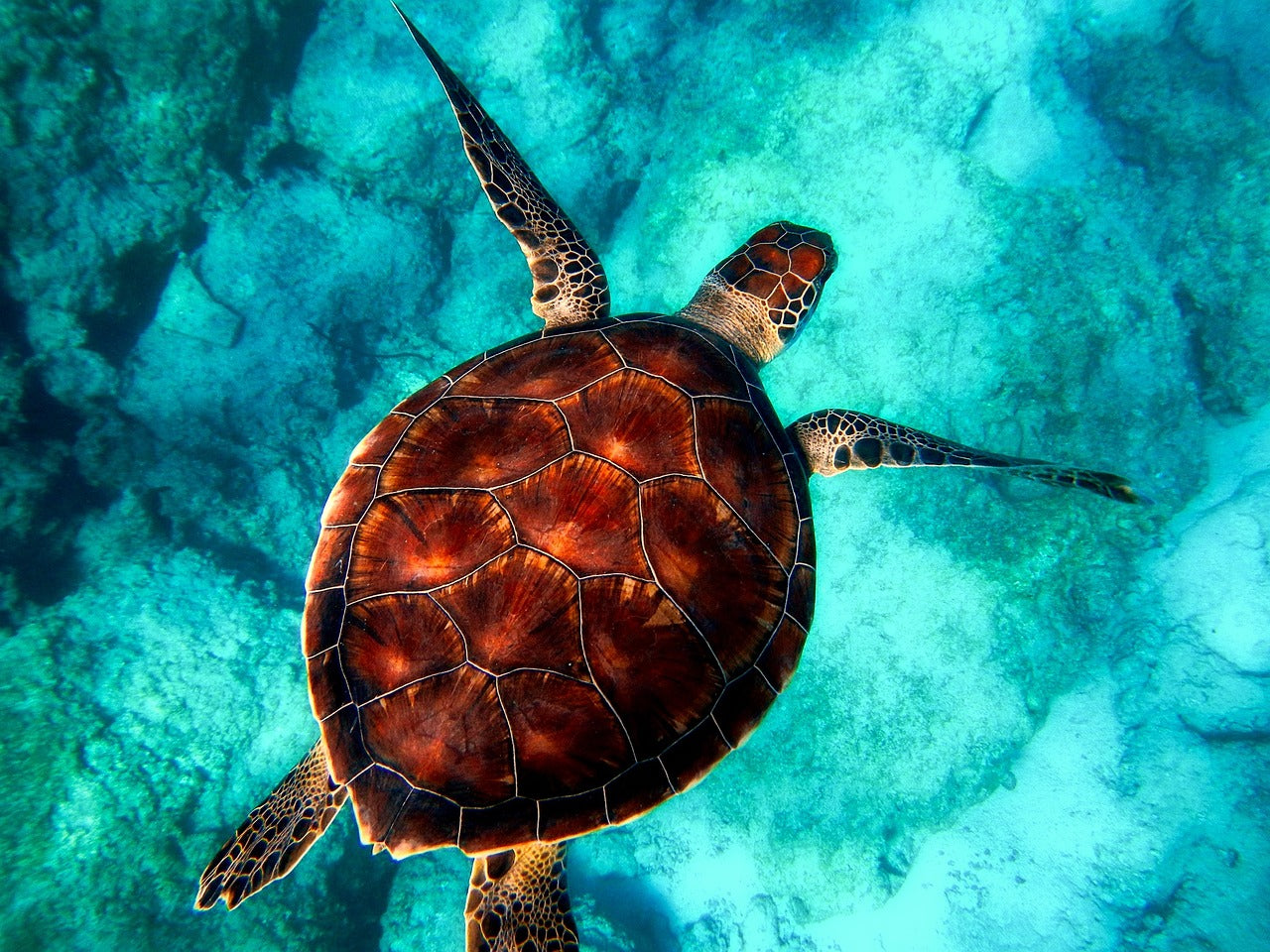
Thailand's marine national parks strictly prohibit any interference with the ecosystem: feeding fish, turtles, monkeys, birds, and other wild animals is prohibited , as is fishing, collecting coral, or touching marine creatures. This is not a formality—these rules protect the reefs and the animals' behavior, which is disrupted by human contact.
Violation of the rules of nature conservation zones is punishable by:
• fine up to 100,000 baht (≈ 2700 USD)
• or imprisonment for up to 1 year,
• or both punishments at the same time.

Alexsandr Krasilov (Russian citizen, 46) was arrested on June 15, 2024, in Phuket for stealing more than 50 pieces of coral from the sea. They were found near the Siberyak restaurant in the Rawai area.
On January 25, 2017, Chinese citizen Huang Yongjia was arrested on Koh Racha Yai for catching/transporting live marine life (parrotfish) and removing corals; the fine was 100,000 baht.
On February 20, 2017, Russian tourist Olga Smirnova, 53, was arrested after being spotted feeding bread to fish in Plab Pla Bay on Koh Racha Yai. She was charged with "feeding fish in a restricted area or in an area with coral reefs." She spent several days in custody and was released on bail. In March 2017, a Phuket court fined her 1,000 baht for the violation.
Transportation and use of electronic cigarettes, vapes and hookahs
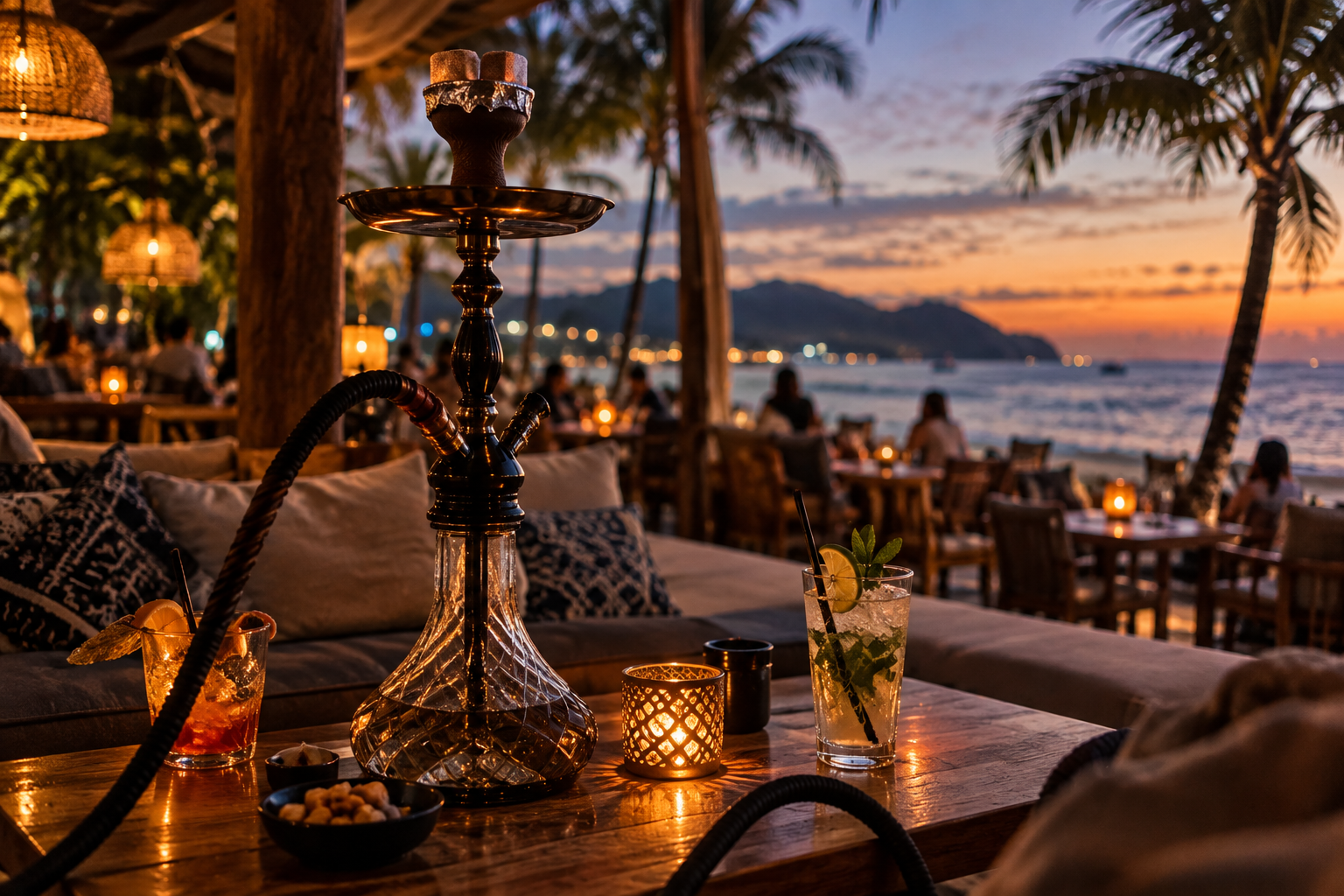
Thailand maintains strict controls on the import and use of vaping devices: e-cigarettes, vapes, hookahs, and related liquids are all regulated by law. Tourists should be aware of the following:
-
Importing electronic cigarettes, vapes, and nicotine-containing liquids without a permit is prohibited. Attempting to smuggle them across the border may result in the device being detained, confiscated, or subject to a fine.
-
Using such devices in public places can result in a fine of up to 100,000 baht and/or imprisonment for up to 10 years, especially if the device is used without labeling or contains a prohibited substance.
-
Selling or transferring vapes/liquids without a license is subject to criminal liability: fines of 500,000 baht and imprisonment for up to several years.

In January 2019, French tourist Cécilia Cornu was arrested for possessing an electronic smoking device on Karon Beach (Phuket). She was detained by police, posted 100,000 baht bail, transferred to Bangkok, and spent several days in jail. She ultimately paid a fine of 827 baht.
In January 2023, Taiwanese actress Charlene An claimed that her band and her boyfriend (identified as Chuwit Nam Sky) were stopped at a Bangkok checkpoint with an e-cigarette. They claimed to have paid 27,000 baht (~$820) before being detained. Police apologized and are investigating possible extortion.
Sofia Gaifullina, a Russian citizen, was arrested on Koh Phangan Island (Sura Thani Province) for selling 47 e-cigarettes, nine baraku smoking devices, and 60 packages of baraku tobacco. She is accused of operating without a permit and selling goods that have not cleared customs.
On March 26, 2025, Artem Lotts (Russian citizen, 24) was arrested in Phuket for possession of more than 200 smoking devices and electronic cigarettes (vapes). Charges include the importation and distribution of electronic cigarettes.
Working without proper permission
Sometimes tourists come to Thailand hoping to earn some extra money—for example, as a photographer, doing manicures, renting motorcycles or scooters, or organizing excursions. But it's important to understand: any employment without the correct visa (NON B) and work permit is a serious violation of the law.
Under Thailand's Alien Working Act (and related regulations), any foreigner working in Thailand without a valid work permit may be subject to prosecution. Fines and criminal penalties are provided. Specifically:
-
A foreigner working without a permit will be fined between 2,000 and 100,000 baht , imprisoned for up to 5 years , or both (according to the Ministry of Labor).
-
If a foreigner is permitted to work, but does not perform work in the category or profession specified in the permit, the fine will be up to 20,000 baht .
-
An employer who hires a foreigner without permission will be fined from 10,000 to 100,000 baht for each such employee.
-
Some professions are specifically prohibited for foreigners: for example, motorcycle or car drivers, cosmetologists, manicurists, taxi drivers, tour guides, etc.
That is, if you arrived as a tourist and then decided to “sit at the bar,” “do manicures,” “do photo sessions for money,” or “rent scooters/motorcycles for income,” all of this could qualify as working without a permit.

On May 4, 2023, 45-year-old Ukrainian Vitaliy Daibert was arrested on Koh Phangan for renting motorcycles without a work permit.
On October 31, 2024, a Russian citizen, Ms. Krokaleva, was arrested on Phuket Island and charged with illegally working as a tour guide. Earlier, in early April of that year, two Russians, Yuri Blazhko and Yulia Chetverik, were arrested under the same charge. We are not aware of the penalties they and their employers faced.
Real practice: who is punished and for what
It's common to encounter claims in chat rooms and social media that many laws "don't work" in practice and can be safely ignored. In reality, this is a manifestation of the so-called "survivorship bias": if one violator isn't punished, that doesn't mean others will escape responsibility. We strongly advise against risking your stay abroad and urge you to strictly adhere to local laws and social etiquette.
What to do if you find yourself in a difficult situation
If a problem arises: detention, arrest or violation of the law - proceed as follows:
- Remain calm, do not resist unnecessarily.
- Request an interpreter and a lawyer. Tourists have the right to consular assistance.
- Do not admit guilt before consulting a lawyer.
- Record the officers' details, time, place, certificates and be sure to report them to your country's embassy or consulate.
Such steps significantly increase the chances of minimizing the consequences.
Thailand is a wonderful and safe country for most tourists. However, there are important laws and regulations that should not be ignored.
Your vacation will be much more comfortable and relaxing if you familiarize yourself with these rules in advance, follow a few simple conditions, and show respect for local laws and customs.
This article is for informational purposes only. We are a travel agency and can offer you our services for organizing your vacation . excursions to islands and national parks , transport rental , as well as rental and sales services real estate . To contact a manager, click the button below and fill out the feedback form.