




Thailand Customs Regulations: What Tourists Can and Cannot Bring in and Take Out
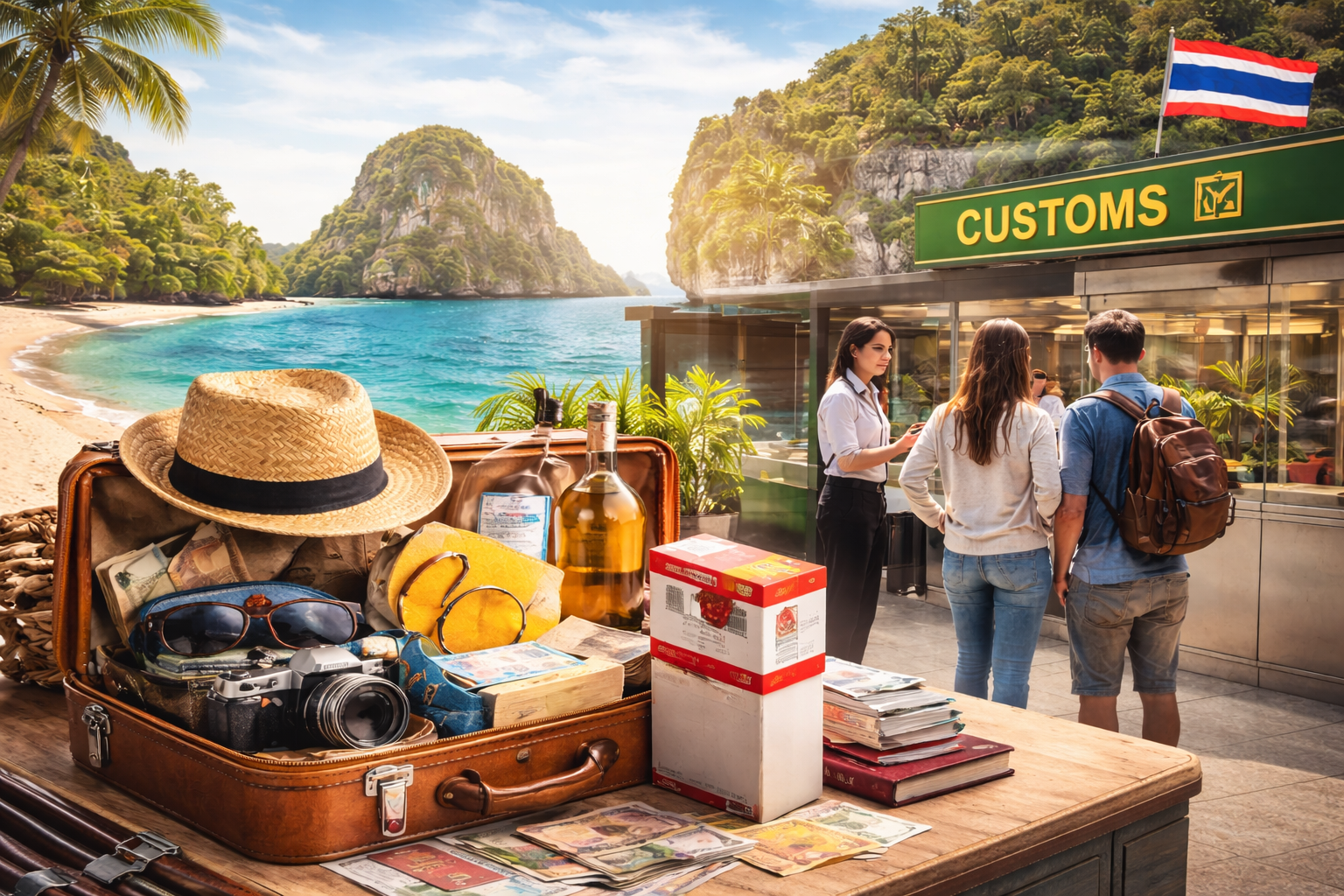
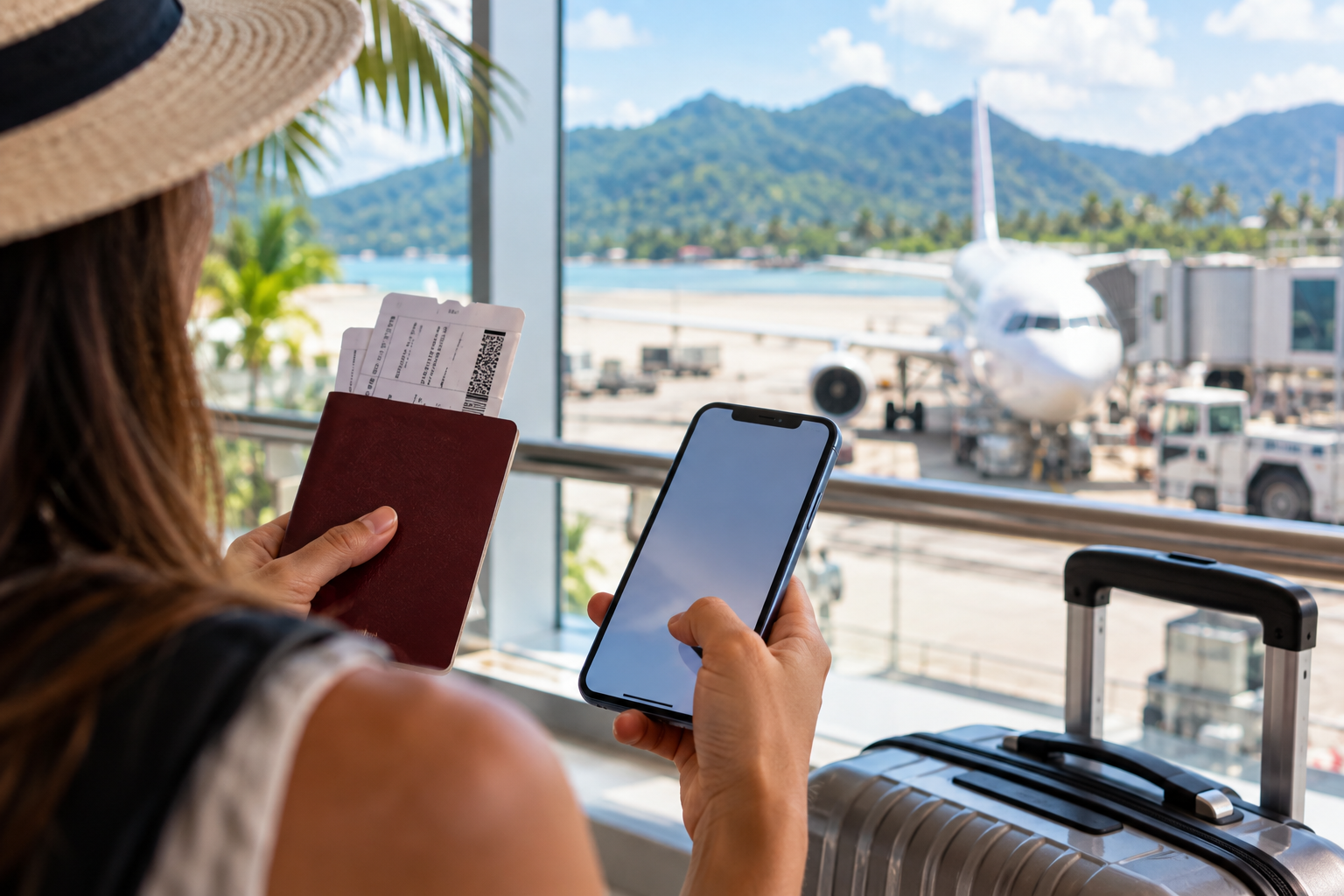
A trip to Thailand usually starts off smoothly: a passport, a ticket, a suitcase—and you're in the land of smiles. But at customs, many tourists suddenly become nervous: are they allowed to bring medications, cigarettes, a drone, or souvenirs?
To avoid a bad start to your vacation, it's best to know the basic rules in advance. Especially since customs and laws in Thailand are strict, and fines can be quite hefty.
This article will help you understand in simple terms what you can bring into Thailand, what raises questions, and what you should not even try to take with you.
How customs work in Thailand
After arriving at the airport, you go through passport control and into the customs area. There are usually two corridors:
• green - if you have no goods to declare
• red – if there is something that requires declaration (expensive equipment, large sums of money, commercial goods, etc.)
It's important to understand: the green corridor doesn't mean "bypassing inspection." It means you confirm that you don't have anything prohibited or requiring a declaration. Anyone can be randomly checked.
What can a tourist bring into Thailand?
Most tourists bring a standard set of items: clothes, cosmetics, a laptop, a phone, money, and gifts. This isn't a problem.
You can also safely import personal items, beach accessories, cameras and gadgets, as long as they look like regular luggage and are not a consignment of goods for sale.

Alcohol and cigarettes: there are limits
Things are pretty strict with alcohol and tobacco in Thailand, but the rules are clear.
Tourists are allowed to import no more than one liter of alcohol per person (of any strength). However, it should be noted that only adults over 20 years of age can bring alcohol into the country.
A maximum of 200 cigarettes (1 carton) per person over 20 years of age is allowed into Thailand duty-free. Carrying more than this—even in cartons or boxes—is considered excessive and may result in confiscation and a fine during customs inspection. Thai authorities regularly remind people: "For personal use, yes; for sale, no."
If you like to carry alcohol from Duty Free, it's best to limit yourself to the standard amount, otherwise you risk a fine or confiscation.
Money: how much can you bring in?
Unlimited cash may be imported into Thailand, but any amount exceeding US$20,000 (or equivalent in another currency) per person must be declared at customs. If a large amount is not declared, the money may be temporarily confiscated until the origin and purpose of the import are determined. In practice, tourists rarely encounter questions when bringing in reasonable amounts commensurate with the duration and type of trip, but it is always best to declare significant amounts of cash in advance.
Read also: "What currency to take to Thailand in 2026: tips and exchange information"

Medicines: The most common cause of problems at customs
This is where tourists most often get into trouble. Thailand has strict drug controls, especially:
• with strong painkillers
• with codeine
• with psychotropic components
• with sedatives
Even if a drug is sold without any problems in Russia, it may be considered a controlled substance in Thailand.
The main rule is simple: if you are carrying prescription drugs or something strong, it is better to have a doctor's prescription (preferably in English) or at least a certificate.
Common medications such as paracetamol, ibuprofen, patches, vitamins and cold remedies are usually safe to take in small quantities.
But if you're flying with a whole pharmacy in your suitcase, customs might be interested.
Read also the article: "Medicines in Thailand: How to Find Pharmacies and Alternative Medicines."

Electronics and technology: possible, but don't overdo it
A phone, laptop, camera, tablet—all of these are considered personal items and can be imported without any problem.
Problems arise when a tourist brings several identical devices in packages, for example, three iPhones, four tablets, and two laptops "as gifts." In this case, customs officers may consider these items to be for sale.
If you are carrying an expensive camera or lenses, it is better to have the equipment unpacked and look like your own.
Drones in Thailand: You Can Fly, But There Are Important Considerations
You can import a drone into Thailand, but then comes something that many people forget.
The country has registration rules and flight restrictions. In some places (especially near airports, military zones, temples, and popular beaches), flights are prohibited or require permission.
So, bringing a drone isn't a problem—the problem starts when a tourist launches it "just for a nice video" without checking the rules.
Read also the article: "Basic Laws of Thailand That Every Tourist Should Know."
Import of electronic cigarettes (IQOS, Vape), hookahs and their components into Thailand
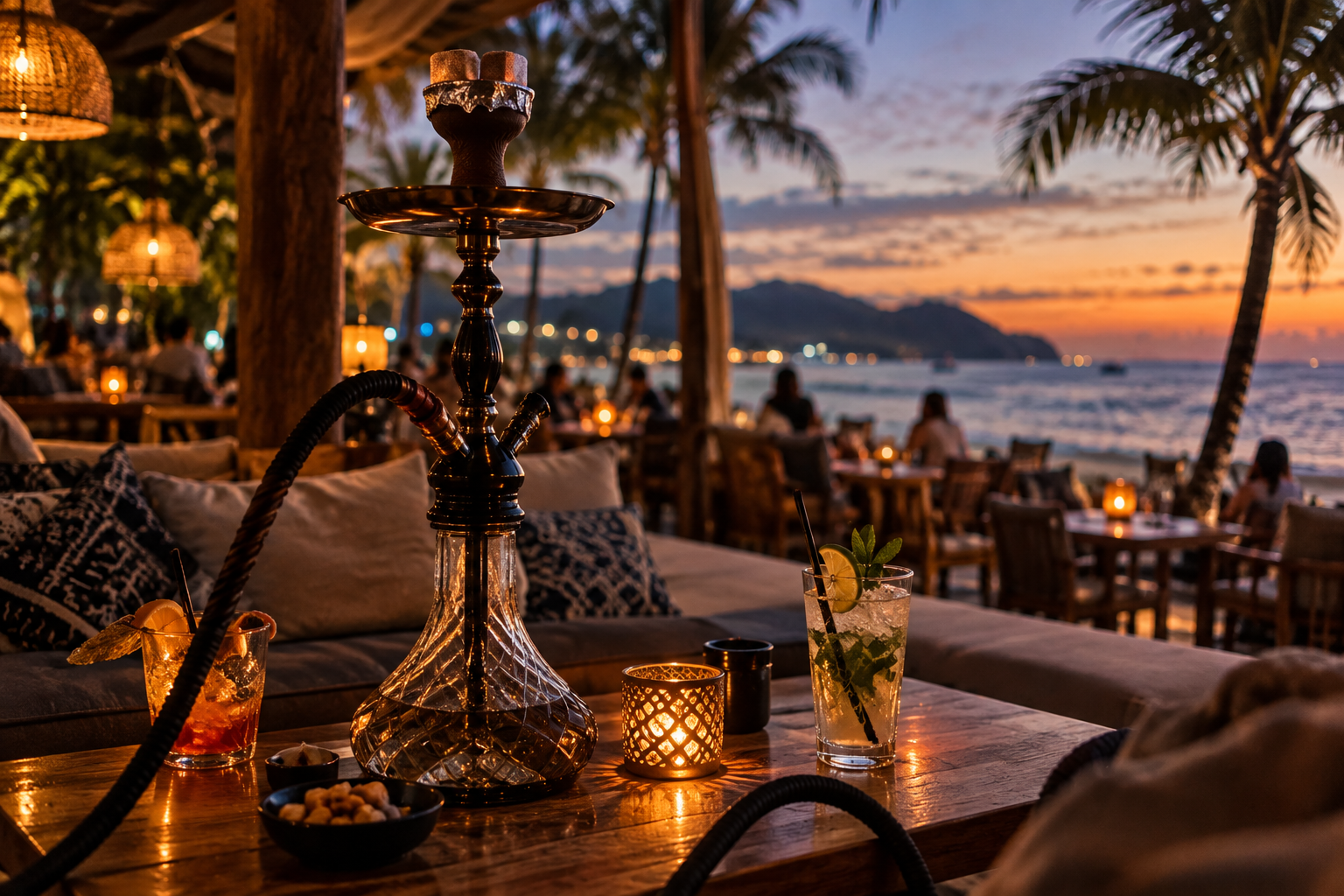
Thailand has some of the strictest regulations regarding the import of IQOS, e-cigarettes, vapes, and hookahs. The import, storage, and use of e-cigarettes and heated-tobacco devices are officially prohibited. This applies to both the devices themselves (IQOS, vapes, pod systems), as well as the components and liquids. The ban applies regardless of the quantity or purpose of import—even one device for personal use is formally considered a violation.
Hookahs and related items are also prohibited. Hookahs, tobacco, blends, and accessories are prohibited from being imported. In practice, such items are regularly confiscated at customs, and in some cases, fines are possible. Therefore, bringing IQOS, vapes, and hookahs into Thailand cannot be considered a "gray area"—they are strictly prohibited, and the risk of problems during inspection is quite high.
What is absolutely forbidden to import into Thailand?
There are things that are better not even to experiment with.
The most obvious is drugs , even in minimal quantities. Thailand takes this extremely seriously, and the penalties can be severe. If you've been prescribed medications containing narcotics, you must have supporting documentation (the doctor's prescription must be translated into English).
Weapon-related items are also prohibited: firearms, ammunition, explosives, and stun guns. Sometimes, weapons-like items may also be prohibited.
If you're carrying unusual knives, camping machetes, or tactical gear, it's best to consider beforehand whether it's worth it. They could be confiscated at customs.
Is it possible to import sausages, kazy, caviar, and other meat and fish products into Thailand?
The import of animal products into Thailand is strictly regulated. Meat, sausages, ham, smoked meats, caviar, fish, and other similar products are officially considered goods subject to increased sanitary control. Importing them requires a veterinary certificate from the country of origin confirming the safety of the products. Without such a document, customs officials have the right to confiscate the products during inspection.
In practice, tourists sometimes bring small quantities of food for personal consumption, and this doesn't always raise questions, especially if it's vacuum-packed and of a reasonable size. However, even small quantities of meat and sausage are technically at risk, and the decision to allow entry always rests with the customs inspector. Therefore, importing such products cannot be considered guaranteed, and travelers should be prepared for confiscation without compensation.

What you can't export from Thailand
Tourists usually only think about "what you can't bring in," but there are also problems when leaving.
Buddha and religious objects
Buddha images in Thailand are protected by the state. Only small modern souvenirs purchased in tourist shops are permitted to be exported without a permit. Large statues, antiques, and any Buddha images older than approximately 100 years are prohibited from export without special permission from the Department of Fine Arts of Thailand. When purchasing religious items from antique shops or markets, be sure to check whether an official export document is available; without one, the item may be confiscated at customs.
Travel agencies often advise against exporting large Buddha statues. However, the "no statues taller than 15 cm" rule currently doesn't exist in Thai law—it's a common myth.
In practice, it is not the size that is important, but the nature of the object:
If it's a modern souvenir from a tourist shop, it's usually exported without any problems, even if it's larger than 15 cm.
If the statue appears old, antique, religious, or of museum value, then permission from the Department of Fine Arts of Thailand is required for export, regardless of its height.
This is why customs officers look not at centimeters, but at the appearance, material, and origin of the item.
Corals, shells and marine finds
Tourists love to collect shells and beautiful corals on the beach, but it's important to remember that Thailand has environmental protection laws.
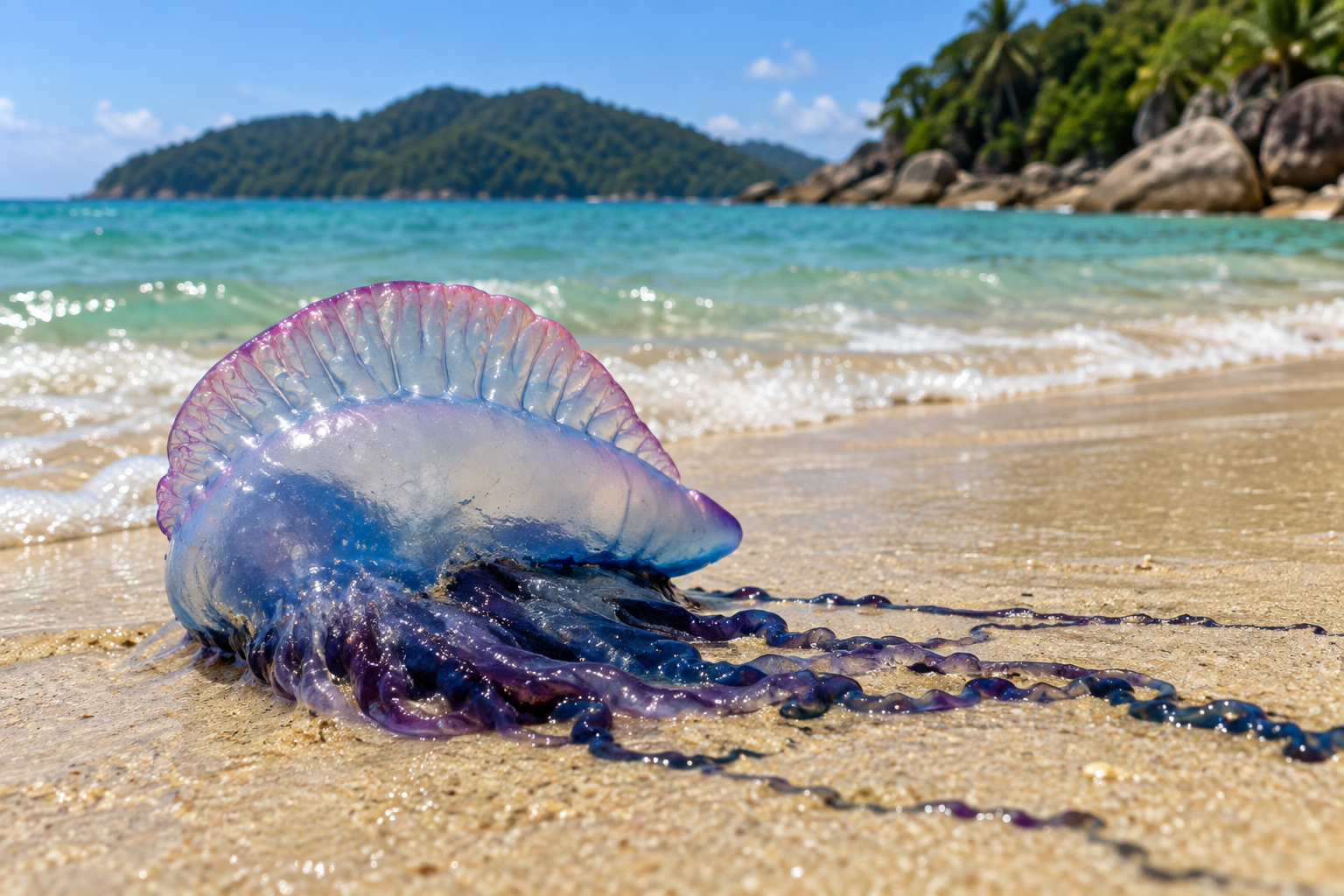
Corals, starfish, shells and some types of shells may be prohibited from export, especially if they appear to be "seafood".
If you really want a souvenir from the ocean, it's better to buy a legitimate one in a store rather than bring something you found on the beach. Don't forget to ask for a receipt to prove your purchase.
Antiques and art objects
Thailand protects cultural property. Antiques, paintings, art objects, and antiques may require special permits.
So the rule is simple: anything that looks old, valuable, or culturally significant is best purchased from official places that issue documents.

How much alcohol can you take out of Thailand?
Exporting alcohol from Thailand usually doesn't pose any problems with Thai customs, but it's important to remember that the country you're flying to (e.g., Russia, Kazakhstan, Europe, etc.) may have restrictions.
That is, Thailand can “release”, and your country can restrict import.

What souvenirs are safe to take home?
Most tourists can easily take out:
- Thai cosmetics and medicines (balms, traditional preparations, dietary supplements)
- oils (coconut, aromatic)
- teas (herbal teas and infusions)
- spices and sets for cooking Thai dishes
- bags and clothes
- souvenir magnets and figurines
-
latex products.
Problems arise rarely - usually only if the goods appear to be commercial or are of natural or cultural value.
What most often raises questions at customs?
There are several "favorite" categories for which tourists are most often checked: over-the-counter medications, large amounts of cash, multiple identical gadgets in packages, unusual items (knives, tactical gear), as well as corals and marine finds.
Therefore, if you have anything from this list in your luggage, it is better to prepare in advance.
Helpful advice: how to avoid problems at customs
If you're carrying medications, it's best to keep them in their original packaging. If you have a prescription, that's great—it almost always resolves any issues.
Avoid bringing too many identical items (for example, 10 identical creams or 6 phones). Even if you bought them "for friends," it could be considered a trade at customs.
And most importantly: don't take corals, starfish, or anything that looks like natural finds with you. This is taken very seriously in Thailand.
Thailand is a tourist destination, and most travelers pass through customs without any problems. However, it's important to remember that the rules are strict, especially regarding medications, narcotics, natural sites, and cultural treasures.
If you're planning to bring something unusual, it's best to check the rules in advance or simply play it safe. This way, your vacation will start off smoothly and end with pleasant souvenirs, not unexpected fines.
This article is for informational purposes only. We are a travel agency and can offer you our services for organizing your vacation . excursions to islands and national parks , transport rental , as well as rental and sales services real estate . To contact a manager, click the button below and fill out the feedback form.
Read also: " Phuket Excursions in High Season 2026: Recommendations from February to May 15"