






Travel Medical Insurance in Thailand: Which to Choose and What it Covers
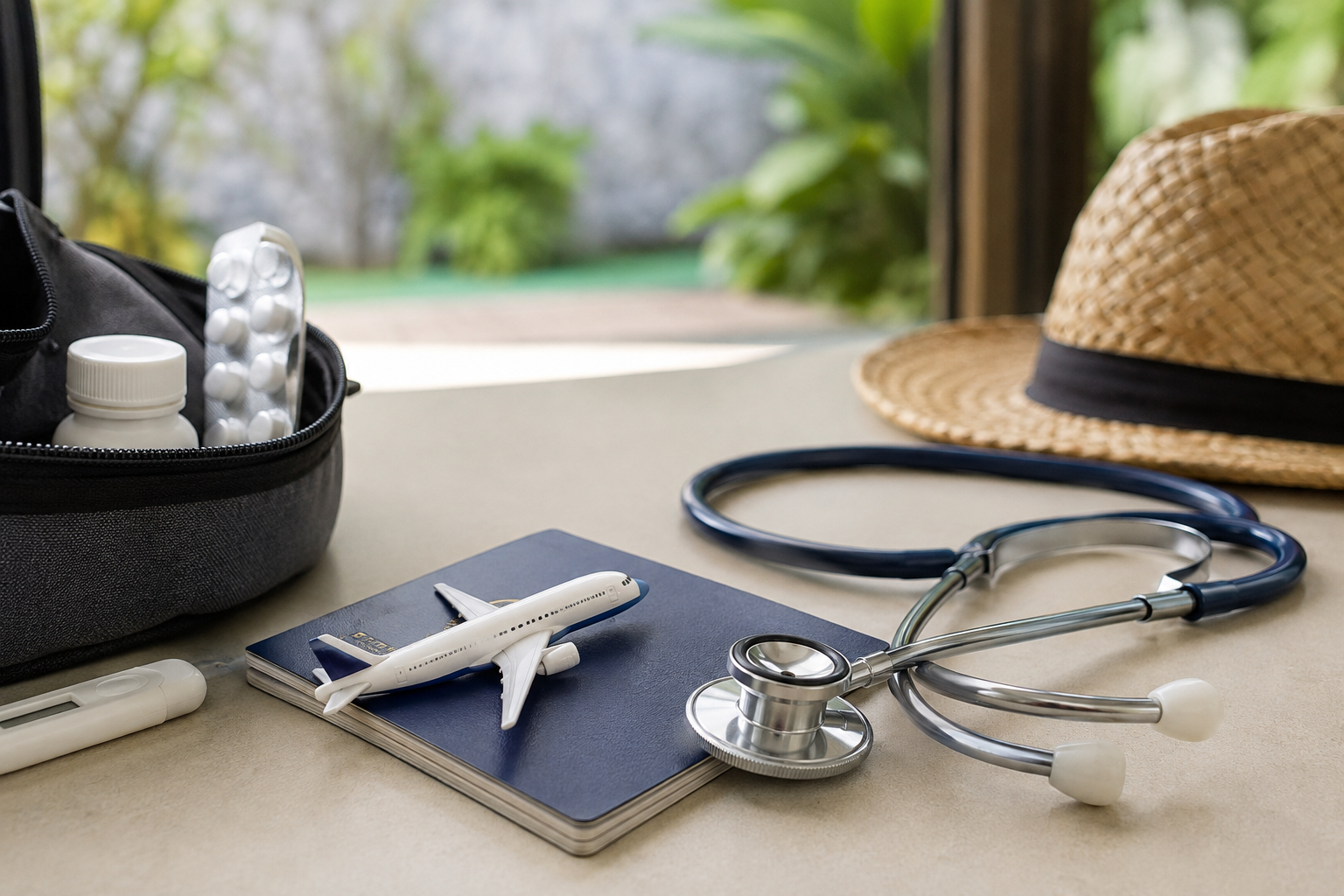
Thailand is considered a popular destination for beach holidays, but even a regular trip to the sea doesn't rule out unexpected health problems. Colds, food poisoning, injuries, burns, infections, or the need to see a doctor can arise even during a short vacation.
Moreover, medical care in Thailand is not free for foreigners. Treatment can be particularly expensive in private hospitals, which tourists often choose. Therefore, travel medical insurance for a trip to Thailand is not a formality, but a way to protect yourself from large unforeseen expenses.
Is insurance required for entry into Thailand?
For a typical tourist trip, insurance itself is not a mandatory condition for visa-free entry.
However, the absence of a requirement from border control does not mean that insurance is not needed. The tourist is solely responsible for medical expenses if something happens to them during the trip.
Certain visa categories have their own medical insurance requirements. For example, the Non-Immigrant O-A visa in Thailand requires mandatory medical coverage up to a specified amount.
Therefore, tourists entering under the regular visa-free scheme do not need to purchase a policy solely for border crossing. It is primarily purchased for financial protection during the trip.
Why is medical insurance particularly important in Thailand?
Many tourists mistakenly believe that seeing a doctor in Thailand will be inexpensive. In reality, the cost depends on the clinic, specialist, tests, examinations, and the need for hospitalization.
In private hospitals, treatment for foreigners can be significantly more expensive than a regular visit to a small clinic. In case of hospitalization, the hospital may require a deposit or a guarantee of payment from the insurance company. The British government also recommends that travelers have adequate medical insurance coverage, as medical facilities in Thailand may require a guarantee of payment.
For example, Bangkok Hospital Phuket works with insurance companies through a Guarantee of Payment system — the insurer confirms to the hospital that it will cover the agreed treatment costs.
This is precisely why a good policy is not just an opportunity to get reimbursed for a doctor's visit later. Ideally, the insurance company and its assistance service will arrange the visit to the clinic and directly agree on payment with the medical facility.

Where to buy medical insurance for Thailand
For Russian citizens, the most convenient way is to arrange travel insurance before the trip, comparing available options by cost, coverage amount, and contract terms in advance. This allows for a calm selection of a suitable policy before departure. To compare options and choose insurance for a trip to Thailand, you can use the travel medical insurance service — here you can easily view offers from different insurance companies and choose the appropriate option.
If you are traveling to Thailand from outside of Russia, you can purchase travel insurance through an insurance company in your home country or an international service that offers policies for trips to Thailand. Before purchasing, make sure the policy is valid throughout Thailand and covers the entire duration of your stay.
However, you should not focus solely on the minimum policy cost. Even insurance policies for the same period can vary significantly in terms of coverage amount, list of exclusions, and conditions for organizing medical care. Therefore, before purchasing, carefully review the terms of the chosen program.
What coverage amount to choose?
For a trip to Thailand, I would not recommend choosing a policy based solely on the principle of "just having one." The higher the medical coverage, the better protected the tourist is in case of serious illness or injury.
For a typical beach holiday, it is reasonable to consider policies with coverage from $50,000 and above, and if there is a small price difference, a higher limit can be chosen.
This is especially relevant for families with children, elderly travelers, and people planning active recreation.
However, the coverage amount itself is far from the only criterion. A policy with a large sum and many exclusions may be less useful than a simpler contract with good medical care conditions.
What should Thailand insurance cover?
A good travel policy should cover more than just a doctor's visit for a cold. It's important to look at exactly what medical expenses are included in the contract.
Typically, tourists need coverage for outpatient treatment, diagnostics, tests, doctor-prescribed medications, emergency care, and hospitalization.
If the condition requires surgery or long-term treatment, the limit on medical expenses becomes particularly important.
It is also worth checking whether medical evacuation and repatriation are provided. This is especially important for serious injuries or illnesses where treatment in Thailand is impossible or it is necessary to arrange the patient's return home.
Accident insurance
It is worth paying special attention to accident insurance. For a beach holiday in Phuket, this is relevant, as tourists engage in snorkeling, ride motorbikes, and travel extensively on their own.
However, medical expenses and insurance payout for an accident are not the same thing. You need to carefully check what events fall under each type of coverage.
Insurance for motorbike trips and active sports
If you plan to rent a scooter or motorcycle in Phuket, be sure to indicate this when purchasing medical insurance. A standard travel policy does not always cover driving two-wheeled vehicles, and a standard insurance policy purchased without considering this risk may be practically useless after an accident.
It is especially important to consider the amount of medical coverage. The standard coverage for a rental motorbike may be a maximum of only 30,000 baht, while a serious injury after a fall can require examinations, surgery, and hospitalization for a significantly larger amount. In severe cases, medical bills can reach hundreds of thousands or even millions of baht.
When purchasing a policy on some services, you can immediately indicate that you plan to drive a moped or motorcycle. After this, the system will show available insurance options considering this risk. If you plan to ride a motorbike during your vacation, be sure to indicate this when calculating your insurance and carefully check the terms of the chosen program.
Also pay attention to driver requirements: having a valid driver's license, wearing a helmet, and observing traffic rules. Even if motorbike driving is included in the insurance, violating the terms of the contract can be grounds for denying a payout.
Do not skimp on this option. If you plan to travel around Thailand by motorbike, it is better to immediately choose insurance with full medical coverage for motorcycle driving, rather than finding out after an accident that your existing policy covers only a small portion of the costs.
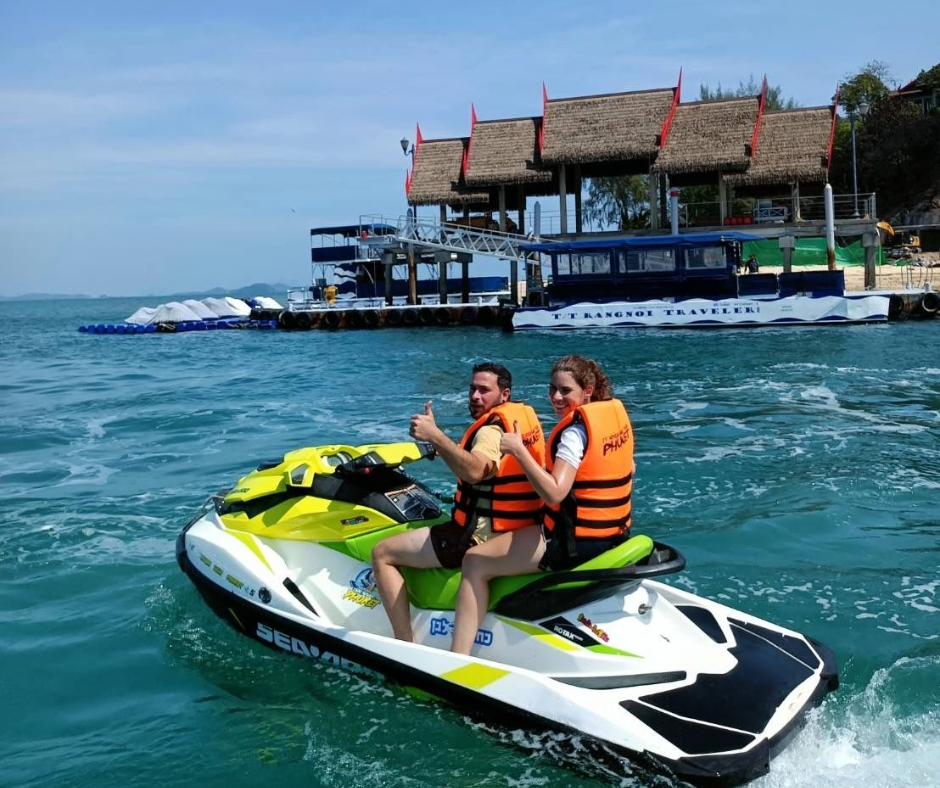
A regular beach holiday and extreme sports are different insurance risks. If snorkeling, rafting, kitesurfing, jet skiing, mountaineering, or other active entertainment is planned during the trip, you need to check if they are included in the chosen program.

What about insurance for food poisoning?
Food poisoning and intestinal infections are common reasons why tourists seek medical attention during their vacation in Thailand. If a tourist falls ill and seeks medical help, the expenses may be covered by the insurance policy, provided its terms are met.
But it's crucial to contact the assistance service, rather than choosing an expensive clinic independently and expecting the insurance company to automatically reimburse all expenses.
What to do in case of hospitalization
If your condition requires hospitalization, be sure to inform the medical facility about your insurance and provide your passport and policy details.
The hospital may contact the insurance company and request a Guarantee of Payment—confirmation that the insurer agrees to pay for the treatment.
Bangkok Hospital Phuket explicitly states that for a guarantee of payment to be issued, the hospital needs insurance documents, a passport, a medical report, and a preliminary estimate of treatment costs.
If the insurance company does not have a direct agreement with a specific hospital, a pay and claim scheme may be used: the tourist first pays for the treatment themselves and then submits documents for reimbursement. Thai hospitals also describe such situations.
Therefore, before your trip, it is advisable to save the assistance service's phone number, policy number, and instructions for seeking help on your phone.
Cashless or pay first?
These are fundamentally different options.
With cashless service, the insurance company coordinates treatment directly with the clinic or hospital. The tourist does not have to pay the full amount themselves, although deductibles, co-payments, or expenses not covered by the policy may remain their responsibility.
Under the pay and claim scheme, the tourist pays for treatment themselves, obtains the documents, and then submits them to the insurance company for reimbursement.
For example, Bangkok Hospital Phuket warns that some international insurers do not provide a Guarantee of Payment for outpatient visits, and in such cases, the patient may need to pay for treatment themselves first.
Therefore, when choosing insurance, it is worth looking not only at the list of medical risks but also at the method of payment organization.
What is an assistance service?
An assistance service is a company that organizes help for tourists abroad. This is usually the number to call in an emergency, as listed in your insurance policy.
The assistance service can help find a medical facility, coordinate treatment with the insurance company, provide a guarantee of payment to the hospital, and assist with organizational matters.
However, the insurance company and the assistance service are not necessarily the same organization. Therefore, when purchasing a policy, it is useful to check who will be taking your call in an emergency and what languages are available for support.
For Russian tourists, having Russian-speaking assistance can be a significant advantage.
What insurance usually doesn't cover
The biggest mistake when buying a policy is only reading the list of what it covers and not looking at the exclusions.
The insurance company may refuse to pay if the illness or situation falls under the contract's exclusions. Common restrictions include chronic diseases, treatment of conditions existing prior to the trip, alcohol or drug intoxication, certain sports, and other circumstances.
Specific exclusions always depend on the terms of the chosen program, so there is no universal list for all insurance policies. Read your insurance contract to know all the terms of reimbursement for medical care.
Does insurance cover chronic diseases?
Having a chronic illness does not automatically mean that a tourist cannot purchase insurance.
However, a standard policy may not cover treatment for a condition that existed prior to the trip, or it may only cover an emergency exacerbation of the condition within certain limits. If you regularly take medication or see a doctor, it's best to check the relevant clause in the contract beforehand.
Do not conceal information that the insurance company requests when applying. In the event of an insurance claim, inconsistencies in the data may lead to problems with payment.
Insurance and pregnancy
For pregnant tourists, insurance terms usually differ from standard programs.
Restrictions may apply to the term of pregnancy, the list of medical expenses, and the reasons for seeking help. Normal pregnancy management and emergency medical assistance are also not necessarily the same insured event.
If a trip is planned during pregnancy, it is necessary to choose a program taking into account the specific term and carefully read the terms.
Insurance for children
When traveling with a child, medical insurance is especially important. Children more often visit doctors due to fever, infections, injuries, and other sudden conditions.
Each traveler, including a child, must have an appropriate insurance policy, unless the terms of the chosen program provide otherwise.
When choosing family insurance, pay attention to age restrictions and conditions for medical care for children.

Is insurance needed for animal bites?
For Thailand, this is also a relevant question.
If a tourist is bitten or scratched by a dog, monkey, or other animal, urgent medical attention and rabies prevention may be required. Not all insurance programs cover such cases equally, so it is advisable to check the relevant conditions in advance.
In case of a bite or severe scratch, do not wait several days hoping that it will heal on its own. The need for medical attention is determined by a doctor.
Does insurance cover dental work?
Standard travel insurance usually isn't designed for comprehensive dental treatment.
Some programs offer limited assistance for acute toothaches or emergencies, but routine treatment, crown placement, implants, and other procedures are usually in a separate category.
If dental care is important to you, check the limit and specific list of services before purchasing a policy.
Deductible: what it is
A deductible is the amount a tourist pays out-of-pocket when an insured event occurs.
For example, if the contract includes a $50 deductible, part of the expenses for a covered claim may remain with the tourist.
A policy with a deductible sometimes costs less, but for a typical tourist trip, it doesn't always make sense to save money this way, especially if the policy cost difference is small.
How many days should I get insurance for?
Insurance should be purchased for the entire duration of your trip.
If you plan to spend 14 days in Thailand, the policy should cover this entire period. If the trip includes several countries, you need to check the territorial validity of the contract.
For long trips, it's especially important to ensure that the policy truly covers the entire duration of your stay, not just the first few weeks.
What to do before buying insurance
Before paying for the policy, carefully check the country of validity, dates, amount of medical coverage, the presence of a deductible, and the list of exclusions.
Also, separately review the terms for motorcycles, active sports, chronic diseases, pregnancy, dentistry, and alcohol intoxication – these are often the points that lead to unpleasant surprises.
Also, save the assistance service number and an electronic copy of the policy on your phone in advance.
Where to compare insurance for a trip to Thailand
If you are traveling from Russia, you can conveniently compare several options before purchasing and choose a program with suitable conditions.
We recommend comparing not only the cost of the policy but also the coverage amount, deductible, assistance service quality, possibility of direct payment for treatment, and exclusions from the contract.
What to do in case of an insured event
If the situation is not an emergency, first contact the assistance service at the number specified in your policy. Provide your contract number, your location, and describe the problem.
They will advise you on which clinic to contact and what documents you will need.
If you are already at the hospital, immediately inform the staff that you have medical insurance. Provide your passport and insurance policy.
If you pay for treatment yourself, keep the original invoices, receipts, medical reports, test results, and doctor's prescriptions. These may be needed for subsequent reimbursement.
What medical documents to bring with you
Before traveling, it's useful to have electronic copies of your insurance policy, passport, and important medical documents.
If you take medication regularly, it's advisable to bring it in its original packaging and have a doctor's prescription. Thai regulations regarding some medications may differ from Russian ones, so some drugs require prior checking of requirements.
Can a guide cancel your insurance if you bought an excursion from a non-tour operator?
No. If medical insurance has already been arranged for the entire period of the trip, the hotel guide or tour operator's representative cannot cancel its validity simply because you purchased an excursion from another company. The insurance policy is valid according to the terms of the contract and the dates specified therein, not depending on whom the tourist buys excursions from.
Therefore, statements like “if you take an excursion not from us, your insurance will cease to be valid” do not correspond to the principle of travel insurance. Exceptions can only be related to the terms of the insurance contract itself – for example, certain types of activities or violation of policy requirements.
At the same time, with our company, all clients are additionally insured for the duration of the excursion purchased from us.
Medical insurance for tourists in Thailand: is it worth buying?
Even if medical insurance is not required for a regular tourist entry into Thailand, it's not worth saving money on it. The cost of a policy for a few days or weeks is incomparable to the potential expenses for hospitalization, surgery, or serious examinations.
Many tourists already have insurance included in their tour package; however, it's important to understand that this is usually a standard basic program with minimal coverage. It may protect against basic medical risks but have a small sum insured and significant limitations for specific situations. Therefore, we recommend not relying solely on such insurance, but rather obtaining an extended policy with higher coverage, especially if the trip is long or you plan active recreation.
When choosing extended insurance, carefully check the conditions related to motorcycle riding, active recreation, chronic diseases, deductibles, hospitalization, and the payment procedure for medical assistance. A good policy is not the one that costs the least, but the one whose conditions truly match your vacation in Thailand.

Read also:
Excursions in Phuket in summer 2026: where to go in June, July, and August
Best excursions in Phuket in autumn 2026: where to go in September, October, and November